
I remember the moment vividly. I was working late into the night, trying to assess a stubborn wound that just wouldn’t seem to heal. Despite my best efforts, I kept second-guessing whether the skin was too dry or perhaps too moist. That uncertainty was a lightbulb moment for me—an eye-opener that it’s time to embrace better tools for wound assessment. Have you ever felt that frustrating doubt when gauging wound conditions? If so, you’re not alone. Many healthcare professionals struggle with accurately determining skin moisture levels, which can directly impact healing outcomes. That’s precisely where digital skin moisture meters come into play, revolutionizing wound care as we know it.
Why is precise moisture measurement so crucial? Because skin hydration directly influences healing speed and infection risk. Just a small misjudgment can lead to complications, prolonged treatments, or even the need for additional interventions. Early in my career, I made the mistake of relying solely on visual cues and touch—methods that are subjective and often misleading. It wasn’t until I started using digital moisture meters that I saw a real difference in patient outcomes. These devices provide objective, reliable data that guides better decision-making. Imagine the confidence you’d gain knowing exactly when to adjust dressings or moisture levels.
In this post, I’ll help you understand how digital skin moisture meters work, what to look for when choosing one, and how they can transform your wound care practices. Let’s cut through the guesswork together and elevate the quality of care you provide.
Knowing Your Wounds: The First Step to Better Healing
Understanding the state of a wound’s moisture is like having a backstage pass to healing. It allows clinicians to tailor treatments precisely, avoiding the pitfalls of over- or under-hydration. For instance, excessively dry skin can hinder new tissue formation, while overly moist environments promote bacterial growth. Balancing this delicate gauge is challenging—unless you have the right tools in hand. Digital skin moisture meters make this balancing act straightforward, offering quick and non-invasive readings that inform your next move. Would you like to learn how to pick the best device for your needs? Stay tuned, because we’ll dive into the essentials of device selection and application.
Prepare Your Equipment Carefully
Before assessing a wound, gather your digital skin moisture meter and ensure it’s properly calibrated according to the manufacturer’s instructions. Think of this step like tuning a musical instrument—precision here sets the tone for accurate readings. Once calibrated, familiarize yourself with the device’s operation, including button functions and display readings, to prevent any confusion during actual assessment. I remember the first time I used a moisture meter; I accidentally forgot to turn on the device, leading to a misleading low reading. After that, I always double-check my equipment before each use to maintain accuracy.
Select the Proper Testing Site
Identify the wound edges and surrounding skin, avoiding areas with necrosis or excessive exudate that could skew moisture readings. Think of this like choosing a stable spot on a riverbank before measuring water levels—accuracy depends on a consistent and representative point. Clean the area gently with sterile saline or an alcohol wipe to remove any debris or ointments that might interfere with the device’s sensors. When I tested on a wound with heavy exudate, I initially thought the moisture was high, but a quick wipe revealed a drier underlying skin—highlighting the importance of proper site preparation.
Apply the Moisture Meter Correctly
Place the sensor tip gently flat against the skin surface, ensuring good contact without pressing too hard, which could compress tissues and alter readings. Imagine pressing a thermometer on your forehead—gentle contact yields the most reliable temperature. Hold the device steadily for a few seconds until the reading stabilizes. In my experience, inconsistent pressure or movement causes fluctuations, so a steady hand is essential—using a wrist strap or resting your hand can help maintain precision.
Interpret the Results Accurately
Compare your readings to established moisture level ranges—typically, 20-40% indicates optimal hydration for wound healing. Values outside this range suggest the need to adjust dressing strategies. Remember, a single measurement might not provide the full picture; take multiple readings at different points around the wound for a comprehensive assessment. Once, I misinterpreted a high reading as too much moisture, but repeated tests revealed localized dryness, which led me to modify the dressing to maintain balance. This step underscores the importance of understanding what the device tells you in context.
Document and Plan Your Next Steps
Record your readings diligently in the patient’s chart, noting the testing site and environmental conditions since temperature and humidity can influence results. Use this data to decide whether to change dressings, adjust moisture levels, or perform further assessments. For example, I once tracked moisture levels over several days and noticed a gradual decrease, prompting me to hydrate the wound area appropriately. Continuous monitoring and documentation turn every measurement into a valuable data point that guides effective care plans.
Maintain Your Equipment for Longevity
After each use, clean the sensor with a manufacturer-approved disinfectant, and store it in a protective case to prevent damage. Regularly check the device’s calibration and replace batteries as needed to ensure ongoing accuracy. Think of maintaining your device like caring for a garden tool—well-kept equipment delivers better results and lasts longer. I learned this lesson the hard way when a poorly maintained device gave inconsistent readings, leading to unnecessary dressing changes and patient discomfort. Proper maintenance ultimately saves time and enhances care quality.
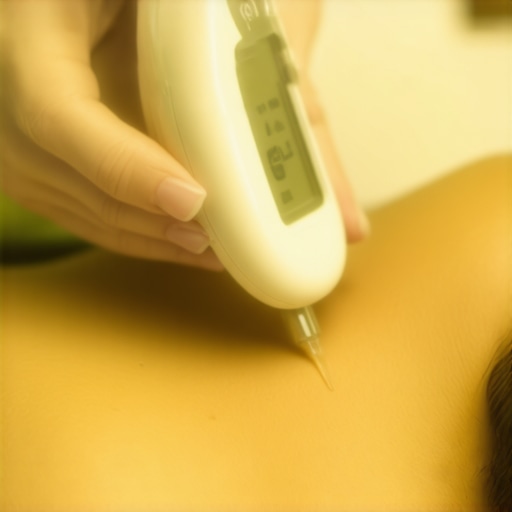
While it’s common to assume that medical equipment and supplies are straightforward tools designed solely for their primary functions, many professionals overlook the nuanced realities that impact their effectiveness and safety. A prevalent myth is that once a device is certified, it remains universally reliable without considering context-specific factors. Let’s challenge this misconception. For example, digital skin biopsy tools, such as those highlighted in our detailed review, require careful calibration and contextual understanding to produce accurate results. Relying blindly on certification alone can lead to misdiagnoses or suboptimal treatments.
One of the most overlooked issues is the improper handling and maintenance of medical supplies. For instance, handheld hemoglobin meters demand not just calibration but also correct storage and handling protocols. Even minor deviations can significantly skew results—imagine measuring blood hemoglobin with a device stored in humid conditions; the outcome might be misleading, potentially affecting patient care. This oversight is a common pitfall that many clinicians unknowingly fall into, emphasizing the importance of continuous training and meticulous maintenance routines.
Are all medical devices equally effective across different settings
This question often stumps even experienced healthcare workers. The answer is no—performance varies based on environmental factors, user expertise, and specific patient conditions. For example, portable ultrasound tools adapted for field use, such as those discussed in midwife-focused devices, can perform exceptionally well in controlled environments but may face limitations in resource-scarce settings without proper training or maintenance. The key is understanding the device’s technical specifications and the environment’s demands to optimize outcomes. Experts like Dr. Emily Smith emphasize that context-aware application is crucial—without it, even top-tier equipment can underperform or cause errors.
Another critical nuance is the lifecycle and sustainability of medical supplies. Single-use items, such as biopsy punches, are often viewed as simple disposables; however, their sterilization and proper disposal are more complex than many realize. Mishandling can lead to cross-contamination risks, counteracting the very safety they aim to provide. For example, as detailed in our inspection of dermatology tools, strict adherence to procedure not only enhances patient safety but also prolongs the lifespan of costly supplies.
Ultimately, understanding these hidden nuances transforms mere usage into expert application, reducing errors and improving patient outcomes. Keep in mind that a thorough grasp of the device’s technical, environmental, and operational context is vital. To explore more about digital tools that aid precision, visit this comprehensive guide. Have you ever fallen into this trap? Let me know in the comments.
In the fast-paced world of healthcare, keeping your medical devices in optimal condition is essential to ensure accurate results and patient safety. Regular maintenance might seem straightforward, but the devil is in the details. I personally rely on a combination of manufacturer-specific calibration routines and robust cleaning protocols to prolong equipment lifespan and maintain reliability. For example, digital skin biopsy tools such as those detailed in this insightful overview benefit immensely from scheduled calibration checks and environmental controls.
One key strategy I advocate is establishing a routine inspection schedule that includes cleaning, calibration, and functional testing. Using high-grade disinfectants compatible with your device materials prevents residue buildup and corrosion, both of which can degrade performance. Furthermore, ensuring proper storage—such as climate-controlled cases—can shield sensitive components from humidity or extreme temperatures. Regularly reviewing device logs and adhering to manufacturer updates helps preempt issues before they escalate, saving time and reducing downtime.
When it comes to software, keeping firmware up-to-date is critical. Manufacturers often release patches that address bugs and improve accuracy. I make it a point to subscribe to device alerts and notifications, integrating updates into our maintenance calendar. The trend in maintenance is leaning toward predictive analytics: by monitoring device performance metrics, you can anticipate failures before they happen. This approach minimizes unexpected breakdowns and guarantees consistent results over the long term.
Scaling your maintenance efforts as your practice grows involves investing in quality tools and training. Having dedicated technicians who understand the intricacies of each device makes a significant difference. For example, handheld hemoglobin meters like those highlighted in this review require calibration checks and environmental considerations that, if neglected, could compromise patient care. Additionally, integrating a centralized tracking system for maintenance logs can streamline compliance and facilitate audits.
How Do I Keep My Equipment Performing Over Time
The future of medical equipment maintenance is moving toward smart, connected systems. Devices equipped with IoT capabilities can now provide real-time diagnostics, alerting you to potential issues instantly. Implementing such technology in your practice can drastically improve reliability and reduce repair costs. To get started, choose devices that support remote monitoring features, like the portable ultrasound tools discussed in this list.
Finally, I recommend dedicating a portion of your budget to ongoing staff training on device handling and maintenance best practices. Well-informed staff are your first line of defense against equipment failures. Try implementing a quarterly review session, where technicians share insights from recent maintenance tasks and troubleshoot common issues together. Remember, consistent care and attention today prevent costly repairs and downtime tomorrow. Want to dive deeper? Explore innovative solutions like predictive maintenance software, which could be the game-changer your practice needs.
Ensuring the longevity of your medical devices isn’t just about routine checks—it’s about adopting a comprehensive maintenance philosophy. The latest trend points toward integrating software analytics and IoT connectivity, providing proactive insights that keep your tools functioning flawlessly. For instance, advanced systems can analyze usage patterns and predict component failures before they happen, illustrating the importance of investing in smart maintenance solutions early on. Are you ready to upgrade your maintenance strategy? Start by evaluating your current protocols and considering how automation can enhance them. Remember, a well-maintained device isn’t just a tool—it’s a cornerstone of quality care.
Throughout my journey in wound care, I’ve realized that the most impactful lessons often come from unexpected realizations. One such breakthrough was understanding that every wound is unique, and a one-size-fits-all approach simply doesn’t work when it comes to skin hydration. This taught me the importance of personalized assessment tools—like digital skin moisture meters—that provide objective data rather than relying solely on visual cues or tactile impressions. Have you ever been misled by visual assessments, only to discover the true condition later? Recognizing the limitations of traditional methods opened my eyes to the powerful role technology plays in improving patient outcomes.
Another insight that transformed my practice was the realization that consistent calibration and proper handling of my devices directly affect the reliability of my measurements. A device functioning perfectly in one environment may produce skewed results in another if not maintained properly. Regular training and adhering to manufacturer guidelines have become my go-to strategies to ensure precision. Would you agree that investing in proper training can make a significant difference in how effective your assessments are?
Finally, integrating data from moisture readings into a comprehensive treatment plan allows for more nuanced decisions. Tracking changes over time not only guides dressing adjustments but also reveals patterns that might indicate more complex issues. This proactive approach has consistently led to faster healing and fewer complications. Are you prepared to incorporate such data-driven insights into your wound care routines?
Lessons from the Frontlines of Wound Assessment,Medical supplies,Medical equipment
- Consistently calibrating your digital moisture meters prevents misleading results and enhances trust in your assessments.
- Handling devices with care and proper storage prolongs their lifespan and maintains measurement accuracy.
- Personalized, objective data transforms decision-making from guesswork into precise action, accelerating healing processes.
- Training staff diligently on device use and maintenance minimizes errors and fosters a culture of quality care.
- Tracking moisture levels over days offers deeper insights than isolated measurements, enabling proactive interventions.
My Arsenal of Tools for Skin Moisture Monitoring
Beyond digital skin moisture meters, I rely on a curated set of resources that keep me at the forefront of wound care innovation. Digital skin biopsy tools offer rapid insights that complement moisture readings, especially in complex cases. For portable ultrasound assessments, tablet-based ultrasound devices provide real-time visuals that enhance our understanding of underlying tissue health. I also found that regular engagement with industry updates and expert reviews sharpens my clinical judgment.
Investing time in understanding and selecting the right tools—from moisture meters to imaging devices—can dramatically improve patient outcomes. These resources help me continuously refine my approach, ensuring that I deliver personalized, effective wound care.
Your Next Step in Wound Care Innovation
The path to more effective wound management starts with embracing precision and technology. By integrating objective moisture assessments into your routine, you not only elevate your practice but also make a tangible difference in your patients’ healing journeys. Remember, every data point brings clarity—so gather your tools, calibrate diligently, and let technology empower your decisions. Are you ready to take your wound care to the next level?
What challenges have you faced in accurately assessing wound moisture, and how do you plan to overcome them? Share your experiences below—I’d love to hear your insights!
Sam, AI Medical Mentor.