
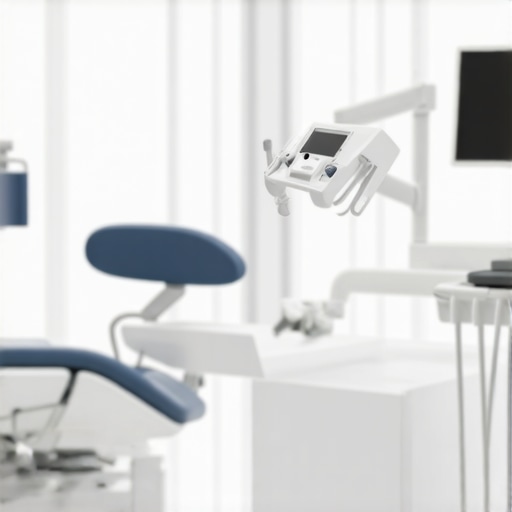
I’ll never forget the moment a patient blinked in confusion as I struggled to identify a small cavity during a routine exam. Despite my years in practice, I felt a pang of frustration—how could I have missed this tiny decay? That lightbulb moment made me realize that even experienced dentists like myself could benefit from smarter tools. Today, I want to share how AI-assisted cavity detectors are set to change the game for dentists in 2026—and how you can stay ahead of the curve.
Facing the Reality of Diagnostic Challenges in Dentistry
In my early days, I trusted traditional methods—visual exams, probing, and X-rays. While effective, these techniques sometimes fall short, especially with elusive early-stage cavities. A study published in the Journal of Dental Research highlights that even the most experienced practitioners miss up to 20% of early lesions. That statistic hit home for me, and it’s one reason I started exploring AI-driven solutions. As the dental landscape evolves, staying static isn’t an option; patients expect more accurate, faster diagnoses, and technology is making that possible.
Will New Tech Replace Dentists? Or Support Us?
Early in my career, I made the mistake of dismissing new tech as a fad. I thought, “If it works, I’ll adopt it someday.” That was a costly overlook. These tools aren’t here to replace our expertise—they enhance it. Think of AI-assisted cavity detectors as a second set of eyes, helping us catch what we might otherwise miss. For insights into how these innovations are integrating seamlessly into practices, check out detailed analyses on platforms like Medical Device Insight.
Prepare Your Workspace for Advanced AI Technologies
Start by evaluating your current layout to ensure space efficiency and optimal workflow. Consider investing in space-saving exam tables that accommodate the new AI devices without clutter. As I did during my first integration, allocate designated zones for digital equipment to streamline operations and minimize chaos, much like organizing a toolkit where each instrument has its place.
Choose the Right AI Scanner and Integrate Seamlessly
Select an AI-assisted cavity scanner that suits your practice’s patient volume and budget. Look for models with high accuracy and quick processing times. When I installed my first device, I prepared by ensuring my existing imaging software was compatible and updated. This involved consulting with tech support and reviewing integration guides. Think of this process as upgrading a smartphone’s OS—compatibility ensures smooth functioning rather than frustrating glitches. For advanced integration, assess if your current electronic dental records (EDR) system supports plugin compatibility, avoiding costly replacements later.
Set Up and Calibrate Your Device Correctly
Follow manufacturer instructions meticulously, much like assembling a complex piece of furniture. Initially, I ran several calibration tests on dummy teeth models to fine-tune the device. This involved placing the scanner at recommended distances and angles, capturing test images, and adjusting settings as needed. Remember, proper calibration is the backbone of accurate detection, akin to tuning a musical instrument for perfect sound. Document your calibration procedures for future troubleshooting and training.
Harness AI Data for Better Diagnostic Decisions
Once operational, use the AI detector’s outputs to augment your visual inspections and traditional X-ray assessments. For instance, during a recent case, I captured initial scans, which revealed early decay invisible to the naked eye. By cross-referencing AI suggestions with my clinical judgment, I identified the cavity early, avoiding more invasive procedures later. Think of AI as your digital assistant pointing out clues on a treasure map—it’s there to highlight potential issues that require your expertise. Regularly review and update the AI’s learning dataset to improve its accuracy over time.
Train and Cultivate Your Team for Consistent Results
Educate your staff on the device’s capabilities and limitations. During my first training session, I emphasized that the AI is a tool—not a replacement—for clinical judgment. Conduct hands-on workshops where team members practice capturing scans and interpreting results. Consider creating checklists to ensure each step—patient prep, scan positioning, data review—is consistently followed. Regular refresher sessions keep the team sharp and familiar with updates, similar to a sports team practicing drills to maintain coordination. This approach minimizes errors and maximizes the technology’s benefits for early cavity detection.
Maintain, Update, and Improve Your AI Integration
Establish a routine for software updates and hardware checks. I schedule bi-monthly reviews, during which I verify that the AI system is functioning correctly, clean the scanner lenses, and install the latest updates. Incorporate feedback from your team to refine workflows—for example, adjusting patient positioning protocols to optimize scan quality. Think of this process as tending to a garden: regular care ensures healthy growth and prevents small issues from escalating. Staying ahead involves proactive maintenance, keeping your practice at the forefront of diagnostic technology.
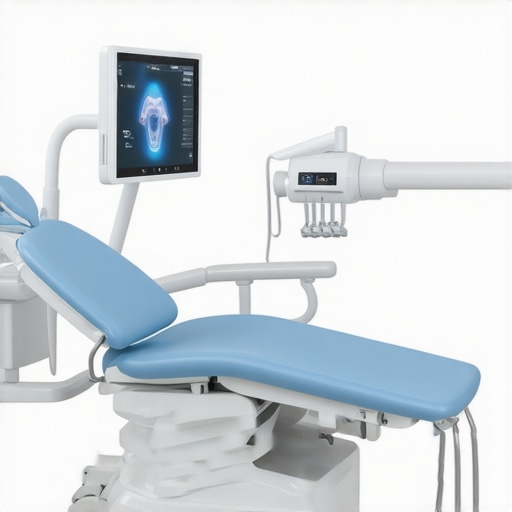
Most people assume that simply selecting the latest or most popular medical equipment guarantees optimal performance and patient safety. However, this perception often overlooks the nuanced realities of device quality, maintenance, and application. One common myth is that brand reputation alone ensures reliability, but in my experience, rigorous validation and real-world testing are equally crucial. Relying solely on manufacturer specifications without understanding the specific needs of your practice can lead to costly mistakes.
Another overlooked aspect is the importance of proper calibration and staff training. A state-of-the-art device can be rendered ineffective if not correctly calibrated or operated by personnel lacking adequate training. For example, space-efficient exam tables are excellent, but only if they are correctly set up and staff know how to maintain them, preventing malfunction or wear over time.
Why Do Many Medical Devices Fail in Real-Life Settings Despite Certification?
Certification processes like FDA approval or CE marking are essential but do not guarantee flawless performance in everyday clinical environments. Studies have shown that devices can underperform due to issues like inconsistent quality control, supply chain disruptions, or improper handling. A 2022 report in the Journal of Medical Devices highlights that between 15-20% of medical equipment fails prematurely because of inadequate maintenance or poor staff training—factors often underestimated during procurement. This gap emphasizes the necessity of ongoing staff education and scheduled maintenance routines, such as routine checks of equipment lifespan management to mitigate unseen deterioration and avoid costly replacements.
Furthermore, the belief that more advanced technology always translates into better outcomes can be misleading. For instance, embracing AI-assisted diagnostic tools is promising, but understanding their limitations and proper integration into your workflow is vital to prevent overreliance or misinterpretation of results. Advanced devices require a nuanced approach—not just to purchase but to sustain, which is often an overlooked aspect in initial planning.
To avoid falling into these traps, practices should prioritize comprehensive training, routine calibration, and thorough validation tailored to their specific environment. Incorporating systems like surface sanitization technologies or portable imaging devices demands a proactive approach, recognizing their unique operational nuances.
Have you ever fallen into this trap? Let me know in the comments.
Keeping Equipment Running Smoothly
Ensuring that your medical devices remain reliable and effective over time requires a structured maintenance routine. I personally recommend establishing a regular schedule for hardware checks and software updates. For instance, devices like digital otoscopes benefit from periodic calibration, much like tuning a musical instrument, to maintain image clarity. Regularly inspecting power sources and connectors prevents unexpected failures, which can be costly and disrupt patient care. Incorporate manufacturer-specific maintenance guides into your schedule—many equipment providers offer detailed protocols, and adhering to these can significantly extend device lifespan.
Tools and Software That Make Maintenance Easier
One tool I swear by is automated diagnostic software that accompanies many modern medical devices. For example, some ultrasound machines come with built-in self-test features, diagnosing issues before they escalate. This proactive approach minimizes downtime and prevents small issues from becoming major failures. Additionally, cloud-based device management platforms can centralize updates and logs, giving you a comprehensive overview of your equipment’s health. Investing in such tools streamlines maintenance workflows and ensures devices operate at optimal levels, which is crucial given the rapid technological advancements in 2026.
Long-Term Results Through Consistent Care
Persistent maintenance not only prolongs device lifespan but also ensures compliance with safety standards. Properly maintained equipment reduces the risk of inaccuracies—crucial when using AI-powered diagnostics like sample collection tubes. Over time, this consistency translates into better patient outcomes, reduced operational costs, and enhanced clinical confidence. An often underappreciated aspect is staff training; ensuring all team members understand maintenance protocols prevents overlooked issues. Regular refresher courses keep everyone updated on best practices, as recommended by industry standards.
Scaling Maintenance Practices in Growing Practices
As your practice expands, so does the complexity of maintaining multiple devices across various locations. Adopting a centralized maintenance system becomes indispensable. For larger clinics, employing IoT-enabled equipment allows remote monitoring—alerting you instantly if a device shows signs of malfunction. This proactive stance is already shaping the future, with predictive maintenance models leveraging AI to forecast equipment failures before they occur. To stay ahead, consider integrating such systems and training your team to respond swiftly to alerts, ensuring minimal disruption to patient services.
How do I maintain my medical devices over time?
Developing a comprehensive maintenance plan tailored to your practice’s specific equipment mix is essential. Start by following manufacturer guidelines closely, scheduling routine checks, and utilizing diagnostic tools designed for your devices. Regular calibration, combined with staff education, reduces errors and prolongs device utility. Remember, proactive maintenance saves costs and enhances patient safety—it’s an investment worth making. For advanced maintenance strategies, exploring platforms that incorporate predictive analytics can position your practice at the forefront of healthcare technology—try integrating IoT-enabled monitoring for your critical devices today.
Throughout my years in dentistry, the most transformative shifts have come not just from new technologies, but from the lessons I’ve learned in integrating them. One especially pivotal insight is that rushing to adopt the latest gadget without understanding its nuances often leads to underwhelming results. For instance, I once purchased an AI scanner expecting instant improvements but overlooked the importance of staff training and calibration. The real breakthrough happened when I slowed down, invested time in calibration, and fostered a culture of continuous learning. This experience taught me that technological mastery stems from patience and commitment, not just acquisition.
Lessons from the Trenches: What I Wish I Knew About AI in Dentistry
- Calibration is King: No matter how advanced the AI, if the device isn’t properly calibrated, its potential remains unrealized. Regular calibration routines transform AI suggestions from tentative hints into reliable diagnostic partners.
- Team Training Matters: I underestimated the impact of thorough training. When everyone on the team understands how to interpret AI outputs, the entire diagnostic process becomes more precise and confident.
- Data Quality Over Quantity: Feeding AI systems with high-quality, representative data ensures better detection accuracy. Dirty or inconsistent data can lead to false positives or negatives, undermining trust.
- Integration Is a Journey: Seamless incorporation into existing workflows requires patience, adjustment, and sometimes, restructuring. Rushing this step can create bottlenecks and frustration.
Tools That Keep My Practice Ahead
- AI-assisted cavity detection scanners: These tools have revolutionized early decay detection, saving me and my patients from invasive procedures and costly repairs.
- Integrated digital imaging platforms: Combining high-resolution images with AI enhancements provides a holistic view, making diagnosis faster and more accurate.
- Calibration and maintenance software: Automated routines ensure my devices always operate at peak performance, reducing downtime and unforeseen errors.
Ignite Your Passion for Progress
Embracing AI technologies in dental diagnostics isn’t just about staying current—it’s about elevating patient care and enhancing our professional confidence. The landscape is rapidly evolving; every practice that commits to understanding and meticulously integrating these tools will lead the way. Remember, technology is a tool, and mastery of this tool empowers us to deliver healthier, happier smiles. So, dive in, stay curious, and don’t be afraid to experiment with new workflows—your patients will thank you for it.
What has been your biggest challenge in adopting AI-assisted diagnostics? Share your experience below—I’d love to hear your insights!