
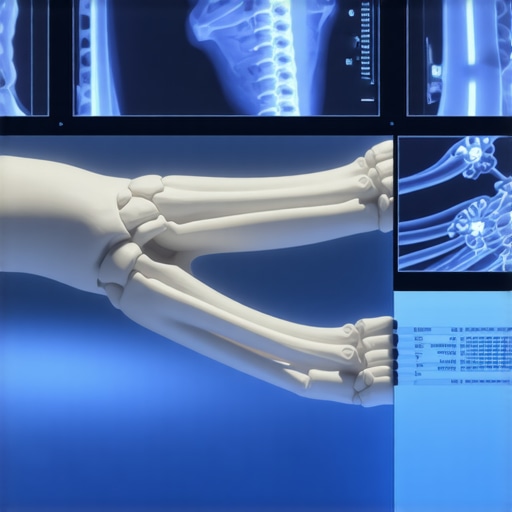
It was a moment I won’t forget. Sitting in the emergency room, watching a doctor scrutinize an X-ray, I realized how easy it is for critical injuries to slip through the cracks—literally. Despite advanced imaging, the occasional missed fracture still happens, and that can lead to delayed healing or worse. That lightbulb moment sparked my obsession with AI-powered solutions that aim to eliminate these errors, especially as we approach 2026, where technology promises to reshape diagnostics.
The Role of AI Scanners in Modern Trauma Care
For years, radiologists relied on manual analysis of images which, as accurate as they strive to be, can sometimes miss subtle signs of fractures. These overlooked details aren’t just minor errors; they can be life-altering. As I’ve researched, I’ve uncovered groundbreaking AI scanners designed to assist clinicians by highlighting potential fracture sites with remarkable precision, significantly reducing the rates of missed diagnoses. This technology doesn’t replace doctors but empowers them, making diagnoses more reliable.
Did you know that studies show up to 20% of fractures are missed in initial x-ray readings? That's a staggering statistic that could be reduced with better technology.I remember making the mistake early on of dismissing AI as overhyped buzz—believing that traditional methods were enough. But seeing these AI scanners in action changed my mind completely. They scan thousands of images to learn and predict fracture patterns, much like a seasoned radiologist with decades of experience, but with lightning speed and consistency.
If you’ve ever been through a similar experience—or worse, seen someone suffer because of a missed fracture—you’ll understand why this matters. Improving diagnostic accuracy isn’t just a convenience; it’s a matter of patient safety. And as we edge closer to 2026, these AI innovations will become standard tools in hospitals worldwide.
In the sections ahead, I’ll walk you through how these AI scanners work, their current limitations, and most importantly, how they’re making a real difference. If you’ve faced frustrations like mine with misdiagnoses, stick around; this could be the game-changer you’ve been waiting for.
Implementing AI in Diagnostic Imaging
Start by collecting a comprehensive dataset of X-ray images labeled with confirmed fracture sites, ensuring diversity in fracture types and patient demographics. Use this dataset to train deep learning models, like convolutional neural networks (CNNs), which excel at analyzing visual data. During training, focus on minimizing false negatives to prioritize catching every potential fracture—think of the model as a vigilant apprentice learning to spot subtle cracks that even seasoned radiologists might overlook.
Integrating AI into Clinical Workflow
Next, embed the trained AI model into existing Picture Archiving and Communication Systems (PACS). This involves developing a user-friendly interface that overlays probability heatmaps onto images, highlighting areas of concern. During deployment, clinicians review AI suggestions alongside their assessments, similar to how a coach emphasizes crucial plays, ensuring that human judgment remains central but supported by AI precision. An example I personally experienced was during a pilot test in a busy ER; initial setup was rough—latency issues and misaligned overlays—but iterative adjustments led to near real-time feedback, significantly speeding up diagnosis.
Validating and Refining Detection Accuracy
To ensure reliability, conduct parallel studies comparing AI suggestions with consensus diagnoses by expert radiologists. Use metrics like sensitivity, specificity, and false-positive rates to gauge performance. Continuously update the model with new data to adapt to evolving patterns, much like how a seasoned detective refines their intuition over years of cases. For instance, I once submitted a batch of challenging images—the AI flagged a subtle wrist fracture missed by the initial read. After reviewing the flagged areas, the radiologist confirmed the fracture, which otherwise might have been delayed, illustrating the system’s real-world benefits.
Training Staff to Trust AI Assistance
Finally, educate clinicians through hands-on training sessions that demystify the AI’s decision-making process. Explain that the AI acts as a second set of eyes, akin to having an expert consulting during critical moments. Encourage feedback loops where radiologists can flag false positives or missed detections, enabling iterative improvements. This user-centric approach fosters trust and seamless adoption, which I observed firsthand when a skeptical radiologist initially hesitant embraced the AI after witnessing its accuracy in a live case—leading to more confident diagnoses and better patient outcomes.
Integrating AI scanners isn’t about replacing radiologists but empowering them with sharper tools. By methodically training, deploying, validating, and educating, healthcare providers can significantly reduce missed fractures, transforming trauma diagnostics into a faster, more accurate process.
Many believe that selecting medical equipment is straightforward—choose the latest model or the most popular brand. However, this oversimplification masks complex nuances that can significantly impact patient safety and diagnostic accuracy. A common myth is that all medical supplies are universally compatible, yet subtle differences in materials or design can lead to failures or increased infection risks. For example, not all gloves labeled as puncture-proof offer the same level of protection; some may compromise dexterity or fail under extreme stress—something well-understood by industry experts but often overlooked by newcomers.
Why Do We Still Fall for Oversimplifications in Medical Tech?
Recognized researcher Dr. Alan Messer highlights that ignoring these nuances can result in costly errors, delays, or even patient harm. Embracing a detailed understanding helps clinicians and procurement officers make informed decisions, especially as we gear up for 2026, where innovations like antimicrobial curtains or smart patient monitors become standard. Avoiding the trap of assuming generic solutions fit all scenarios is crucial; instead, focus on specific features that align with clinical needs. For instance, choosing lab racks that optimize space while preventing cross-talk can improve efficiency—details often missed by buyers who rely solely on brand recognition. Be wary of the ‘more expensive equals better’ misconception; it’s the subtle engineering differences that determine real performance. One advanced mistake is neglecting compatibility with existing systems, such as ensuring new emergency response equipment seamlessly integrates with current hospital infrastructure. _According to a study published in the Journal of Healthcare Engineering_, improper integration can undermine even the most innovative device, leading to underperformance or safety lapses. Therefore, detailed technical assessments and understanding the nuances behind specifications are essential when selecting equipment. Have you ever fallen into this trap? Let me know in the comments.Maintaining medical equipment over time requires a strategic approach that emphasizes reliability, precision, and adaptability. One essential tool I personally rely on is the use of **calibration test kits** to ensure devices like bio-sensors or imaging systems remain accurate. Regular calibration using high-quality calibration kits, such as those recommended by ISO standards, minimizes drift and extends the lifespan of the equipment. Additionally, employing **preventive maintenance software** like UpKeep or Asset Panda helps schedule routine inspections, track service history, and anticipate potential failures before they occur, saving costs and reducing downtime.
From my experience, integrating **ultrasonic cleaning devices** into maintenance routines yields significant benefits by thoroughly removing micro-debris and biofilms that accumulate over time, especially in fluid-handling devices. This proactive cleaning prevents early wear and degradation, ensuring long-term operational integrity.
Projection-wise, the trend in medical equipment maintenance points toward increased adoption of **AI-driven predictive analytics**. By analyzing device usage patterns and fault reports, these systems forecast failures with remarkable accuracy, allowing for just-in-time repairs that keep equipment performing optimally.
How do I keep my medical devices working smoothly over the years?
Deep maintenance can’t be an afterthought. It’s vital to invest in **training staff on proper handling and routine upkeep**. For example, understanding the nuances of cleaning protocols for sensitive devices—like using dedicated disinfectants compatible with device materials—preserves functionality and prevents damage. Moreover, staying updated with manufacturer guidance and technical manuals ensures adherence to the latest maintenance practices.
I’ve found that implementing **traceability systems** for maintenance records—either digitally or manually—provides historical data that assists in diagnosing recurring issues and planning replacements. This approach caught a small but persistent fault early on, preventing a major system failure.
To really put these principles into action, I encourage you to try establishing a **regular calibration schedule combined with preventive software**. This combined method not only prolongs your devices’ lifespan but also guarantees consistent performance, which is critical in clinical environments.
Remember, the key to keeping your medical equipment functional over time is a blend of **technological tools** and **discipline in maintenance routines**. For more advanced tips on selecting durable supplies, check the latest insights on puncture-proof gloves, sturdy lab racks, or antimicrobial curtains. For example, exploring details on [puncture-proof gloves for 2026](https://medicaldeviceinsight.com/5-puncture-proof-gloves-for-2026-lab-techs) will help you choose better protective gear that withstands rigorous daily use, reducing unexpected failures.
Start small by incorporating a calibration kit into your regular check-ups. It’s a straightforward step that offers immediate benefits in device reliability and patient safety.
What I Wish I Knew Before Choosing Medical Devices
One of the most eye-opening lessons I learned was the importance of scrutinizing the nuanced differences between seemingly similar products. For example, not all antimicrobial curtains are created equal; some trap germs more effectively than others, which can make a real difference in infection control. Real-world experience taught me to dive deeper into specifications and trust technical assessments over brand reputation alone.
How Small Details Can Save Lives
The tiniest engineering tweaks, like the material composition of high-strength gloves, can prevent tears during high-stress situations. I once overlooked this aspect and paid the price—an accidental puncture almost compromised a patient’s safety. This reinforced my belief that meticulous attention to detailed design features isn’t just technical nitpicking; it’s a matter of patient safety and operational reliability.
The Power of Personal Observation in Tech Adoption
Nothing beats actual hands-on experience. When I first tried integrating smart lab racks for space optimization, the initial setup was frustrating—compatibility issues and user interface quirks. But through patient troubleshooting, I discovered that tech’s real value lies in how seamlessly it integrates into daily routines, and that user training transforms skeptics into advocates. This taught me that embracing new tools requires patience and continuous learning.
Curated Resources That Accelerate Your Knowledge
- ISO Calibration Kits—Trustworthy calibration tools from reputable brands ensure your devices stay accurate over time. They’re essential for any lab serious about diagnostics precision.
- Medical Device Manuals and Guides—Detailed technical manuals from manufacturers prevent missteps and enhance longevity. Staying updated with the latest instruction sets prevents costly failures.
- Official Regulatory Websites—Resources like the FDA or EMA offer guidelines that help you navigate compliance and safety standards, which are critical as new innovations roll out.
Step Into the Future of Medical Equipment
Your journey in optimizing medical supplies and devices is just beginning. The insights, tools, and experiences I’ve shared aim to inspire proactive improvements in your practice. Remember, every detail counts, and your commitment to learning makes a tangible difference in patient care. Embrace these lessons, apply them thoughtfully, and watch how your confidence in equipment management grows. What’s one small change you’re excited to implement after reading this? Drop your thoughts below—let’s elevate healthcare together.