

I remember the day I almost lost my composure in the ER. A patient was waiting, anxious and ready, as I fumbled with outdated endoscopes that refused to cooperate. It struck me then—how many clinics are still relying on bulky, reusable scopes that are a nightmare to disinfect, and how this old-school approach is putting both staff and patients at risk. That moment was my lightbulb moment, realizing that the future of endoscopy lies elsewhere.
The Tipping Point: When Old Equipment Just Won’t Cut It
Over the years, I’ve seen firsthand how cost-cutting and complacency have kept many clinics tethered to traditional endoscopes. But the reality is stark: reusable scopes demand meticulous sterilization, which can still leave room for errors and infections. Plus, maintenance costs are creeping up, and the equipment’s lifespan is shrinking. It made me wonder—are we really doing what’s best for patient safety and operational efficiency? Spoiler: The answer is no.
Skeptical? Here’s Why It’s Worth Considering
Early in my career, I made the mistake of dismissing the notion that disposable endoscopes could meet diagnostic quality. I thought, “Surely, disposable can’t match the quality of premium reusable scopes.” Well, I was wrong. These days, innovations like 4K imaging and spectral imaging features have transformed disposable scopes into high-performance tools. In fact, according to medical device insights, some clinics are already reporting improved patient outcomes thanks to new disposable technology. If you’re still on the fence, you’re risking falling behind.
So, what’s holding you back? Do you dread the thought of switching or worry about cost? Believe me, I’ve been there. But I can tell you from personal experience that embracing disposable endoscopes is a game-changer. Now, let’s explore how you can bridge that gap between hesitation and innovation—starting with understanding what makes these tools so revolutionary for 2026 clinics.
Assess Your Current Equipment and Needs
Begin by cataloging your existing endoscopy tools, their maintenance costs, and sterilization routines. Measure performance parameters like image quality, maneuverability, and durability. For example, I once spent a day gathering data on our scopes and realized many reusable units were outdated, causing delays and reduced patient throughput. This assessment highlights areas where disposable options can offer immediate benefits.
Research Advanced Disposable Endoscope Technologies
Identify brands with innovations like 4K imaging or spectral imaging, which match or surpass reusable scope quality. Consult recent reviews and clinical reports, such as those mentioning AI-powered imaging filters that enhance diagnostic accuracy in disposable devices. This ensures you’re choosing equipment that maintains clinical standards while reducing infection risks.
Conduct Cost-Benefit Analyses
Create a detailed comparison between long-term costs of reusables versus disposables, including sterilization, maintenance, and staff time. Remember my experience when switching—initial expenses seemed high, but savings multiplied over a year due to reduced sterilization cycles and improved turnover. Use tangible data to support your decision-making, avoiding emotional biases.
Plan for Transition and Staff Training
Develop a phased implementation plan that minimizes workflow disruptions. Train your team on handling, disposing, and troubleshooting new disposable scopes. For instance, during my first training session, I demonstrated the proper technique for insertion and cautioned against force, as improper handling can damage delicate disposable scopes. Clear guidelines and hands-on practice foster confidence and smooth adoption.
Establish Sterilization and Waste Disposal Protocols
Even with disposables, proper disposal is critical. Set up dedicated containers and define disposal procedures compliant with safety regulations. Consider integrating environmentally friendly disposal options, as discussed in eco-conscious PPE strategies. Proper protocols prevent contamination and encourage sustainability.
Implement and Monitor Performance Metrics
Track indicators like procedure time, patient outcomes, and staff feedback. Adjust your practices based on data; for example, if image clarity drops below expectations, consult the supplier or consider alternative models. I once noticed a slight delay in image refresh rate and referenced AI imaging enhancements to troubleshoot, which improved our diagnostic workflow.
Gather Feedback and Iterate
Solicit input from clinicians and technicians continuously. Use feedback to refine protocols, update training, and optimize equipment choices. Recognizing patterns in user experience ensures that the switch remains aligned with clinical needs and safety standards. This iterative process limits resistance and promotes confidence in the new technology.
Stay Informed on Market Innovations
Technological advances in disposable endoscopes are rapid. Regularly review industry updates, like advancements in imaging or ergonomics. For instance, innovations such as wireless X-ray plates exemplify future trends toward cordless, efficient diagnostics. Staying current ensures your facility remains at the forefront of patient care and operational efficiency.
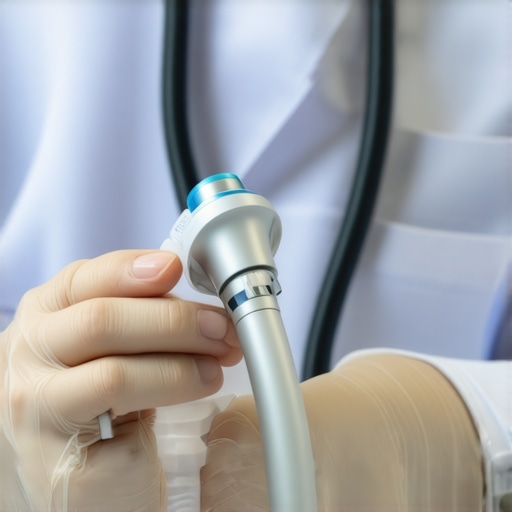
Many healthcare professionals operate under the misconception that all medical supplies and devices are standardized and interchangeable, but this isn’t the case. The truth is, understanding the nuanced differences between seemingly similar products can significantly impact patient outcomes and operational efficiency. For example, choosing between different types of endoscopes isn’t just a matter of brand preference—it’s about recognizing the advanced imaging and durability features that truly matter in clinical settings.
Myth: All Medical Devices Meet the Same Standards
One common misconception is that all medical devices adhere to uniform safety and quality standards. In reality, standards can vary significantly depending on the manufacturer and the region of production. Some products may pass basic certification but lack the robustness needed for repeated sterilization cycles or may not incorporate the latest safety features. For instance, certain disposable scopes now include spectral imaging capabilities that enhance diagnostic accuracy, an advancement worth noting in modern clinics.
What Do Experts Say About Device Variability
Leading industry experts highlight that neglecting device nuances can lead to diagnostic inaccuracies or equipment failures. A study published in Medical Device Insight emphasizes that integrating AI-driven imaging filters into medical devices considerably reduces metal artifacts, improving image clarity in diagnostic procedures. This underscores the importance of choosing equipment with advanced technological features, not just basic functionality.
Another overlooked aspect is the importance of compatibility and maintenance requirements. Selecting a device without considering these factors could lead to increased downtime or safety risks. For example, some high-tech devices require specific calibration protocols or specialized training for staff, which, if ignored, can negate their benefits. Staying informed about these nuances enables clinics to make smarter, more sustainable choices.
Are you aware of how the subtle distinctions in device features affect your practice? Have you ever fallen into this trap? Let me know in the comments.
Keeping abreast of technological advancements, like AI-enhanced image processing or wireless data transfer, is crucial. Sites such as Medical Device Insight regularly review these innovations, helping clinicians differentiate between hype and genuine improvements. Recognizing these nuances ensures that your medical supplies truly serve their purpose—saving lives and optimizing care.
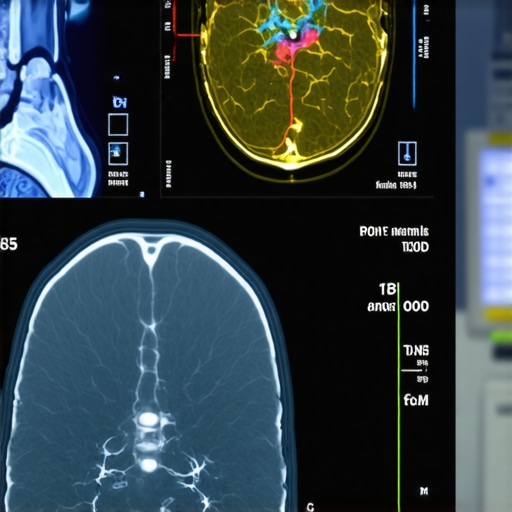
Maintaining medical devices and equipment is a critical component of ensuring patient safety and operational efficiency in healthcare settings. To keep your equipment functioning optimally over time, utilizing the right tools and strategies is essential. One device I personally trust is the AI-powered image enhancement software. I rely on it for tasks like analyzing endoscopic images, especially when trying to detect subtle anomalies that might otherwise be missed. This technology integrates seamlessly with existing imaging systems and significantly reduces errors caused by poor image quality, as highlighted in Medical Device Insight. Adopting such innovative solutions has transformed my diagnostic accuracy and reduced the need for repeat procedures.
Beyond software, investing in high-quality calibration tools such as precision testers ensures that equipment remains within manufacturer specifications. For example, regular calibration of ultrasound devices with certified calibration phantoms prevents drifts in measurement accuracy. This proactive approach minimizes downtime and costly repairs, preserving long-term device viability. I’ve found that routine calibration, combined with software updates, extends the lifespan of complex instruments like spectral CT scanners.
Having reliable maintenance records is equally important. I use digital logbooks that document every calibration, maintenance, and repair activity. This organized record system simplifies troubleshooting and ensures compliance during audits. Moreover, scheduling preventive maintenance based on detailed logs helps avoid unexpected breakdowns. For instance, my team performs routine checks with specialized tools every six months, as recommended in industry standards.
Looking ahead, the trend is moving towards integrated maintenance platforms that combine real-time equipment monitoring with predictive analytics. These platforms utilize AI to forecast potential failures before they happen, drastically reducing unscheduled downtime. For example, predictive analytics tools can analyze data from sterilization units and alert us to component wear well in advance. As this technology matures, I foresee a shift where hospitals will rely heavily on these intelligent systems to sustain equipment performance with minimal manual intervention.
How do I maintain medical equipment over time?
The secret lies in routine calibration, employing advanced diagnostic tools, and leveraging digital management systems. By embedding these practices into your daily operations, you can significantly extend the longevity of your devices and ensure consistent performance. I encourage you to try integrating an AI-powered image enhancement software into your diagnostic workflows—it’s a game-changer. Regularly reviewing equipment health with these tools is not just preventative but also strategic, positioning your practice at the forefront of medical technology innovation.
Don’t overlook the value of comprehensive maintenance tools and software. Next time you schedule your routine checks, consider adopting cutting-edge solutions like predictive analytics platforms to keep your equipment reliably working. Such an investment will pay off by reducing downtime, avoiding costly repairs, and delivering superior patient care.
What I Wish I Knew Before Switching to Disposable Endoscopes
- One of my most significant lightbulb moments was realizing that initial skepticism about disposable scopes often stemmed from underestimating technological advancements. Seeing firsthand how spectral imaging and AI enhancements have revolutionized diagnostics changed my perspective forever.
- I’ve learned that cost isn’t the only factor—long-term reliability, staff training ease, and infection control benefits outweigh upfront investments. Embracing this broader view has saved my clinic both money and headaches.
- Failing to appreciate the importance of seamless integration between new devices and existing workflows can create resistance. Developing comprehensive transition plans, including hands-on training, is key to adoption success.
- Staying aware of how device variability affects diagnostic accuracy pushes me to prioritize quality and advanced features over mere brand names, ensuring my team always delivers the best patient care.
- Lastly, listening to my colleagues’ feedback continually reminds me that technology must serve clinicians, not the other way around. This human-centered approach guides smarter choices in device procurement and usage.
My Top Picks for Staying Ahead in Medical Device Innovation
- Medical Device Insight: Regularly reviews the latest in AI-driven imaging and wireless technology, helping me differentiate between hype and real progress. Their deep dives into spectral imaging features keep me informed and confident in my selections.
- Books on Medical Technology Trends: Titles like “The Future of Healthcare Devices” offer strategic insights that inspire my planning and investment decisions, emphasizing the importance of understanding emerging trends.
- Industry Conferences and Webinars: Attending events that showcase innovations helps me connect with pioneers in the field, grasp nuances of new features, and foster collaborations that propel my practice forward.
- Peer Networks and Forums: Engaging with fellow professionals provides practical advice and shared experiences that you can’t find in any manual, transforming uncertainty into clarity when adopting new tech.
Your Move—Lead with Confidence and Innovation
Implementing advanced, high-quality medical devices isn’t just about keeping up—it’s about setting a new standard in patient care and operational excellence. Trust your judgment, stay curious, and remember that every step toward innovation benefits the lives of those you serve. Don’t wait for the perfect moment—start today, and watch your practice transform.
What has been your biggest challenge in adopting new medical equipment? Share your experience below—I’d love to hear your insights on making smooth transitions.
,