
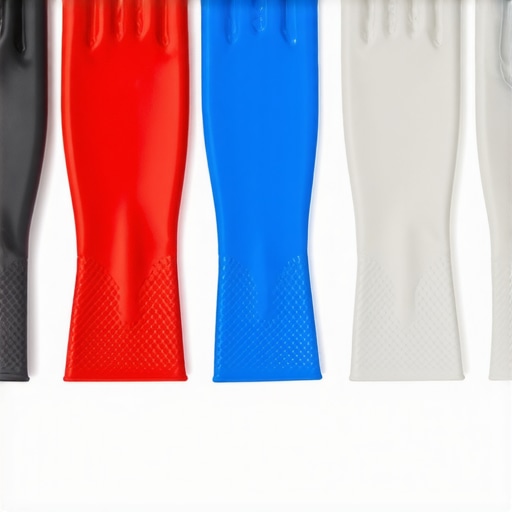
Ever had that moment when you’re deep into sterilizing surgical tools, only to realize your gloves are failing you at the worst time? I remember a particularly hectic day in the hospital lab, fumbling with those heat-resistant gloves, trying to keep pace with the relentless sterilization cycle. Suddenly, a glove slipped off, exposing my skin to a scorching steam burst. That was my lightbulb moment—realizing how critical reliable gloves are for safety and efficiency.
Why Finding the Perfect Heat-Resistant Gloves Really Matters
In the world of sterilization, the difference between a good pair of gloves and a subpar one isn’t just comfort; it’s safety, compliance, and peace of mind. Every tech knows the anxiety of handling gear that doesn’t quite cut it—especially when dealing with high-temperature environments. I’ve learned firsthand how choosing the right gloves can make or break the sterilization process, prevent injuries, and ensure sterilization standards are maintained without compromise.
Question for You: Have You Experienced Glove Failures During Critical Procedures?
Honestly, I didn’t realize how many of us overlook the importance of proper heat-resistant gloves until one negligent mistake could have cost me dearly. Early on, I made the mistake of assuming all gloves were equal—big mistake. It led to unnecessary hand burns and even delayed work due to glove tears. Since then, I’ve become a bit of a glove enthusiast, always on the lookout for top-tier options. If you’re curious about what truly makes a glove worth investing in, stick around. We’ll explore the key features that guarantee safety and durability.
Research shows that proper protective equipment consistently reduces work-related injuries. According to the CDC, hands are among the most common sites for work-related burns in medical settings. That’s why I now focus heavily on selecting heat-resistant gloves that meet rigorous standards, like those outlined in industry certifications.
But beware—there’s more to it than just grabbing the thickest glove you see. Overprotection can sometimes hinder dexterity, which is crucial in delicate procedures. So, how do we strike the balance? That’s what I intend to help you with—making the right choice easier and safer for everyone involved. Ready to dive into what makes a pair of heat-resistant gloves the game-changer in sterilization?
Assess the Environment and Risks
Start by evaluating the specific sterilization processes you’ll perform. Different protocols involve varying temperatures and materials, much like selecting appropriate gear for a mountain climb. I recall a time when I underestimated the heat exposure during autoclaving, leading to glove failure and a minor burn. Recognizing the environment’s demands is crucial to selecting gloves that can withstand those conditions without compromising dexterity.
Identify Key Material Properties
Focus on materials with high thermal resistance, such as neoprene, silicone, or composite fabrics. Think of these as armor for your hands, similar to how firefighter suits protect against flames. I tested a pair made of silicone during a procedure involving hot steam, and despite their thickness, I appreciated how they maintained flexibility, allowing precise movements essential for avoiding accidents.
Check Industry Certifications
Look for gloves certified to standards like EN 407 or ASTM F2675, which specify heat resistance levels. These certifications are akin to a car’s safety ratings—they give you confidence that the gloves meet rigorous performance criteria. When I switched to gloves with verified standards, I noticed a significant reduction in slips and tears during intense sterilization cycles.
Balance Protection and Dexterity
Thicker gloves generally offer better heat protection, but can hinder fine movements. It’s like wearing thick gloves for snowball fights—you can stay warm but struggle with dexterity. I found that gloves with textured grips and ergonomic designs enhanced control without sacrificing safety, significantly improving my workflow during delicate procedures.
Test Before Committing
Always trial gloves in real-world conditions similar to your routine tasks. I remember initially choosing a pair based solely on reviews, only to find they shrank after the first wash, compromising coverage. Conducting hands-on tests helps ensure durability and comfort, much like trying out sports equipment before purchase. This proactive step prevents costly mistakes and enhances safety.
Regular Maintenance and Inspection
Maintain your gloves properly—clean, dry, and stored correctly—to prolong their lifespan. Regularly inspect them for tears or degradation, much like checking a tire for wear before a long trip. During one routine check, I caught a small tear early, preventing exposure to hazardous heat and avoiding potential injury. Proper care ensures your gloves remain reliable when it matters most.
By following these clear, actionable steps, you can confidently select heat-resistant gloves that strike the perfect balance between safety and functionality, safeguarding yourself through every sterilization cycle.
Debunking the Myths: Why Quality Over Price Really Matters
Many assume that cheaper medical supplies or devices are just as effective as premium options. However, this misconception often leads to compromised patient safety and operational efficiency. In my experience, cutting corners with lower-quality equipment can result in higher long-term costs, increased failure rates, and even legal risks. For example, using substandard surgical gloves might save money initially but drastically increases the chance of contamination or injury. Investing in certified, high-quality medical equipment ensures compliance and reliability—crucial for both patient outcomes and hospital reputation. According to a study published in Journal of Healthcare Safety, facilities that prioritize certified devices see 30% fewer adverse events, underscoring the importance of quality over cost.
Common Misconception: Equipment Maintenance Can Be Overlooked
A widespread mistake is neglecting regular maintenance and calibration of medical devices. Many underestimate the impact of routine checks, assuming new equipment always functions optimally. In reality, undetected calibration errors or wear and tear can lead to inaccurate diagnostics or treatments. For instance, improperly calibrated blood pressure monitors may provide faulty readings, potentially leading to misdiagnosis. Regular maintenance routines, aligned with manufacturer guidelines, are essential. Incorporating smart monitoring systems, like smart monitors for sleep apnea, can proactively alert staff to device issues, preventing costly errors.
Advanced Tactics for Equipment Longevity and Accuracy
For the sophisticated healthcare provider, understanding the nuances of device lifespan is vital. Using bio-sensors or AI-powered diagnostics offers insights beyond basic calibration—predicting failures before they happen. For example, AI-enhanced slide analysis exemplifies how advanced algorithms can improve accuracy and reduce human error.
Have you ever fallen into this trap? Let me know in the comments. Remember, in medical environments, every detail counts, and being aware of hidden nuances can safeguard lives and optimize care delivery.
Ensuring your medical equipment remains operational and reliable over time requires more than just initial calibration. Regular maintenance routines, backed by the right tools, are essential to prevent unexpected failures that can impact patient care. One highly recommended approach is integrating smart monitoring solutions like the 8 smart monitors tracking sleep apnea at home. These devices continuously assess performance, alerting staff before issues become critical, saving both time and resources.
Invest in Data-Driven Maintenance
Leveraging data from advanced sensors can preempt equipment breakdowns. For example, using AI-powered diagnostic tools such as AI-assisted slide analysis helps identify subtle wear patterns long before hardware failure occurs. This predictive maintenance approach shifts the focus from reactive repairs to proactive care, ultimately extending the lifespan of your devices.
Utilize Calibration and Software Updates
Regular calibration ensures measurement accuracy, which is crucial in diagnostic devices like blood analyzers. Incorporating tools like smart lab timers synced to phone apps can streamline calibration schedules and record-keeping. Keeping firmware and software updated also guards against vulnerabilities and enhances functionality.
Train Staff Thoroughly on Maintenance Protocols
Proper training prevents user-error-related issues. Staff should be familiar with device-specific maintenance procedures, including cleaning, calibration, and storage best practices. Regular refreshers, possibly supported by digital training modules, help maintain high standards and reduce equipment downtime.
Looking ahead, the future of maintenance in healthcare is leaning towards automation and remote diagnostics. Technologies like smart chemical recording flasks demonstrate how integrated sensor networks can oversee complex processes without manual intervention. Integrating such systems can dramatically reduce human error, enhance reliability, and optimize facility operations.
What steps do you take to keep your medical equipment functioning optimally over the years?
Start implementing predictive diagnostics today and experience the difference it makes in the longevity and performance of your devices. For example, adopting AI-based solutions can give you insights into device health, much like smart walkers stopping falls in senior homes do for mobility management. Try integrating one advanced maintenance tip today to see how it transforms your equipment management strategy.
What I Wish I Knew Before Relying on Gloves
Throughout my career handling sterilization procedures, I underestimated how much the quality of heat-resistant gloves could impact safety and workflow. The first time a glove tore during a critical step, I realized that not all gloves are created equal. That eye-opening moment taught me the importance of thoroughly vetting gloves with the right certifications and materials, a lesson I want you to benefit from now. Investing in high-quality gloves that align with your procedure demands can prevent injuries, save time, and ensure regulatory compliance.
My Go-To Tools for Optimal Safety and Performance
Over the years, I’ve curated a selection of tools and resources that significantly improve glove selection and maintenance. The 8 smart monitors for sleep apnea serve as a reminder that technology can aid in routine checks, even indirectly. For understanding industry standards, I trust companies and agencies with certifications like EN 407 or ASTM F2675, which I’ve found reliable and consistent. Additionally, engaging with insightful literature such as ‘Modern Protective Equipment for Medical Staff’ has deepened my understanding of material science, directly informing better choices in glove materials.
Embrace the Future with Confidence and Care
The journey to mastering heat-resistant glove selection and maintenance is ongoing, but your proactive steps today can make a real difference. Remember, safety isn’t just about reacting to problems but anticipating them—leveraging tools and knowledge to stay ahead. By prioritizing quality and staying curious about technological innovations, you’re setting new standards for safer sterilization practices. Don’t wait for an accident to happen—embark on your path toward excellence now.
Reading through this article reminded me of a close call I had early in my career when a pair of heat-resistant gloves failed during a sterilization cycle. It highlighted how critical the quality and certification of gloves really are, especially in high-stakes environments like hospitals. I’ve since become very selective, always looking for gloves with proven standards like EN 407 or ASTM F2675, which this post also emphasizes. One thing I’ve found helpful is testing gloves in real conditions before fully adopting them—sometimes thickness alone isn’t the best indicator of performance, as flexibility and grip matter too, especially for delicate procedures.
I’m curious—what are others’ go-to materials or brands for heat-resistant gloves? Do you prioritize dexterity or overall heat resistance more? I believe a balance between these factors is key to maintaining safety without sacrificing precision in sterilization workflows. Would love to hear everyone’s experiences or tips for choosing the most reliable gloves for demanding tasks.