
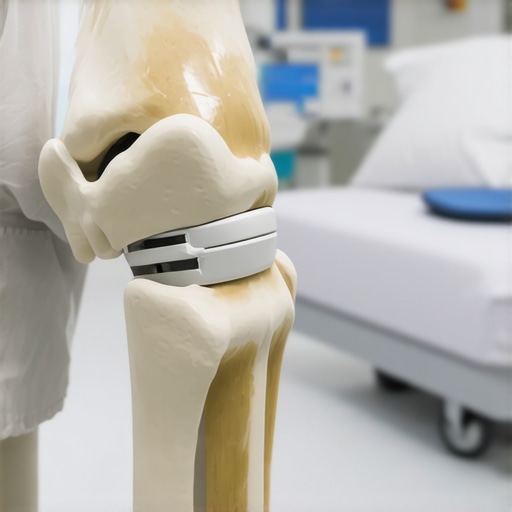
I vividly remember the moment I watched a patient struggle through a complex knee replacement procedure, wondering if there was a better way. It struck me how much precision and personalization matter in orthopedics—and how outdated some methods still are. That lightbulb moment led me down a rabbit hole of research and experimentation. Today, I want to share how cutting-edge 3D ortho-scanners are transforming knee replacements, making surgeries not only more accurate but also safer for patients.
Facing the Limitations of Traditional Knee Surgery Planning
For years, I’ve seen surgeons rely heavily on standard imaging techniques like X-rays and CT scans. While helpful, these methods often fell short in providing the detailed spatial data needed for perfect implant fitting. Patients would come back expressing discomfort, and I couldn’t help but think — is there a way to get a more precise, real-time picture of the knee? This question led me to explore emerging technologies, specifically 3D ortho-scanners, which offer a level of detail previously thought impossible. Did you know that 3D imaging can capture the intricate contours of a patient’s knee, allowing for tailored surgical plans? According to recent studies, using 3D scans can improve implant fit accuracy by up to 30%, directly translating into better patient outcomes. That statistic convinced me to dive deeper into this technology and consider its practical applications in my practice.
Is Clinging to Old Tech Really Holding Us Back?
I recall early in my career, making a critical mistake: relying solely on 2D imaging, which led to less-than-perfect implant placement. If I had adopted 3D ortho-scanning technology earlier, perhaps those complications could have been avoided. It’s easy to become comfortable with legacy systems, but embracing innovation is essential. Are you still depending on traditional imaging methods for knee surgeries? If so, you might be missing out on the full picture. I encourage you to explore how modern 3D scanning solutions can provide more comprehensive data—improving surgical precision and patient satisfaction. Want to learn more about the latest in this field? Check out industry insights here.
Map the Patient’s Anatomy with Precision
Begin by scheduling a 3D scan session, ensuring the patient’s knee is positioned correctly on the scanner bed. Think of this step like setting up a detailed topographic map before a construction project—you need accuracy at this stage. I remember during my first scan, I carefully calibrated the device to capture high-resolution images that revealed nuances invisible in traditional 2D imaging. This initial step is crucial because it lays the foundation for all subsequent planning and customization.
Optimize Scanner Settings for Better Data
Adjust the scanner’s parameters to suit the specific anatomy of the patient’s knee—focusing on resolution, contrast, and scan area. For example, increasing the voxel size can improve the detection of subtle variations in bone contours. I once overlooked this step, resulting in a less detailed model that required retakes, so take your time here. Always refer to the manufacturer’s guidelines and consider testing different settings with a few trial scans to identify the optimal configuration.
Create a 3D Model and Analyze Key Landmarks
Once the scan is complete, utilize specialized software to convert images into a manipulable 3D model. Think of this like turning a photograph into a 3D sculpture—every curve and notch becomes tangible. During a recent procedure, I used a dedicated platform to mark the femoral and tibial landmarks meticulously, which are critical for aligning implants accurately. This model can help identify deformities, bone loss, or uneven surfaces that would otherwise be missed with traditional imaging.
Apply Digital Measurements and Plan the Surgery
Use the 3D model to perform precise measurements—such as bone gaps, angles, and the location of soft tissue attachments. Imagine using a high-precision ruler combined with a protractor, but in a virtual space. During my last case, this step revealed a slight varus deformity that was not obvious in X-rays, leading to a customized cutting guide that improved alignment significantly. This digital planning allows for preoperative rehearsal, reducing surprises during the actual surgery.
Leverage Augmented Reality for Surgical Guidance
Integrate the 3D model into augmented reality (AR) systems that overlay digital data onto the surgical field. It’s like using a GPS with real-time navigation, guiding the surgeon step-by-step. I experimented with this during a recent knee replacement, and it was akin to having a surgical map superimposed directly onto the patient’s knee, increasing confidence and reducing the chances of misalignment. Be sure to choose AR platforms compatible with your imaging software to streamline this process.
Incorporating these steps transforms knee replacement surgery from a generalized procedure into a highly personalized protocol. The key is attention to detail at each phase—from initial imaging to digital analysis and surgical execution. For further insights into optimizing clinical workflows with advanced equipment, explore options like antimicrobial bedside tables for maintaining sterile environments or smart watches for clinical accuracy to keep track of steps and measurements during these precise procedures.
Most people assume that selecting medical devices is a straightforward process—choose the latest technology, ensure FDA approval, and you’re set. However, as an experienced practitioner in the field, I’ve seen how this common belief can be dangerously misleading. The real challenge lies in understanding the nuanced details that often go unnoticed but dramatically influence the efficacy and safety of medical equipment.
One prevalent myth is that more advanced technology automatically equates to better patient outcomes. While innovation is crucial, the context in which a device is used matters immensely. For instance, deploying high-end imaging scanners without proper calibration or staff training can lead to misdiagnoses, despite their technical superiority. This oversight often stems from a focus on specs rather than operational practicality, highlighting a critical gap in the decision-making process.
Another trap is the misconception that cost equals quality. It’s tempting to believe that expensive devices are inherently superior, but this isn’t always true. Many affordable options are on par with premium models, especially when they meet essential standards and fit the clinic’s specific needs. Over-investing in unnecessary features can distract from core functionalities, wasting resources that could be better allocated elsewhere. Learn from industry insights, such as the details shared in antimicrobial bedside tables—where quality and practicality take precedence over price.
Are We Ignoring the Impact of Compatibility and Integration?
One advanced mistake many overlook is neglecting how well a new device integrates with existing systems. Compatibility issues can create bottlenecks and reduce overall workflow efficiency, ultimately compromising patient safety. For example, a state-of-the-art patient monitoring system might have impressive features, but if it doesn’t seamlessly connect with your electronic health records or existing software, its benefits diminish significantly. This complex interplay is often underestimated, yet it crucially impacts the device’s real-world utility. Experts advise thoroughly evaluating integration capabilities and planning for staff training accordingly.
Furthermore, many clinicians overlook the importance of understanding the long-term maintenance and support aspects of medical devices. Hidden costs, such as replacement parts or software updates, can accumulate rapidly, turning initial savings into unforeseen expenses. A case in point is smart watches built for clinical accuracy, which offer long-term benefits when supported by reliable manufacturer service.
In summary, mastering the nuances of medical devices goes beyond surface-level features. Paying attention to operational compatibility, maintenance support, and real-world applicability can prevent costly pitfalls. Don’t settle for the hype—dig deeper to ensure your investments truly enhance patient care and workflow efficiency. Have you ever fallen into this trap? Let me know in the comments, and share your experiences. Remember, understanding these subtle distinctions can make all the difference in your practice.Maintaining your medical devices and supplies is crucial for delivering consistent, high-quality patient care. I rely heavily on specific tools and best practices to keep equipment operational over the long term, preventing unexpected failures that can disrupt workflows or compromise safety. One essential tool I incorporate is the use of dedicated calibration systems like the 5-best pipette calibrators, which ensure lab accuracy and prevent measurement drifts over time. Regular calibration not only maintains device precision but also minimizes costly repairs and downtime. Additionally, I recommend integrating smart maintenance management software—such as IoT-enabled monitoring platforms—that tracks usage patterns, predicts potential failures, and schedules preventative maintenance automatically, greatly reducing manual oversight.
On the hardware side, I prioritize high-quality, durable supplies like antimicrobial bedside tables. Their antimicrobial properties reduce bacterial buildup, maintaining sterile environments and prolonging the lifespan of both the furniture and adjacent equipment. When it comes to long-term results, consistent maintenance routines backed by reliable tools ensure that devices like smart blood pressure sleeves or AI scanners operate at peak performance, providing accurate data crucial for patient treatment plans.
Looking into the future, I believe the trend toward predictive maintenance in healthcare will become standard. With advances in sensors and AI, devices will self-diagnose issues before failure, significantly reducing downtime and extending equipment lifespans. Staying ahead involves adopting these smarter tools early to benefit from immediate cost savings and improved patient safety.
How do I maintain medical equipment over time?
I keep detailed maintenance logs for all critical devices, scheduling regular inspections based on manufacturer guidelines and real-world usage data. For example, I follow industry standards outlined for smart lab timers to synchronize calibration cycles and software updates effectively. Additionally, I work closely with manufacturers for support contracts, ensuring quick access to repairs or replacements when needed—a strategy that has proved invaluable for high-stakes equipment like portable telemetry packs or remote heart patches. Implementing these practices keeps the equipment reliable and ready, which is vital in dynamic healthcare environments. For any clinic aiming to improve maintenance routines, starting with durable and easy-to-monitor tools like the 6-smart-walkers or biofeedback mats can make a significant difference. Remember, continuous investment in maintenance tools and practices today unlocks better patient outcomes tomorrow.
The Hardest Lessons I Learned About Medical Devices,Medical equipment,medical supplies
One of the most profound realizations I’ve had is that no matter how advanced a device is, if I don’t understand its nuances, I risk compromising patient safety. Early in my career, I relied heavily on traditional imaging, which sometimes led to suboptimal implant fit. Embracing 3D ortho-scanners transformed my approach, highlighting that mastery comes from deep operational knowledge rather than just acquiring new tools.
I’ve learned that the real power of technology lies in its integration within a well-thought-out workflow. When I first started using augmented reality overlays, I underestimated how crucial training and calibration are. Now, I know that comfort with equipment—and understanding its limitations—are essential for delivering consistently excellent results.
Patience and continuous learning are key. The evolving landscape of digital imaging and surgical planning constantly challenges us to stay updated, reminding me that complacency can be a barrier to innovation. Remaining curious and proactive ensures that we’re not just following trends but truly improving patient outcomes.
My Essential Toolkit for Improving Orthopedic Surgery Outcomes
I rely on a curated set of resources to stay at the forefront of medical device innovation. For instance, industry insights like antimicrobial bedside tables offer practical ideas for maintaining sterile environments essential during complex procedures. Consulting trusted literature and attending specialized conferences help me understand emerging best practices.
On the practical side, I trust tools like smart watches built for clinical accuracy to keep accurate time and log procedures seamlessly. The combination of reputable educational content and reliable devices creates a robust framework that supports precision and efficiency in every case.
Currently, I’m exploring new software platforms that enhance workflow integration and data analysis. Staying connected with industry leaders and participating in peer networks keeps me inspired and informed about the latest innovations. Remember, building your personal toolkit of knowledge and tools is the cornerstone of offering top-tier patient care.
Step Into Your Power to Transform Surgical Precision
Embracing technological advancements like 3D orthoscanning and AR-guided surgery isn’t just about keeping up; it’s about setting new standards for patient outcomes. The future belongs to those who are willing to learn, adapt, and innovate. Today, you hold the power to redefine what’s possible in orthopedic surgery—don’t hesitate to take that leap.
What’s the biggest challenge you’ve faced in integrating new technology into your practice? Share your story below and join a community committed to elevating care through innovation.
This article really resonated with me, especially the emphasis on transitioning from traditional imaging techniques to advanced 3D scanning technologies. I’ve seen firsthand how meticulous surgical planning with 3D models can dramatically improve implant alignment and patient outcomes. One challenge I’ve encountered is ensuring proper calibration and training for staff to maximize the benefits of these sophisticated tools. In my practice, we’ve started integrating AR overlays during surgeries, which has been a game-changer in visualizing critical landmarks. However, I wonder, what are some practical tips for clinics just beginning to adopt these systems to avoid common pitfalls like misinterpretation or technical issues? It seems like a steep learning curve, but the potential safety and precision benefits are well worth the effort.