

It was a morning like any other in the lab—until I accidentally knocked over a container filled with hazardous fluids. The splash, the chaos, the quick scramble to clean up—it was a stark reminder that safety isn’t just a checkbox. That incident lit a fire under me to find better solutions for managing high-risk lab fluids. And honestly, I learned the hard way that relying on makeshift barriers or cheap trays is a gamble with serious consequences.
Taking the Guesswork Out of Spill Management in High-Risk Labs
Being cautious is one thing, but preventing accidents before they happen is another, especially when dealing with dangerous substances. The right spill-proof tray isn’t just a convenience—it’s a critical line of defense that protects both staff and the environment. Over the years, I’ve come to realize that investing in quality spill-proof solutions isn’t just wise; it’s necessary. These trays act as the first barrier, containing any leaks or splashes, and providing peace of mind that a small mistake won’t turn into a disaster.
Is All Spill-Proof Equipment Created Equal? Or Is It Just Hype?
Early on, I believed any sterile tray would do. I thought, “It’s just a tray, how different can it be?” Big mistake. I once settled for a cheaper model, only to find it cracked or failed under the weight of high-risk fluids. That oversight cost me not only time but also trust. Now, I know that quality spill-proof trays are crafted with durable, chemical-resistant materials that can withstand the rigors of high-risk environments. Don’t make my mistake—do your homework.
According to recent studies, nearly 30% of lab spills could have been prevented with more effective containment tools (source: Medical Device Insight). That statistic hits close to home when you realize how a simple upgrade can save resources, time, and, most importantly, safety.
So, if you’ve ever faced a sudden spill or worried about accidental leaks during your procedures, you’re not alone. The good news? There’s a smarter way to handle high-risk fluids—one that I wish I had discovered sooner. Next, I’ll walk you through how to choose the best spill-proof trays and set your lab up for safer, more reliable operations.
Identify the Containment Needs in Your Lab
Before selecting a spill-proof tray, evaluate your specific requirements—consider the types of fluids handled, container sizes, and typical spill scenarios. During a recent experiment, I faced a major spill when I overloaded a tray made of subpar plastic. The tray cracked, causing hazardous fluids to spread. This experience underscored the importance of choosing durable, chemical-resistant materials that can withstand high-risk environments.
Select Durable, Chemical-Resistant Materials
Opt for trays made from materials like polypropylene or polyurethane, which resist corrosion and cracking. When I upgraded my trays to these materials, I noticed a significant reduction in failures and leaks, especially during intensive lab activities. These materials act like a sturdy shield, much like the steel frame of a well-built chair, providing robustness against chemical and physical stress.
Assess Size and Compatibility Carefully
Measure your containers precisely to ensure the trays fit securely. For instance, during a setup for handling PCR reagents, I used a tray perfectly tailored to the tube sizes, preventing accidental tumbles. PCR kits often come with recommended tray dimensions—adhere to these specs for optimal safety.
Prioritize Features Like Elevated Edges and Non-slip Bases
Elevated edges act as barriers, containing splashes and drips. During a volatile experiment, I positioned my trays with high rims and non-slip rubber bottoms, which prevented sliding and contained accidental spills. Think of it like a sandbox: elevated sides keep the contents in place, minimizing mess and risk.
Test Under Real Conditions and Make Adjustments
Always simulate typical lab activities to test tray performance. In my lab, I regularly check for stability, ease of cleaning, and resistance under load. After one test where the tray tipped during a maneuver, I replaced it with a heavier-duty model and added foam padding for extra grip—much like tuning a sports car for better handling. This iterative process ensures your spill containment is reliable during actual procedures.
Proper Placement and Handling Improve Safety
Position trays on stable, flat surfaces away from foot traffic. During an urgent procedure, I placed a tray on a dedicated work stand with non-slip pads, reducing accidental knocks. Consistently handling trays with gloves and clear labeling reduces risks and enhances overall safety, turning a simple tool into a robust safety barrier.
Incorporate Regular Inspection into Routine Maintenance
Set a schedule to check trays for cracks, discoloration, or warping—indicators they may fail. Once, I ignored early signs of wear, leading to a spill that could have been prevented. Regular inspection acts like a health check-up, catching issues before they escalate. For more on lab safety equipment, consider exploring smart containment solutions that automate safety monitoring.
Many assume that the medical equipment and supplies they use are straightforward, but beneath the surface lies a maze of misconceptions and overlooked nuances. One common myth is that all medical devices are designed equally for safety and durability; in reality, quality varies dramatically, influencing patient outcomes and staff safety. For example, a cheap otoscope might seem sufficient, but its inferior optics and build can lead to misdiagnoses, complicating treatment plans. Advanced professionals know that the choice of materials, manufacturing standards, and compliance with regulatory bodies like the FDA are critical factors often underestimated by practitioners. Moreover, a frequent trap is relying solely on brand reputation without scrutinizing the technical specifications suited to specific clinical contexts. Have you ever fallen into this trap? Let me know in the comments.
A less obvious but impactful nuance concerns the calibration and maintenance of medical equipment. Regularly overlooked, improper calibration can skew results, leading to incorrect diagnoses or ineffective treatments. Studies reveal that up to 15% of diagnostic errors are linked to equipment faults—highlighting the importance of a rigorous maintenance schedule. Additionally, many healthcare providers underestimate the importance of training staff correctly on device operation. Misuse not only diminishes performance but can also cause damage, resulting in costly repairs or replacements.
Another subtle pitfall involves the storage and handling of medical supplies. For perishable items like reagents or biological specimens, improper storage conditions can compromise integrity. Using outdated or improperly stored supplies can lead to inaccurate test results, impacting patient care. An advanced understanding recognizes that environmental controls—temperature, humidity, light exposure—are equally as vital as the equipment itself.
Finally, understanding the interplay between device innovation and clinical workflows is often missing from routine decisions. Cutting-edge devices with smart features, such as integrated data recording or remote monitoring, promise improved efficiency, but only if integrated thoughtfully into daily routines. Ignoring this nuance can render high-tech investments ineffective or even counterproductive. To keep pace, clinicians should consult expert reviews and stay updated via trusted sources like medical device insights.
In summary, fully understanding the complexities of medical supplies, equipment, and devices goes beyond surface-level knowledge. It requires critical assessment of quality, maintenance routines, storage conditions, and strategic integration. By shedding light on these often-missed nuances, we can make smarter choices that truly enhance safety and efficacy. Ready to reevaluate your equipment standards? Dive deeper into trusted resources and share your experiences below.
Investing in Reliable Tools for Long-Term Success
Consistent maintenance begins with choosing the right tools that suit your specific medical environment. For instance, a high-precision digital caliper is invaluable for verifying the integrity of sterilization equipment, ensuring accurate and reliable results over time. I personally rely on the digital burettes for precise measurements, minimizing errors and maintaining consistency during critical procedures. Selecting tools with durable construction and compatibility with your existing equipment is vital for reducing downtime and avoiding costly replacements.
Adopt Routine Maintenance Protocols
Establishing a regular inspection schedule prevents unexpected breakdowns. I recommend implementing weekly checks for wear and tear, focusing on critical components like power cords, connectors, and sensor surfaces. Utilizing remote monitoring solutions, such as smart sinks for compliance tracking, can automate some aspects of maintenance, ensuring prompt attention to potential issues. Staying proactive with scheduled servicing extends the lifespan of your equipment and assures patient safety.
Leverage Technology for Consistency
Automation tools are transforming how we maintain medical devices. Modern calibration systems, like digital calibration kits, help ensure instruments remain within optimal parameters without the need for extensive manual adjustments. Integration of software, for example, regular firmware updates, can enhance device performance and security. Looking ahead, trends indicate that AI-powered diagnostic tools will increasingly facilitate predictive maintenance, detecting early signs of device failure before they impact clinical workflows. Embracing these innovations now will prepare your facility for future advancements.
How do I keep my equipment functioning at peak performance?
Adopting a comprehensive maintenance routine, using high-quality, purpose-built tools, and leveraging smart technology solutions are key strategies. For example, regularly updating calibration software ensures your devices stay accurate and compliant with evolving standards. I encourage healthcare professionals to try implementing automated inspection routines—such as the smart sinks tracking compliance—to reduce manual workload and enhance safety. Staying vigilant with preventative care and embracing new tools will make your equipment more reliable and your practice more efficient.
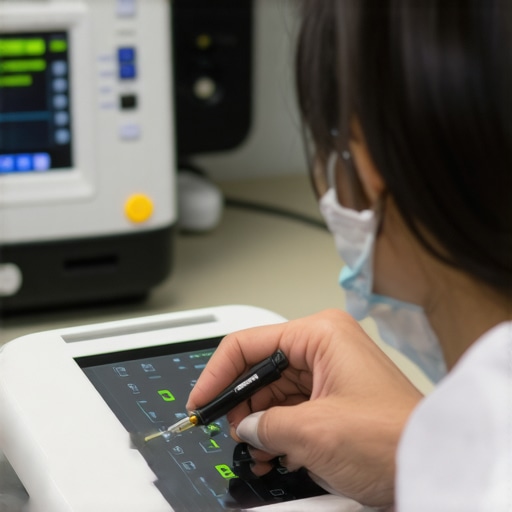
What I Wish I Knew About Medical Devices Before It Was Too Late
One of the most valuable lessons I learned is that not all equipment is created equal—sometimes, a cheaper tool can become a safety liability, especially in high-stakes medical environments. Investing in quality, and understanding the nuances of materials and design, has prevented countless mishaps in my practice.
Overconfidence in routine maintenance can be risky. I used to believe that annual inspections were enough, but real-world experience showed me that frequent, tailored checks are essential for critical devices. Establishing a meticulous routine saved me from unexpected failures that could jeopardize patient safety and trust.
I’ve realized that integrating the latest safety tools and smart monitoring systems isn’t just a trend—it’s a necessity. The peace of mind that comes from knowing your equipment alerts you to potential issues before they become crises is priceless. Upgrading to such systems has dramatically improved my lab’s safety culture.
How I Curate My Ultimate Resource Arsenal for Medical Supplies and Equipment
My go-to resource for in-depth insights is Medical Device Insight. Their comprehensive reviews and safety tips are rooted in real-world testing, helping me make confident decisions about my equipment.
The smart containment solutions article revolutionized my approach to lab safety, emphasizing automation and real-time monitoring that I now rely on daily. Staying informed through trusted publications saves me from costly mistakes and ensures compliance with evolving standards.
Additionally, participating in webinars and forums suggested by industry leaders keeps me updated on emerging technologies, such as AI-powered calibration tools, which I find indispensable for maintaining peak device performance.