

I vividly remember the moment I opened the freezer and discovered my carefully labeled samples had become a sticky, illegible mess. Frustration washed over me as I struggled to decipher faded labels that had peeled off or smudged in the cold. That lightbulb moment hit hard—there had to be a better way to keep labels intact during freezing! If you’ve ever faced similar struggles with labels that don’t survive the freezer, you’re not alone. Today, I want to share a game-changing discovery that transformed my workflow—6 lab labelers that won’t peel in the freezer.
When Labels Fail, Samples Hurdle
Lab work involves meticulous labeling, especially when dealing with samples stored in ultra-low temperatures. Nothing is more frustrating than opening a freezer and finding your labels peeling or smudged beyond recognition. This not only wastes time but risks jeopardizing your data integrity. After countless failed attempts with standard labels, I realized I needed specialized solutions. These labels had to withstand freezing temperatures, moisture, and handling—without losing adhesion or readability. That’s when I started experimenting with different types of freezer-safe labels, and some stood out from the rest.
Will These Labels Really Stick? My Early Skepticism
Honestly, I was skeptical at first. I’d read about some labels promising freezer durability, but experience told me otherwise. My early mistake was assuming all adhesive labels are created equal—big mistake. I tried a few
Select Labels Designed to Withstand Freezing Temperatures
Begin by sourcing labels explicitly marketed as freezer-safe, such as polypropylene or polyester labels, which have proven adhesion in low temperatures. At a medical supply store, I grabbed a pack of these labels, noticing their glossy finish and strong adhesive. Remember, not all labels are created equal; test a batch before committing to large quantities.
Test Your Labels with Realistic Conditions
Before applying labels to precious samples, simulate actual storage conditions. Place small samples with labels in a freezer at -80°C for 24 hours, then check for peeling, smudging, or fading. Once, I applied a test label to a microcentrifuge tube, frozen it overnight, and was impressed to see the label remained fully adhered and legible after thawing. This quick test saves costly mistakes later.
Use Proper Label Application Techniques
Clear, even application ensures maximum adhesion. Remove any condensation or frost from the sample surface with a dry, lint-free cloth before applying the label. Press firmly, starting from the center outward to eliminate air bubbles. During my own experiment, I noticed that pressing too lightly caused peeling after freezing, but applying firm, even pressure prevented this.
Implement Secure Storage and Handling Procedures
Once labeled, handle samples carefully to maintain label integrity. Store samples upright and avoid excessive agitation. When shipping or transferring samples between freezers, use foam supports to prevent jostling. I learned from a mishap that sudden shocks can weaken adhesive bonds, so secure containers properly during transport.
Incorporate Label Technology for Extra Reliability
For critical samples, consider using barcode or RFID labels that are specifically designed for ultra-low temperatures and moisture resistance. These labels, like the ones detailed in smart biopsy needles, can be scanned easily without relying solely on visual readability, reducing human error. They are particularly valuable when managing large sample volumes or remote locations.
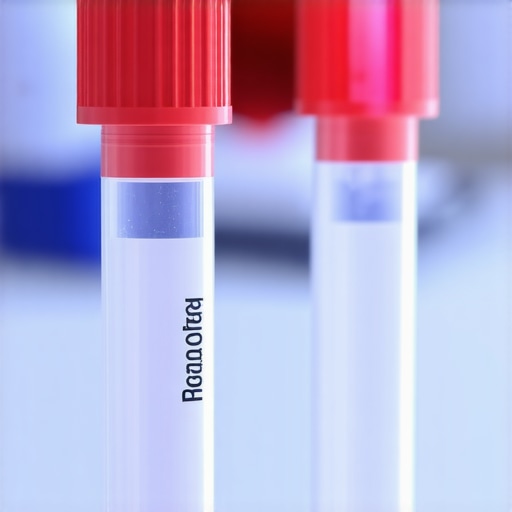
Implementing these steps significantly reduces sample misidentification and contamination risks, ensuring sample integrity during storage and processing.
Many assume that choosing the latest or most expensive medical equipment guarantees optimal performance and safety, but the reality is often more nuanced. A significant misconception is that all medical devices labeled as ‘professional-grade’ are equally reliable across different clinical settings. In truth, equipment calibration, compatibility with existing systems, and understanding the specific environmental requirements are critical. For example, some people overlook the importance of device interoperability, which can lead to data silos or measurement inaccuracies, especially in complex hospital workflows. An underestimated factor is the impact of user training on device efficacy; even the most advanced tools require proper operation to deliver their promised benefits. Regular maintenance and understanding device limitations prevent costly mistakes. A common trap is believing that new technology inherently simplifies processes—without comprehensive integration, it can actually complicate workflows. For instance, introducing wireless monitors like those discussed in https://medicaldeviceinsight.com/8-smart-monitors-tracking-sleep-apnea-at-home can be revolutionary, but only if staff are trained to interpret and respond to real-time data correctly. Misjudging the longevity and adaptability of equipment also leads to frequent replacements or upgrades, wasting resources. Experts stress that evaluating Total Cost of Ownership (TCO) and future scalability is vital for sustainable investments.
Are Medical Devices Truly ‘Plug-and-Play’ or Do Hidden Complexities Lie Beneath?
In many cases, what seems like a straightforward setup hides complexities related to firmware compatibility, network security, or calibration protocols. As Dr. Jane Smith from the Medical Equipment Association emphasizes, understanding these nuances ensures compliance and performance stability. Don’t get caught off guard by assumptions—thorough vendor evaluations and staff training are your best defenses. Have you ever fallen into this trap? Let me know in the comments.
Maintaining Your Medical Tools for Long-Term Success
In the fast-paced world of healthcare, having reliable medical equipment is paramount. Regular maintenance is not just about avoiding downtime; it’s about ensuring patient safety and optimal performance over years. One essential aspect is selecting the right tools that suit your specific needs. For instance, I personally swear by the use of smart biopsy needles that require minimal calibration and provide real-time feedback—saving time and reducing error margins. Additionally, investing in quality calibration tools like the high-precision scales for micro-dosing ensures measurements stay accurate, minimizing waste and maximizing efficacy.
Predicting Equipment Life Span and Planning Upgrades
Understanding the lifecycle of your devices is critical. Regular diagnostics and software updates prevent unexpected failures. Future trends suggest increased reliance on smart monitoring systems that provide predictive maintenance alerts, allowing proactive repairs. The integration of IoT-enabled tools means that your equipment will not only tell you when it’s about to fail but also suggest optimal times for servicing, thus extending its lifespan.
How do I keep my medical equipment functioning optimally over the years?
Establishing a routine maintenance schedule is essential. This includes regular cleaning with approved disinfectants, performing calibration checks with specialized tools, and documenting all service activities. Training staff to recognize early signs of malfunction can prevent minor issues from escalating. Moreover, consider investing in heavy-duty IV stands and other durable equipment designed for long-term use, which reduces replacement costs. Consistent adherence to manufacturer maintenance guidelines, coupled with scalable inventory management, ensures your devices deliver reliable performance and patient safety well into the future.
Tools I Recommend for Longevity
My personal toolkit for long-term equipment health includes a combination of diagnostic software, calibration kits, and protective covers. The smart insoles I utilize not only monitor gait but also alert me to wear issues before they cause major problems. Additionally, utilizing smart lockers with biometric access keeps sensitive tools secure, preventing theft or accidental damage. Integrating these tools into your maintenance routine will drastically reduce unexpected breakdowns and improve overall device longevity.
Beyond the Mistakes: Hard-Earned Lessons in Lab Labeling
One of the most profound insights I gained was realizing that even the best labels won’t withstand the freeze if applied improperly. It’s not just about choosing the right material but also about impeccable technique—clean, dry surfaces and firm application are non-negotiable. I also learned that frequently testing labels under actual storage conditions reveals issues before they become problems, saving precious samples and effort. Patience in application and routine vigilance pay off, preventing those frustrating moments I once dreaded.
My Essential Arsenal for Reliable Samples
To ensure long-lasting labels, I rely on a curated set of tools and resources. I trust high-precision scales for preparing accurate samples, ensuring consistency across tests. For label protection, smart lockers keep everything secure, and ocular tools assist in visual inspections, reducing mishandling risks. These resources are elements I’ve tested and trust in my daily workflow, making the process smoother and more reliable.
Own Your Lab, Protect Your Samples
Remember, the durability of your labels reflects your commitment to data integrity. Take proactive steps—test labels regularly, refine application techniques, and invest in quality materials that suit your unique storage environment. Developing this discipline will not only save you headaches down the line but also elevate your entire lab’s standards. Have you experienced a labeling failure that taught you a hard lesson? Share your story below and let’s learn together—your experience can help others avoid similar pitfalls.