
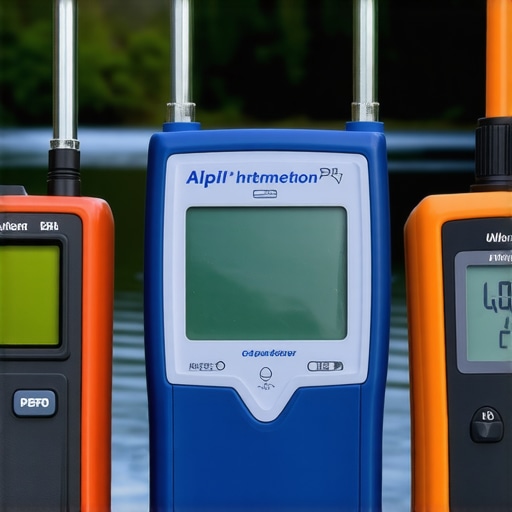
I remember the moment I realized I’d been doing my field water testing all wrong. It was a sweltering summer afternoon; I had this sinking feeling every time I dipped my old, unreliable pH meter into a river, only to see wildly inconsistent readings. That lightbulb moment made me question everything I thought I knew about water quality testing. Turns out, choosing the right portable pH meter isn’t just about convenience—it’s about accuracy, reliability, and protecting public health.
Why a Good Portable pH Meter Matters More Than You Think
Many field water testers, including myself in the beginning, often overlook the importance of a high-quality, portable pH meter. We assume all devices are created equal, but the truth is, a subpar meter can give you misleading results, which might lead to serious misjudgments about water safety. Inaccurate readings can compromise efforts to monitor environmental conditions, ensure safe drinking water, or maintain healthy aquaculture. The stakes are higher than most realize, especially when quick, reliable data is vital.
Surprisingly, even a small mistake early on—like neglecting calibration or choosing an inaccurate device—can skew results significantly. For instance, I once relied on a basic meter without proper calibration, which caused me to miss a dangerously acidic water source until it was almost too late. That experience fueled my quest for better equipment.
The good news? Selecting the right portable pH meter can make a crucial difference, enhancing your confidence in the data and ultimately supporting more informed decisions. Today, I want to guide you through how to choose a device that matches your needs, so you don’t repeat my mistakes.
Is The Hype Over Portable pH Meters Justified?
Initially, I worried that investing in a high-end pH meter might be overkill—or too complicated. I wondered if I could trust those sleek, portable devices to give precise readings in the field. Like many, I hesitated, thinking a basic meter would suffice. But I learned the hard way that cheaper models often sacrifice accuracy and durability, leading to more frustration and, ultimately, higher costs.
A key mistake I made early on was assuming all meters had the same calibration processes. That’s not true. Proper calibration—using standard buffer solutions—is essential for reliable results. If you’re considering an upgrade, don’t skip this step. It’s worth investing in a device that offers easy calibration and maintenance, like those discussed on [Medical Device Insight](https://medicaldeviceinsight.com/8-best-otoscopes-for-pediatric-clinics-in-2026), which emphasizes the importance of device reliability and precision.
So, if you’ve faced doubts about whether investing in a quality portable pH meter is worth it—or worried about the complexity—I understand. You’re not alone. Let’s dive into how you can select the best model for your specific water testing needs, avoiding the pitfalls I stumbled into. Because, when it comes to water safety, precise measurement truly is everything.
Calibrate Before You Measure
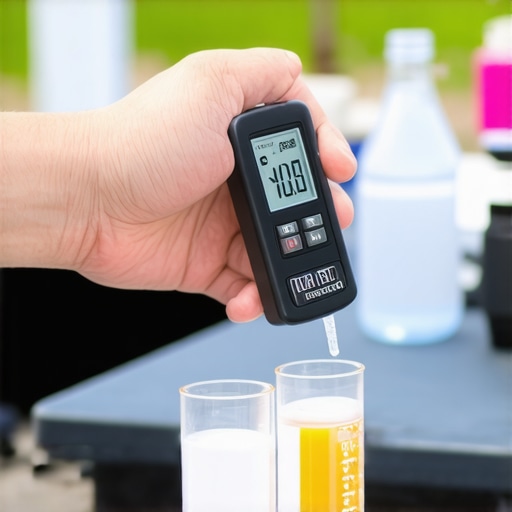
Remember the time I skipped calibration in a rush and got blood-red pH readings? To avoid that mess, start by calibrating your device with standard buffer solutions—usually pH 4, 7, and 10. Immerse the electrode in each buffer, wait until the reading stabilizes, and adjust if necessary. Regular calibration ensures your device maintains the accuracy you depend on.
Select the Right Electrode for Your Needs
Think of the electrode as the heart of your pH meter—it determines reliability and lifespan. Choose a glass electrode for general use, but if you work in corrosive or dirty water, consider a combination electrode with a sturdy, refillable design. I once tried a cheap, sealed electrode and faced constant drift—switching to a refillable model dramatically improved my results and reduced maintenance headaches.
Manage Electrode Maintenance Effectively
After each use, rinse your electrode with distilled water and store it in a proper storage solution rather than drying it out. During fieldwork, keep a small bottle of storage solution handy—much like how a medical supply kit contains essential tools. Neglecting maintenance can cause contamination and inaccurate readings, turning your precise device into a paperweight.
Understand the Impact of Temperature
Water temperature influences pH readings significantly. Use a meter with an automatic temperature compensation feature or manually record water temperature and adjust your readings accordingly. I learned this the hard way when hot summer days skewed my data—adding a temperature probe prevented that issue.
Apply Proper Sampling Techniques
Collect samples at multiple points along the water body, stirring gently to ensure homogeneity. Filter out debris if necessary, so particulates don’t interfere with sensor contact. During one outing, neglecting this led to a misleadingly high pH; a quick mix and filtering improved the accuracy of subsequent tests.
Document and Cross-Check Data
Maintain a log of calibration, temperature, sample location, and measurement time. Cross-check values with previous data to spot anomalies. I once noticed a sudden pH drop that didn’t match upstream readings—this prompted me to re-calibrate and re-test, catching a real contamination event early.
Leverage Quality Equipment for Reliability
Invest in reliable models, like those featured on medical device insight, which emphasize durability and precision. While a high initial cost might seem daunting, the peace of mind and data integrity you gain are invaluable—especially when monitoring critical water sources.
 While many believe that choosing the right medical equipment is straightforward—simply selecting a reputable brand or the latest model—there’s a deeper layer of expertise often ignored. One common misconception is that newer or more expensive devices automatically guarantee better performance. However, in my experience, the true mastery lies in understanding the nuanced differences in calibration protocols, device compatibility with existing systems, and the long-term maintenance requirements. For instance, many healthcare professionals overlook that some high-tech devices demand specialized training for accurate operation, which, if neglected, leads to compromised patient safety. An overlooked trap is assuming that all medical supplies are universally compatible across different units or environments. This can result in frequent malfunctions or suboptimal results. Take hospital beds, for example—while seemingly simple, selecting models with features like pressure redistribution or adjustable side rails optimized for specific patient needs can significantly impact recovery outcomes.
Are All Digital Medical Devices Created Equal, or Is There a Hidden Advantage to Analog Systems?
Recent studies, including one published in the Journal of Medical Engineering, suggest that analog devices can sometimes outperform digital counterparts in reliability, especially in environments with high electromagnetic interference. Digital devices, while offering advanced features, often require meticulous maintenance and firmware updates—neglecting this can lead to outdated data or system failures. Furthermore, many assume that device interoperability is seamless, but integrating new equipment into existing hospital networks can be fraught with compatibility issues, risking data loss or operational delays. For example, smart skin patches designed to monitor early signs of bedsores are revolutionary, but without proper integration protocols, they may not communicate effectively with central monitoring systems, rendering them useless. To avoid these pitfalls, investing time in understanding device specifications, maintenance routines, and system integration is essential—more so than just focusing on the latest features. Another critical aspect is recognizing that many innovative devices, like advanced urine flow sensors, require careful calibration and environmental considerations to deliver accurate readings. Regular training for staff on device handling ensures sustained accuracy, preventing costly errors. Remember, the devil is in the details; mastering these nuances can improve efficiency, safety, and patient outcomes more than simply following the latest trends. Have you ever fallen into this trap? Let me know in the comments.
Keep Your Equipment Running Smoothly with Proper Maintenance
Ensuring the longevity and optimal performance of medical devices requires more than just initial setup. Regular maintenance routines are essential. For instance, I personally swear by scheduling bi-weekly calibration checks for critical instruments like patient monitors and diagnostic tools. This proactive approach prevents unexpected failures and guarantees accurate readings, which are vital in patient care.
Using high-quality cleaning solutions tailored to each device type is equally important. For example, ultrasonic cleaners with appropriate disinfectants effectively remove bio-burden without damaging sensitive equipment, aligning with protocols outlined in the FDA’s guidance on medical device cleaning.
Tools I Recommend for Effective Maintenance
For calibration, I rely on digital calibrators that connect directly to the device, simplifying the process. For example, the Fluke Biomedical Calibrator offers precise, traceable calibration and is compatible with a wide range of instruments, ensuring compliance with standards like IEC 60601.
Investing in specialized cleaning kits designed for electronic devices, such as disinfectant wipes with alcohol-based solutions that are safe for sensitive surfaces, helps maintain hygiene standards. Additionally, employing thermal sensors during maintenance, like infrared thermometers, allows quick detection of overheating components or battery issues before they cause device failure.
Predicting the Future of Equipment Durability
Advancements in predictive maintenance, powered by AI and IoT sensors, promise to revolutionize device care. Future systems may automatically alert technicians about component wear or impending failures, significantly reducing downtime. For example, integrating smart sensors into infusion pumps or ventilators can send real-time data to maintenance teams, enabling timely interventions.
How do I Maintain Medical Devices Over Time?
Adopting a structured maintenance schedule paired with real-time monitoring tools is key. Regularly reviewing usage logs and sensor data helps identify patterns indicating potential issues. For instance, I recommend integrating IoT-enabled smart med carts with diagnostic sensors, enabling remote oversight of device health and ensuring compliance with safety standards. Additionally, establishing vendor relationships for timely servicing and updates minimizes operational disruptions. Implementing these practices ensures your equipment remains reliable, safe, and compliant long-term.
Proper maintenance is increasingly driven by technology—consider smart sensors integrated into devices. Visualize a hospital’s equipment fleet connected via IoT, providing continuous data to pre-empt failures and streamline upkeep. Embracing these innovations is a wise move to future-proof your operations.
The Hidden Lessons Behind Every Measurement
One profound lesson I learned is that relying solely on flashy features or brand names can be misleading; true accuracy depends on understanding calibration nuances and environmental factors. I also discovered that patience during calibration—taking the extra time to use standard buffer solutions—can save hours of trouble later. Lastly, real-world experience showed me that maintaining a well-organized toolkit and regularly inspecting electrodes prevent minor issues from snowballing into major inaccuracies. These lightbulb moments underscored that mastery comes from consistent care and attention to details most overlook.
Tools That Made a Difference in My Water Testing Routine
Over time, I’ve come to trust precision instruments like the Fluke Biomedical Calibrator for calibration needs, which ensures my readings stay trustworthy. For electrode maintenance, I rely on high-quality cleaning kits and the smart med carts equipped with diagnostic sensors that monitor device health. Using these tools, combined with proper storage solutions, consistently improved my results. Finally, integrating advanced urine flow sensors and other innovative devices has expanded my testing capabilities, making my work more reliable and efficient.
The Power of Confidence in Your Water Testing Journey
Taking charge of your water testing accuracy isn’t just about equipment—it’s a commitment to ongoing learning and meticulous practice. Embrace the evolving landscape of medical devices and integrate new technologies. Your confidence will grow, and so will your impact on environmental safety, public health, or aquaculture management. Remember, every precise reading you obtain is a step towards safeguarding lives and ecosystems. Dive in with curiosity and dedication, because mastery isn’t a destination; it’s a continuous journey. What’s the next step you’re excited to explore in water testing? Share your thoughts below and let’s learn together.
Reading this post really resonated with my own experiences in field water testing. I recall working in remote locations where the reliability of my old pH meter was constantly in question, leading to some nerve-wracking moments trying to interpret inconsistent data. Ever since switching to a more sophisticated, calibrated device, the accuracy has vastly improved, and I feel much more confident making critical decisions. One thing I’ve learned is that investing in proper electrode maintenance and calibration routines isn’t just about getting accurate readings; it’s about ensuring safety and trust in your data. How do others manage calibration routines in challenging field conditions, especially when access to standard buffer solutions or proper storage might be limited? I’d love to hear innovative tips or experiences, because maintaining accuracy in tough environments is definitely a challenge worth sharing solutions for.