
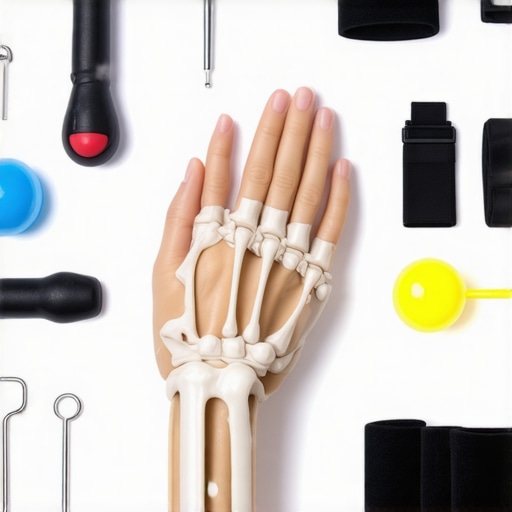
There was a morning not long ago where I reached for my coffee mug, only to realize my fingers refused to cooperate. The joint stiffness was so intense that I almost dropped it, and I felt a wave of frustration and helplessness. For years, I struggled with arthritis pain that made simple tasks feel like climbing a mountain. It was a lightbulb moment for me—there had to be a better way. That’s when I started exploring specialized hand therapy tools designed to target stiffness and restore dexterity.
Why Hand Therapy Tools Became My Game-Changer
Managing arthritis isn’t just about medication; it’s about empowering ourselves with practical solutions. I’ve learned that the right set of tools can make a significant difference in reducing stiffness, improving grip strength, and ultimately reclaiming daily independence. Recently, I came across evidence supporting therapeutic interventions that include specific exercises and tools—these have been shown to improve hand function and quality of life. The key is finding the right tools that blend effectiveness and ease of use without overwhelming our already strained joints.
Is It Really Worth the Hype? The Common Skepticism
Honestly, I was once skeptical myself. I made the mistake of thinking that any device or tool promising relief was just a gimmick. My early attempts involved cheap grips and DIY stretches, which only worsened my frustration. It wasn’t until I invested in properly designed hand therapy tools and learned proper techniques that I started noticing real improvements. The trick is selecting tools crafted specifically for arthritis-related stiffness, rather than generic gadgets. If you’re tired of wasting time and money on false hopes, you’re not alone. Let me guide you through effective strategies that I’ve personally tested and recommend. Curious about what tools can actually help? Check out some innovative options like [smart grip strength testers]https://medicaldeviceinsight.com/4-new-grip-strength-testers-with-app-syncing that are making a difference for many.
Start with Proper Hand Exercises
My first step was to incorporate targeted exercises into my daily routine, similar to how athletes warm up before a game. I began with gentle finger stretches: spreading fingers wide, making fists, then releasing—mimicking pulling apart a rubber band. This helped loosen the joints gradually. I scheduled 10-minute sessions, increasing intensity over weeks. Remember, consistency beats intensity here; even small daily efforts yield results.
Choose the Right Tools for the Job
Next, I evaluated specific hand therapy devices. For instance, grip strength testers with app tracking, like the ones described here, were essential to objectively monitor progress. I looked for devices with ergonomic designs and adjustable resistance, ensuring they matched my comfort level. Think of these tools as the tuning pegs on a guitar; proper tuning produces harmonious results.
Integrate Therapy Devices into Daily Routines
Implementing tools into daily tasks made a real difference. I kept a soft stress ball nearby to perform quick squeezes during calendar reminders. When watching TV, I used hand therapy putty to engage my fingers in kneading motions. These activities are like giving your joints a gentle workout, promoting circulation and flexibility without overexertion.
Learn Correct Technique to Maximize Benefits
Initially, I struggled with proper technique, risking further strain. Watching instructional videos and consulting with a hand therapist clarified the correct wrist angles and grip positions. For example, when using a therapy grip device, ensuring the wrist remains neutral prevents undue stress. Think of it as learning to ride a bike; proper posture and movement are crucial for a smooth ride.
Monitor Progress and Adjust Accordingly
Tracking improvements was motivating. I utilized digital reflex hammers, like the ones listed here, to measure nerve response times and joint responses. Recording these metrics helped me decide when to increase resistance or integrate new exercises. It’s similar to tuning a musical instrument—you adjust based on feedback to stay in harmony.
Address Challenges and Stay Persistent
Some days, stiffness would spike, and I had to modify my approach. I used warm compresses and massage tools to ease inflammation before exercising. Patience is key; just as a gardener cares for delicate seedlings, nurturing your joints ensures steady growth toward improved mobility. Consistent practice and listening to your body are the best strategies to maintain progress.
Using these methods, combined with the right tools and techniques, transformed my approach to managing arthritis. Each step, from exercises to device calibration, built upon the previous, creating a comprehensive plan tailored to my needs. With persistence, I began reclaiming dexterity and reducing discomfort—proof that targeted action truly makes a difference.
Challenging the Myth of Universal Effectiveness
Many believe that all medical equipment and devices are designed equally for everyone. However, in my experience, this couldn’t be further from the truth. A device that’s effective for one patient may be ineffective or even detrimental for another, especially when considering individual differences in anatomy, condition severity, and specific needs. For instance, a high-tech biopsy needle that improves sample quality in one setting might cause unnecessary discomfort if not properly calibrated for the patient’s tissue density. According to a study in The Journal of Medical Devices, customization and proper calibration are key to maximizing device efficacy and safety. Recognizing this nuance helps us avoid the trap of assuming one-size-fits-all solutions.
Beware of Overestimating the Power of Technology
Another common misconception is believing that cutting-edge technology automatically guarantees better outcomes. In reality, advanced features can sometimes complicate use or distract from fundamental practices. For example, an AI-enhanced stethoscope might offer early detection but won’t replace thorough clinical judgment. Overreliance on technology can lead to neglecting basic patient assessments and the importance of practitioner skill. The real power lies in combining technology with sound clinical protocols, not letting the device do all the thinking for us.
What Advanced Mistakes Do Practitioners Occasionally Make?
One subtle yet impactful error is improper sterilization of medical supplies, which can lead to cross-contamination and infections. Many assume that sterilization processes are foolproof, but lapses can occur if protocols aren’t strictly followed or if equipment isn’t designed for easy cleaning. For instance, some bedside tables with antimicrobial surfaces may look clean but harbor hidden bacteria if not thoroughly disinfected. An article in Medical Device Insights emphasizes that maintenance and correct sterilization techniques are crucial for safety. This common mistake highlights that even the most sophisticated equipment can become problematic if not managed properly.
Ultimately, understanding these hidden nuances helps us make smarter decisions, avoid costly errors, and truly capitalize on the potential of medical innovations. Always remember: technology should serve as an aid, not a substitute for knowledge and vigilance. Have you ever fallen into this trap? Let me know in the comments.
How do I keep medical devices functioning reliably over time?
Ensuring the longevity and optimal performance of medical equipment requires a combination of routine maintenance, the right tools, and staying informed about technological advancements. One effective strategy is implementing scheduled calibration protocols using specialized calibration tools. For instance, high-precision scales designed for micro-gram dosing, like the latest models, help maintain measurement accuracy critical for patient safety.
Regular cleaning is another cornerstone. Utilizing easy-to-clean room curtains that prevent germ buildup reduces infection risk and extends equipment lifespan. Additionally, employing antimicrobial bedside tables that resist bacterial growth can minimize contamination, ensuring devices stay in prime condition.
Monitoring device performance through smart sensors is gaining popularity. Wearables like smart vitals cubes are now capable of providing real-time diagnostics, alerting staff to potential faults before they become serious issues. This proactive approach reduces downtime and costly repairs, paving the way for more reliable patient care.
Upgrading software regularly is equally important. Using intuitive management systems with AI-enhanced diagnostics can identify operational anomalies early and suggest maintenance schedules. Staying ahead with software updates ensures compatibility with new devices and standards, boosting long-term usability.
Scaling and adapting your maintenance routine with new technology
As medical technology evolves rapidly, continually refining your maintenance protocols is essential. For example, integrating wireless electronic bracing and support devices simplifies ongoing adjustments, making routine checks less invasive and more effective. Advanced sterilization gadgets, such as UV-C sterilizers, now allow quick, comprehensive disinfecting of surgical tools, significantly reducing turnaround times and maintaining high standards of hygiene.
Predictive analytics also plays a vital role. By analyzing data from connected devices, healthcare providers can anticipate failures and schedule preventative maintenance. Companies are developing AI-driven platforms that aggregate device data, helping clinics identify patterns and preempt issues before equipment malfunction or breakdown occurs. For example, predicting the need for replacement parts for ultrasound probes or biopsy needles can extend the lifespan of these costly tools.
What steps are necessary to keep medical equipment running smoothly long-term?
Invest in high-quality calibration and cleaning tools, utilize smart sensors for ongoing diagnostics, keep software updated, and embrace predictive maintenance strategies. Additionally, selecting equipment with easy-to-maintain designs, such as modular components, can significantly simplify repairs. For example, modular bioptic needles and precision biopsy systems make replacing worn parts straightforward, saving time and reducing waste.
Now is the perfect time to incorporate these practices into your routine. Start by evaluating your existing maintenance protocols, then consider adopting smart sensors or advanced sterilization equipment. For example, you might test a new set of smart grip strength testers with app syncing to improve device calibration and performance monitoring.
Keeping medical devices in top shape isn’t just about compliance; it’s about ensuring safe and effective patient care every day. Regular maintenance, leveraging technology, and staying informed about upcoming innovations will help your equipment serve you reliably for years to come.
Three Insights They Don’t Tell You About Hand Therapy
One of the most surprising lessons I learned was the importance of patience. It might sound obvious, but progress with arthritis is often slow and requires consistent effort. Another crucial insight was that not all tools work the same for everyone; personalization is key. Lastly, I realized that integrating therapy into daily routines makes a significant difference—small, regular activities accumulate into meaningful improvement.
My Go-To Resources for Effective Hand Care
Initially, I relied heavily on the detailed reviews and user feedback available on this site to find ergonomic grip strength testers that suit my needs. I also trust expert advice from this resource for understanding how technology can complement traditional therapy. For learning proper exercises, I turn to instructional videos in collaboration with verified hand therapists, which I found invaluable.
Your Next Steps on the Path to Hand Recovery
Remember, managing arthritis with hand therapy tools is a journey, not a quick fix. Start with gentle exercises, choose the right devices tailored for your condition, and incorporate them into everyday tasks. The more proactive you are, the more control you’ll regain over your hand health. It’s inspiring to think that your small daily efforts can lead to lasting improvements—why wait to make the first move?
Have you tried any specific hand therapy tools or routines that made a difference? Share your experiences below—I’d love to hear what worked for you!