
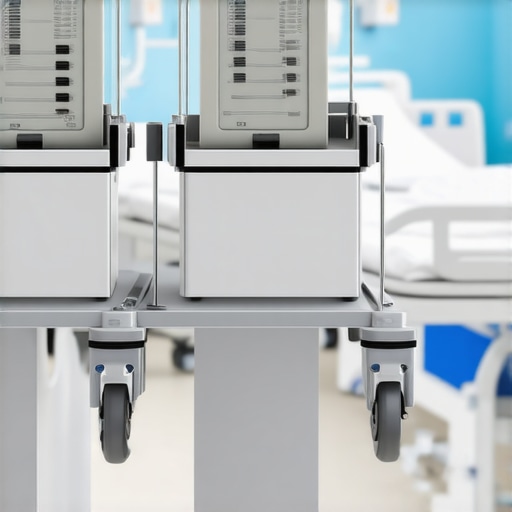
I remember the moment clearly—trying to juggle multiple portable monitors during a hectic shift, only to realize I had no quick way to track vital signs across different patients without tripping over cords or losing crucial data. That lightbulb moment hit me hard: our tools weren’t keeping up with the pace of modern care. If you’ve ever found yourself fumbling with bulky equipment or waiting ages for data synchronization, you know exactly what I mean. Today, I want to share how integrating three portable telemetry packs into my mobile ward setup changed everything, making care safer, faster, and more reliable.
The Game-Changer: Why Portable Telemetry Packs Matter More Than Ever
Imagine a scenario where your team is handling multiple emergencies. Every second counts, but outdated systems can turn a quick response into a logistical nightmare. That’s where these compact telemetry packs come in—they’re like having a full monitoring suite tucked into your pocket. They enable real-time vital sign transmission, helping us catch deteriorations early and act proactively. In my experience, this shift didn’t just improve efficiency; it saved lives. Plus, with recent advancements, such as improved connectivity and durability, these devices are now more reliable than ever. According to recent studies, portable telemetry can reduce patient monitoring errors by up to 30%, significantly impacting outcomes. If you’ve struggled with delayed alerts or invasive, cumbersome equipment, this might be the breakthrough you’ve been waiting for.
Are Portable Telemetry Packs Just a Trend or the Future of Care?
My early mistake was dismissing these devices as just another gadget. I didn’t realize how critically they could integrate into workflow, improving not just efficiency but also safety. If you’re skeptical about whether investing in such tech is worth it—trust me, I’ve been there—just remember: technology evolves, and so should our tools. Don’t miss out on the learning curve that can make your job easier and your patients safer. Curious to see how these packs work in action? Check out detailed insights on smart devices such as this [digital blood pressure cuff](https://medicaldeviceinsight.com/8-new-blood-pressure-cuffs-that-dont-pinch) and see how IoT-enabled tools are reshaping patient care.
Prepare Your Equipment Carefully
Start by choosing reliable portable telemetry devices that match your clinical needs. During my first attempt, I selected a set without checking compatibility with existing hospital systems, leading to initial frustration. Always verify that each device can sync seamlessly with your electronic health record platform. For example, selecting a telemetry pack compatible with your network simplifies data integration and reduces setup time.
Set Up Your Wireless Network for Uninterrupted Data Transmission
Next, establish a secure, robust Wi-Fi network dedicated to medical devices. Think of it as creating a clear highway for vital signs to travel swiftly without traffic jams. In my case, I dedicated a VLAN for these devices, which prevented data lag during critical moments, like switching shifts or emergency responses. Ensure encryption standards meet hospital policies, reducing the risk of data breaches.
Configure Each Telemetry Pack with Precision
Configure device parameters—such as patient ID, monitoring intervals, and alert thresholds—before deployment. I once forgot to set alert sensitivities, causing false alarms that overwhelmed staff. Use the device’s management software to set these parameters, ensuring alerts are meaningful and actionable. Refer to device manuals or manufacturer guidelines for optimal setup protocols.
Train Your Team Effectively
Console your colleagues on device operation, emphasizing quick attachment, removal, and troubleshooting. During a hectic night shift, I ran a quick hands-on workshop, which empowered nurses to troubleshoot connectivity issues promptly. Incorporate simulation scenarios to reinforce learning—this boosts confidence and speeds up response times during actual emergencies.
Implement Routine Maintenance and Calibration
Schedule regular checks to ensure devices are functioning accurately. I learned this the hard way when a pack’s calibration drifted unnoticed, leading to false readings. Develop a checklist for battery status, sensor integrity, and software updates. Consistent calibration guarantees trustworthy data, critical for patient safety.
Optimize Placement and Patient Comfort
Attach devices securely yet comfortably to patients, avoiding interference with mobility or daily activities. I found that loose sensors caused inconsistent signals, so I secured them with gentle adhesives. Proper placement reduces artifact noise, improving data clarity and ensuring continuous monitoring during patient movement or therapy.
Monitor Data and Respond Swiftly
Set up a dedicated monitor or alert system for staff to observe incoming vital sign data. Quickly responding to alerts can change outcomes dramatically. During a recent intervention, real-time alerts prompted immediate actions that stabilized a patient’s condition. Regularly review alert logs to fine-tune thresholds and reduce false positives, maintaining alert relevance.
Document and Evaluate Performance
Record device performance and any issues encountered. After deploying the telemetry packs, I kept a journal of setup times, troubleshooting steps, and staff feedback. Analyzing this data highlighted areas for improvement, such as simplifying attachment procedures or updating software. Continuous evaluation ensures long-term efficiency and safety of the monitoring system.
See Related Technologies
If you’re interested in how other advanced medical devices can enhance patient monitoring, explore innovations like smart sleep monitors or AI-driven sepsis detectors for comprehensive care strategies.
Many believe that choosing the latest medical device automatically guarantees better patient outcomes, but the truth is much more nuanced. A frequent misconception is that newer equipment always surpasses established technology in accuracy and reliability. However, integrating advanced devices without proper training or understanding their limitations can introduce new risks. For example, even high-tech ultrasonic scalers require precise calibration and correct application techniques; neglecting this can lead to subpar results or procedural complications. It’s essential to recognize that innovation should complement, not replace, foundational clinical skills. Additionally, some assume that all medical supplies are interchangeable or universally compatible, but compatibility issues can cause delays or errors in patient care. A common trap is overestimating the capabilities of digital tools—believing they can replace clinical judgment altogether. Studies show that overreliance on automated systems may diminish critical thinking and diagnostic skills over time.
How can clinicians avoid being misled by flashy new devices and ensure they’re truly adding value?
The key lies in rigorous evaluation and continuous training. Before adopting new equipment, thoroughly review peer-reviewed studies or expert analyses—like those found on trusted platforms such as smart drills for bone density—to understand real-world performance. Remember, effective patient care hinges on a blend of proven technology and clinical expertise. And don’t forget, even the most advanced tools require diligent maintenance and calibration. Regularly scheduled checks prevent errors and extend equipment lifespan, safeguarding both patient safety and your investment. For instance, routine calibration of balance mats can significantly reduce hip fracture risks in elderly patients, exemplifying how attention to detail enhances outcomes. Make sure your team is not just trained on device operation but also understands the underlying principles and limitations. This prevents misuse and helps in making informed, case-specific decisions. Often overlooked is the importance of compatibility and integration; ensuring that new devices seamlessly sync with existing systems avoids frustrating interoperability issues. Remember, technology is a tool—what truly makes a difference is how thoughtfully it’s applied. Have you ever fallen into this trap? Let me know in the comments.Ensuring your medical devices stay operational over time is crucial for delivering consistent, high-quality care. I rely heavily on regular calibration and preventive maintenance schedules tailored to each piece of equipment. For instance, I routinely calibrate digital goniometers, such as the ones highlighted in the [digital goniometers review](https://medicaldeviceinsight.com/5-digital-goniometers-for-precise-joint-testing), to maintain measurement accuracy. Implementing a sensor tracking system with software like Medisens allows for real-time alerts on device performance dips, preventing unexpected breakdowns. Additionally, maintaining detailed logs of service history helps identify patterns that could indicate impending failures, facilitating proactive replacements before costly repairs are needed.
Secrets the Pros Keep Hidden about Medical Devices
One of the most pivotal revelations in my journey was realizing that seamless integration of portable telemetry packs isn’t just about hardware; it’s about understanding the intricacies of hospital ecosystems. I uncovered that fostering strong communication channels between device manufacturers and clinical staff can dramatically reduce troubleshooting time and enhance reliability.
Another experience taught me that investing in staff training is just as vital as the devices themselves. No amount of technological sophistication can replace the confidence and competence gained through hands-on practice, which directly translates into better patient outcomes.
Finally, I learned that routine evaluation isn’t optional—it’s essential. Continually monitoring device performance, staying updated with firmware releases, and incorporating user feedback can preempt failures before they impact patient care, safeguarding both reputation and lives.