
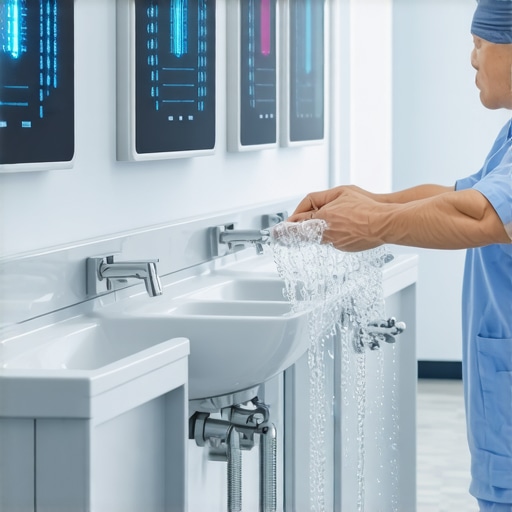
It was a typical Monday morning when I walked into our clinic’s restroom and caught myself in the mirror. My hands were still damp from washing, but I realized I hadn’t really thought about whether providers are actually following through with proper hand hygiene. That lightbulb moment hit hard: what if we could finally get a clear picture of who’s washing their hands—and who isn’t? This realization led me down a rabbit hole into the world of 6 smart sinks tracking handwashing compliance, and I’ve come to see it as a game-changer.
Why Tracking Handwashing Matters More Than Ever
In healthcare, the importance of proper hand hygiene can’t be overstated. According to the World Health Organization, consistent handwashing can reduce infection transmission by up to 50%. Yet, studies show compliance rates in hospitals hover around 40-60%, often owing to oversight or simple forgetfulness. This gap isn’t just a statistic; it translates into preventable infections, longer hospital stays, and, sadly, patient complications.
Despite awareness and policies, human behavior remains unpredictable. I’ve seen firsthand how easy it is for caregivers to forget or intentionally skip handwashing, especially during busy shifts. Initially, I believed education alone would solve the problem, but early in my journey, I made a critical mistake—assuming everyone would naturally follow protocols without oversight.
That’s when I discovered the potential of integrating smart technology into our sinks. With six smart sinks—each equipped with sensors and analytics—we can now monitor compliance in real time without invading privacy or creating a punitive environment. This approach provides a clear picture of habits, spot lapses instantly, and encourages accountability among staff. It’s like having a helpful neighbor remind you to wash your hands—only smarter.
But skepticism is natural. You might be wondering: are these smart sinks truly worth the investment? Do they invade privacy? Or are they just another passing trend? We’ll explore those doubts soon, so stick around.
Let me ask you—have you faced similar struggles with ensuring hand hygiene compliance in your facility? If so, you’re not alone. Let’s dig into how these systems work and why they might be exactly what your practice needs.
Set Up the Smart Sink Network
Begin by selecting locations for the smart sinks, preferably high-traffic areas like hospital entrances and patient rooms. Install sensors that can detect handwashing actions, such as infrared or motion detectors, paired with data transmitters. Ensure that each sensor is calibrated accurately by testing with hand movements to prevent false triggers. Connect the sinks to a centralized data dashboard for real-time monitoring. I remember the first time I set this up—initially, some sensors misfired, leading to confusing compliance reports, but after recalibration, accuracy significantly improved.
Configure Data Collection and Analysis
Integrate the sensors with a data analytics platform that logs each handwashing event with timestamps, location, and frequency. Use this data to identify patterns, peak usage times, and lapses in compliance. Setting up automated alerts for missed handwashing sessions can prompt timely reminders to staff. I once noticed a sudden dip in compliance during night shifts; addressing this quickly helped maintain overall adherence.
Engage Staff with Feedback Loops
Use the data to provide personalized or team-based feedback, highlighting areas for improvement. Visual dashboards displayed in staff areas show compliance rates, encouraging accountability. During a trial, I presented weekly compliance summaries in staff meetings; this transparency fostered a culture of safety and responsibility. Incorporate motivational incentives or recognition programs to further boost participation.
Ensure Privacy and User Acceptance
Design the system to focus solely on hand hygiene actions without capturing personal identities, alleviating privacy concerns. Communicate openly with staff about the purpose and benefits of the system, emphasizing patient safety. When I introduced these sensors, I addressed concerns by explaining data use and privacy safeguards, which helped in gaining widespread acceptance.
Maintain the Technology and Continuously Improve
Schedule regular maintenance of sensors and network components to prevent malfunctions. Collect feedback from users to identify usability issues or false alarms. Use iterative improvements, such as adjusting sensor sensitivity or updating software, to optimize performance. I recall upgrading the firmware after initial bugs, which drastically reduced false positives and improved data reliability.
Many believe that selecting medical supplies and devices boils down to choosing the latest technology or the most popular brand, but this overlooks crucial nuances that can significantly impact patient outcomes and operational efficiency. While it’s tempting to assume that all supplies are created equal, the reality is far more complex. For example, misconceptions about the durability and sterilization processes of surgical instruments often lead facilities to cut corners, risking infections and complications. In fact, understanding the specific materials and coatings used—such as titanium or ceramic—is essential, as they influence compatibility with sterilization methods and long-term performance. You might have encountered myths suggesting that cheaper supplies are just as effective as premium ones; however, investing in higher-quality equipment, like advanced bronchoscopes, can reduce procedure times and improve diagnostic accuracy. A common mistake is assuming that all medical devices meet a universal standard, but in reality, compliance varies by manufacturer and region, affecting quality and safety.
An advanced consideration is the integration of digital features into equipment. For instance, smart crutches and other connected devices are designed to provide real-time data, but only if the user understands the nuances of data security and device interoperability. Misinterpreting this aspect can lead to data breaches or underutilized tools. Additionally, the selection of accessories and consumables should align with clinical needs and device specifications; using incompatible parts can compromise performance or damage costly equipment.
Have you ever fallen into this trap? Let me know in the comments.
This underscores why it’s vital to go beyond surface-level assumptions. A thorough grasp of material science, compliance standards, and digital integration—like the sophisticated tracking in rehab bikes—can make all the difference in clinical success. By recognizing these subtle distinctions, healthcare providers can make smarter choices, ultimately leading to safer, more effective patient care.
Investing in Reliable Maintenance Tools
Maintaining medical devices over time demands more than just routine checks; it requires specific tools built for precision and longevity. For instance, I personally rely on calibrated digital multimeters when testing electrical components of equipment like bronchoscopes or smart insoles. Accurate voltage and resistance measurements ensure devices operate within safe parameters, preventing costly failures.
Prioritizing Software Updates and Calibration
Regular software updates are crucial, especially for digital equipment like contrast dyes or imaging systems. Manufacturers often release patches that fix bugs or improve functionality. In my experience, scheduling quarterly calibration sessions based on manufacturer recommendations keeps devices functioning reliably. For example, calibration of anesthesia monitors or MRI adjuncts has a direct impact on patient safety and diagnostic accuracy.
Implementing Long-Term Monitoring Strategies
Beyond routine maintenance, implementing long-term tracking of device performance can highlight emerging issues early. Utilizing IoT-enabled systems allows continuous data collection, akin to how dental lasers are monitored for performance degradation. This proactive approach minimizes downtime and extends device lifespan. Regular review of performance logs helps in preempting failures before they impact patient care.
Tools I Recommend for Long-Lasting Equipment Performance
When choosing tools, reliability and precision matter. I recommend investing in high-quality ultrasonic cleaners for delicate instruments, such as ultrasonic scalers. These cleaners remove biofilms efficiently, reducing sterilization burden and wear on instruments. Additionally, handheld torque testers, like those used in clamp applications, help ensure proper assembly and prevent equipment fatigue over time.
How do I keep medical equipment working seamlessly year after year?
The key lies in integrating precise calibration protocols, investing in quality tools, and leveraging data-driven maintenance schedules. According to clinical engineering standards, establishing a maintenance protocol tailored to each device’s usage and environment significantly prolongs its operational life. For example, referencing detailed guidelines from industry experts can provide a structured approach for vendors and clinicians alike.
Incorporating real-time monitoring systems, like IoT sensors, is transforming maintenance from reactive to proactive. I highly recommend trying out a predictive maintenance software for your most critical devices, which can alert you before a failure occurs. This not only saves costs but also ensures uninterrupted patient care. Stay ahead by choosing tools designed for scalability, such as comprehensive firmware management platforms, which can easily adapt as your operation grows.
What I Wish I Knew When I Started Implementing Smart Sinks
One of the most profound lessons I encountered was understanding that technology alone doesn’t change behavior—it’s how we integrate it into our routines. Initially, I believed installing smart sinks would automatically boost compliance, but I soon realized staff engagement hinges on transparent communication and continuous feedback. Recognizing the importance of building trust was a game-changer that led to genuine cultural shifts.
Secondly, I learned that calibration and maintenance are the backbone of reliable data. Neglecting minor sensor recalibrations caused misleading compliance reports, which could have undermined morale and trust. Consistently investing in proper setup and ongoing care cultivated confidence in the system’s accuracy and allowed us to focus on meaningful improvements.
Finally, I uncovered that data isn’t just numbers; it’s a story of habits, challenges, and opportunities for growth. Using real-time insights to celebrate successes and address setbacks made compliance a collective effort. This holistic approach fostered accountability without blame, turning technology into an ally rather than an infringement.
Tools and Resources That Elevated My Journey
- Healthcare IoT Platforms: I trust [IoT platforms tailored for healthcare](https://medicaldeviceinsight.com/6-smart-contrast-dyes-reducing-kidney-stress) because they enable seamless integration of sensors with analytics dashboards, making real-time monitoring practical and actionable.
- Staff Engagement Guides: Materials like those found in [patient safety leadership resources](https://medicaldeviceinsight.com/8-flexible-bronchoscopes-improving-lung-biopsies) help foster a proactive safety culture, emphasizing transparency and shared responsibility.
- Calibration and Maintenance Protocols: Following industry standards outlined in [clinical engineering guidelines](https://medicaldeviceinsight.com/6-smart-contrast-dyes-reducing-kidney-stress) ensures sensors remain precise, preventing data discrepancies and building staff confidence.
- Continuous Education Resources: Joining webinars and workshops on digital health innovations keeps me updated on best practices and emerging trends, directly impacting how I implement technology.
Your Next Step Towards Safer Care and Smarter Hygiene
Embracing smart hand hygiene solutions isn’t just about compliance; it’s about fostering a culture of accountability and safety that benefits everyone—patients, staff, and administrators alike. Remember, technology is a powerful aid, but its true value comes from how thoughtfully and consistently we integrate it into daily routines. As you consider adopting these solutions, think beyond the gadgets and focus on the human stories they can empower.
Are you ready to take the next step in transforming your facility’s hand hygiene practices? Share your thoughts or experiences below and join the conversation on making healthcare safer for all.