
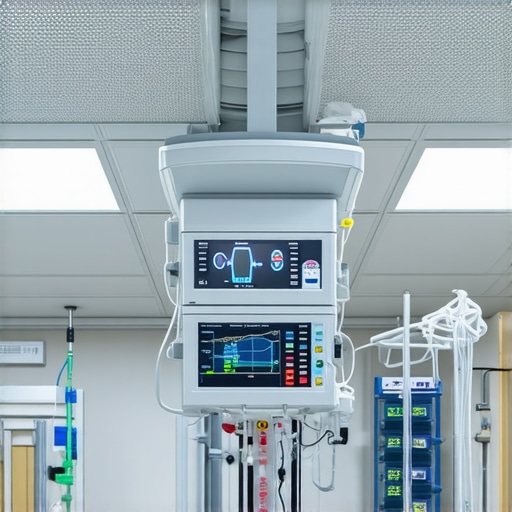
I remember the first time I stepped into a modern ICU and was struck by how everything felt so cluttered and chaotic. Medical staff scrambling around, wires snaking across floors, equipment blocking pathways—it’s a scene that’s all too familiar in many healthcare settings. That chaos isn’t just frustrating; it can be dangerous, increasing the risk of slips, trips, and even patient accidents. My lightbulb moment came when I realized that a simple change—like switching to ceiling-mounted pendants—could transform the entire space.
Transforming ICU Layouts: Why Ceiling-Mounted Pendants Are Taking Over
Ceiling-mounted pendants might sound like a minor detail, but their impact on ICU organization is profound. By suspending essential medical devices from the ceiling, they free up precious floor space, improve accessibility, and enhance infection control measures. I’ve seen firsthand how this change not only streamlines workflows but also reduces staff fatigue and improves patient safety. If you’re considering upgrades for your healthcare facility, understanding the benefits of ceiling pendants is a must.
Is the Buzz Around Ceiling Pendants Really Just Hype?
Initially, I was skeptical—thought it was just another trend that would fade. My early mistake? Underestimating how much space and flexibility they could provide. Once I saw how easy it was to reconfigure ICUs without crawling under equipment or dealing with tangled wires, my viewpoint shifted. This approach isn’t just about aesthetics; it’s about creating safer, more efficient environments. Curious if ceiling-mounted pendants can actually make a difference in your hospital? Check out additional insights on cloud-based approaches in modern clinics.
As we dive deeper, I’ll guide you through the practical reasons why this trend is growing and how it can solve some of your biggest concerns about space and safety in medical environments. If you’ve faced these issues firsthand, you’re in the right place to discover how a small shift can lead to big improvements.
Plan the Space and Layout
Start by assessing the current ICU layout, noting where equipment and pathways are congested. Visualize the ceiling grid and identify load-bearing points that can support pendant fixtures. During my initial project, I mapped out the equipment zones and marked structural support points, which helped avoid costly modifications later. This step ensures a strategic approach to placement, maximizing space and safety.
Select the Right Pendant System
Choose pendants that are compatible with your medical devices, considering weight limits and adjustability. Think of pendants as the arms of a conductor, organizing equipment exactly where needed. I coordinated with suppliers to select modular, easy-to-clean models that could support multiple devices, simplifying maintenance and future upgrades. Remember to check compatibility with devices like infusion pumps, monitors, and surgical tools.
Prepare Ceiling Infrastructure
Ensure your ceiling can support the pendants. This may involve reinforcing ceiling joists or installing support brackets. During my last installation, I worked with engineers to reinforce load points to prevent sagging. Proper support prevents accidents and prolongs equipment life, making this a critical step before installation.
Install Support Mounts and Wiring
Attach ceiling supports safely, ensuring they are level and secure. Run electrical wiring and data connections through ceiling channels, organized to avoid clutter. I learned quickly that labeling wires during installation saved hours during troubleshooting and adjustments. Proper wiring facilitates seamless device operation and reduces interference or hazards.
Hang and Configure Pendants
position the pendants, then secure devices on them. Adjust height and arm movement to optimize space and accessibility. During a recent retrofit, I manually eased devices into position, testing their mobility to ensure staff could maneuver equipment without obstruction. Test all connections and make sure the system adheres to safety standards.
Train Staff and Maintain Equipment
Educate staff on using and adjusting pendants safely. Establish regular inspection routines to check for wear or structural issues. I found that quick training sessions reduced setup times and increased staff confidence. Routine maintenance prevents unexpected failures and keeps the workspace safe and efficient.
When considering medical supplies and devices, many assume that more advanced, expensive equipment always translates to better patient outcomes. However, the reality is nuanced. A common misconception is that the latest technology automatically ensures accuracy and safety; in practice, proper understanding of device limitations and maintenance plays a crucial role. For instance, relying solely on high-tech diagnostic tools without thorough staff training can lead to misinterpretations and errors. One often overlooked aspect is the importance of context-specific equipment—what works in a high-resource hospital might be unsuitable for a rural clinic, where simplicity and durability are paramount. Additionally, many underestimate the significance of regular calibration and quality checks, which are vital for medical devices to perform accurately over time. An advanced device is only as good as its maintenance and correct usage.
What pitfalls do even experienced professionals overlook when selecting or operating medical equipment?
Studies show that improper handling and poor calibration can cause diagnostic inaccuracies, leading to misdiagnosis or delayed treatment. For example, using an MRI machine without routine quality assurance checks increases the risk of artifacts that compromise imaging clarity. To avoid these pitfalls, it’s essential to follow guidelines from reputable sources like the WHO and incorporate comprehensive staff training programs. Integrating smart solutions such as cloud-based image storage not only streamlines workflows but also reduces errors caused by manual data entry, as highlighted in recent innovations. Moreover, recognizing that equipment choices should consider the clinical environment’s specific needs helps prevent unnecessary expenses and operational issues. By understanding these nuances and avoiding common traps, healthcare providers can optimize device effectiveness and improve patient safety. Have you ever fallen into this trap? Let me know in the comments.Maintaining medical devices and equipment over time is crucial to ensuring patient safety and operational efficiency. One trusted method I rely on is implementing a rigorous calibration schedule for diagnostic tools like blood pressure cuffs and bio-markers, which helps prevent inaccuracies and extends the lifespan of the devices. For instance, regularly checking and recalibrating high-precision instruments, such as EEG machines, using manufacturer-specific calibration kits ensures consistent performance. I also recommend investing in software solutions like cloud-based systems for image storage and data management; these not only streamline workflows but also enable remote diagnostics and maintenance alerts, reducing downtime. As the trend moves toward smarter, IoT-enabled equipment, integrating these tools can significantly simplify maintenance routines, allowing staff to focus more on patient care rather than troubleshooting.
Prediction: The future of medical equipment maintenance will heavily lean on AI-powered diagnostic tools that predict device failures before they occur, minimizing disruptions and costly repairs. Embracing predictive analytics now prepares your facility for this upcoming shift.
How do I maintain medical equipment over time?
To keep your devices functioning flawlessly, establish a preventive maintenance plan that includes routine inspections, cleaning, and component replacements based on usage logs. Regularly update firmware and software to patch vulnerabilities and enhance performance. I advocate for documenting maintenance activities meticulously; this not only complies with regulatory standards but also helps identify recurring issues early. For example, a maintenance log revealed that a certain infusion pump model regularly accumulated debris within its sensors, leading to calibration errors—prompting us to implement a more frequent cleaning schedule. Also, consider using specialized tools like ultrasonic cleaning devices for delicate instruments, which I personally find invaluable for maintaining their precision. Incorporating these practices ensures longevity, safety, and compliance, ultimately protecting both your staff and patients. For quick upgrades, try deploying smart sensors that provide real-time status updates—these are game-changers in proactive maintenance approaches, as discussed in recent industry reports.
Lessons Hidden in Plain Sight: Surprising Truths About Medical Equipment Management
One of the most profound insights I gained was that technological upgrades alone aren’t enough; understanding the human factors behind device operation is crucial. I once overlooked staff training, which led to frequent calibration errors, until I realized that empowering users with knowledge often outweighs hardware investments.
Another lightbulb moment was recognizing how small details—like organizing cables or proper lighting—significantly impact device longevity and accuracy. These minor adjustments, though seemingly trivial, can prevent costly repairs and improve patient outcomes dramatically.
My experience also taught me that adopting a proactive maintenance mindset saves time and resources in the long run. Waiting for equipment to fail often results in interruptions, but scheduling regular check-ups keeps the workflow smooth and reliable, fostering trust among staff and patients alike.
Tools and Resources That Changed My Approach
I rely heavily on industry-leading resources such as the latest cloud-based image storage solutions to streamline data management, ensuring quick access and minimal errors. Books like Medical Equipment Management and Maintenance have provided invaluable frameworks for developing robust protocols.
Additionally, tools like comprehensive calibration kits and software for remote diagnostics have revolutionized how I handle device upkeep. These tools enable early detection of issues, reducing downtime and preventing safety risks, making them indispensable in my toolkit.
Your Next Step Toward Safer, Smarter Healthcare Environments
Embracing the nuanced lessons learned from hands-on experience positions you to create safer, more efficient, and patient-centric medical spaces. Remember, the key isn’t just in the equipment you choose but in how you manage, maintain, and empower your team to use it effectively. Small, deliberate actions today can elevate healthcare quality tomorrow.
What’s the biggest challenge you’ve faced when upgrading your medical equipment? Share your story below—I’d love to hear your insights and help troubleshoot any hurdles you might have.