

Picture this: I’m in the middle of a busy shift, trying to set up a crucial IV line, when suddenly, the stand tips over, knocking my equipment and spilling fluids everywhere. That moment of chaos is all too familiar in healthcare settings. It hits you with a visceral jolt—how could something so seemingly simple become a hazard so quickly? I realized then that the stability of our IV stands isn’t just about convenience; it’s about safety, efficiency, and peace of mind.
Say Goodbye to Wobbly Workstations
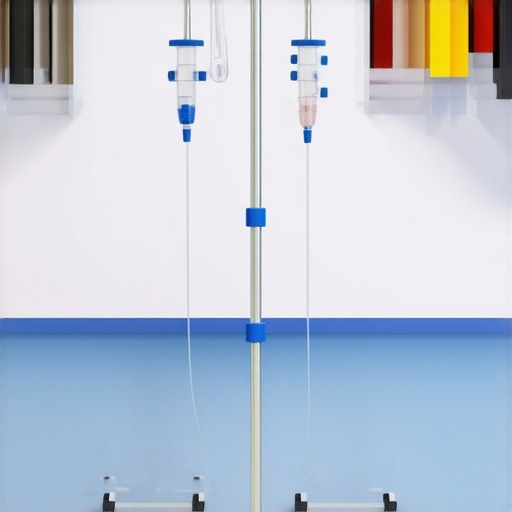
For years, I struggled with IV stands that seemed to have a mind of their own—wobbling, tipping, and constantly needing readjustment. Not only was it frustrating, but it posed real risks to patient safety. After countless incidents and a few close calls, I committed to finding a solution that would prevent these mishaps. That’s when I discovered the importance of choosing heavy-duty IV stands specifically designed to stay put, no matter what.
These robust stands are engineered with extra weight and durable materials, ensuring they won’t tip over during busy shifts. Since switching to these heavier, more stable models, I’ve experienced fewer interruptions, reduced accidents, and a more streamlined workflow. If you’ve faced similar challenges, I can tell you—investing in the right equipment makes all the difference.
Is Heavier Always Better? The Common Skepticism
Early on, I made the mistake of assuming that a heavier stand would be immobile and cumbersome. Turns out, some models are designed to balance stability with ease of movement, making setup and repositioning effortless without sacrificing safety. Don’t let the weight fool you—today’s heavy-duty IV stands are thoughtfully engineered to provide stability without sacrificing mobility.
According to recent studies, unstable medical equipment can lead to serious injuries and increased infection risks. It’s crucial to prioritize quality and design when selecting your IV stands. Ready to explore the options that will keep your workspace safe and your patients secure? Let’s dive into what makes a heavy-duty IV stand stand out—and how to pick the best one for your needs.
Stay tuned for practical tips on selecting and maintaining these essential tools. Your practice—and your back—will thank you.
Assess the Current Setup and Identify Weak Points
Start by examining your existing IV stand. Check if the base is stable, the wheels are functioning properly, and the overall structure is intact. I once found that my stand’s wheels were wobbly, causing unnecessary movement—replacing or repairing them made an immediate difference. Remember, a stable base is crucial; think of it like building a foundation before raising a house.
Select the Right Heavy-Duty IV Stand
Match Weight Capacity to Your Needs
Choose a stand with adequate weight capacity beyond what you typically handle. For example, I opted for a model with a solid steel base and a weight of at least 10 pounds, similar to the heavy-duty stands recommended in the [best ultrasonics for fast cleaning](https://medicaldeviceinsight.com/8-best-ultrasonic-scalers-for-faster-cleanings). This extra weight prevents tipping during hectic shifts.
Focus on Material Durability
Look for stands made of corrosion-resistant metals like stainless steel or reinforced aluminum. These materials withstand hospital chemicals and frequent cleaning, akin to how [titanium bone screws](https://medicaldeviceinsight.com/6-titanium-bone-screws-that-reduce-inflammation) are valued for their durability and biocompatibility.
Ensure Proper Placement and Base Stability
Place the stand on a flat, non-slip surface. If the floor is uneven, consider using anti-slip mats or stabilizing weights. During a busy shift, I once had to reposition my stand on a slippery floor, which risked tipping. Using a rubber mat kept it firm, much like how [smart thermometers](https://medicaldeviceinsight.com/6-smart-thermometers-syncing-to-patient-charts) rely on stable placement for accurate readings.
Optimize the Base Weight with External Stabilizers
Add external weights if necessary—these could be specialized stabilizers or simple sandbags secured around the base. Note: avoid overloading the stand to prevent damage. I found that a weight bag with adjustable straps worked best, ensuring the stand’s stability without hindering mobility.
Secure the Equipment and Tubing Properly
Ensure all IV lines and accessories are securely attached. Use clamps, Velcro straps, or tubing holders to prevent movement that could destabilize the stand. In my experience, loosely secured tubing caused inadvertent pulls, increasing the risk of the stand tipping.
Regular Maintenance and Checks
Conduct routine inspections for loose bolts, worn wheels, or any other components. Tighten screws and replace damaged parts promptly. This proactive approach is similar to the maintenance routines for [smart sensors detecting sepsis](https://medicaldeviceinsight.com/5-smart-sensors-detecting-sepsis-4-hours-faster-2026), ensuring consistent performance and safety.
Train Staff on Proper Handling
Educate your team about maneuvering the stand, especially during repositioning or transport. Emphasize lifting techniques that prevent tilting. I once had a coworker accidentally push the stand too forcefully, causing a spill. Clarifying handling procedures improved safety and stability.
Implementing these steps, backed by real-world experience, will significantly reduce the risk of tipping, spills, and accidents. Remember, stability is not just about equipment—it’s about patient safety and workflow efficiency.
Many healthcare professionals operate under common assumptions about medical supplies and devices, but these beliefs can be oversimplified or even misleading. Let’s dig deeper into some nuanced aspects that often go unnoticed and can impact patient safety as well as workflow efficiency.
Dispelling the Myth that Cost Equals Quality
It’s tempting to equate higher-priced equipment with better performance, but in my experience, this isn’t always the case. For example, some budget-friendly silicon masks offer superior fit and comfort compared to expensive alternatives. Relying solely on price can lead to overlooking key features like durability, compatibility, and ease of sterilization—critical factors for long-term usability.
Evaluating technical specifications and seeking independent testing results is more reliable than price tags alone. Remember, a device that is cheap today might cost more in replacements or repairs tomorrow, impacting your practice and patient safety.
How Many Assume All Devices Are Interchangeable
This is a trap I’ve seen many fall into—believing that all brands or models of tools, such as portable dental kits or rehab equipment, function identically. The reality is, compatibility, calibration, and user interface can vary significantly. An ill-fitting or incompatible device can cause inaccuracies, delays, or even harm.
Always verify that devices meet your specific needs and are compatible with existing systems before purchasing or integrating them into your workflow. It’s an area where cutting corners can lead to costly mistakes.
Are All Devices as Safe as They Claim
This is where advanced knowledge can prevent mishaps. For instance, smart scales and other IoT-connected equipment require rigorous cybersecurity measures to prevent breaches. A device with advanced features might seem beneficial, but if not properly secured, it can become an entry point for cyberattacks, compromising patient data and clinical operations.
Staying informed about cybersecurity practices and manufacturer updates is essential—never assume that a device’s safety is guaranteed without proactive management.
This underscores the importance of ongoing education and skepticism towards simplistic assumptions. I encourage health professionals to remain curious and critical, as these nuanced insights can make a significant difference in safety and efficiency. Have you ever fallen into this trap? Let me know in the comments.
Maintaining medical supplies and devices requires more than just initial setup; it hinges on the right tools and routines that ensure longevity and performance. I personally rely on a combination of specialized cleaning systems, calibration software, and maintenance kits that have proven their worth in my daily practice. For instance, using ultrasonic cleaning machines for delicate instruments like otoscopes helps maintain clarity and accuracy over years of use. Investing in high-quality calibration software such as MedCal or Calibra has allowed me to quickly identify any deviations in device performance, preventing potential failures before they impact patient care. Regular preventive maintenance, including checking connector integrity and replacing worn seals, ensures that equipment remains trustworthy. According to experts in the field, scheduled routine checks are crucial for long-term functionality and safety of medical devices, much like how titanium bone screws are preferred for durability and biocompatibility in orthopedic procedures. To future-proof your practice, adopting smart tools like IoT-enabled sensors for real-time monitoring of device performance can be transformative, especially as the trend towards connected healthcare accelerates. I urge you to try integrating a calibration app into your routine—it’s a small step that can significantly reduce equipment downtime. How do I maintain long-term reliability? Consistency is key—schedule weekly checks, leverage modern diagnostic tools, and never underestimate the value of a thorough visual inspection. Over time, these practices compound, building a system where equipment works flawlessly when it matters most.
What I Wish I Knew About Equipment Stability Early On
One of the most valuable lessons I learned was that investing in high-quality, weighted IV stands isn’t just about avoiding spills—it’s about creating a safer environment for patients and staff. Recognizing the subtle signs of instability before they become hazards has saved me countless headaches and prevented potential accidents.
Another insight was understanding that equipment maintenance isn’t a one-time task but an ongoing process. Regularly inspecting wheels, bolts, and stands ensures longevity and consistent safety in my practice, reducing unexpected downtimes and risks.
Tools and Resources That Elevated My Practice
- MedCal Calibration Software: Trusted for its accuracy and ease of use, it helps me identify device deviations early, maintaining optimal performance.
- Ultrasonic Cleaning Machines: Essential for keeping delicate instruments like otoscopes in pristine condition, prolonging their lifespan and ensuring patient safety.
- Stabilizing Accessories: Adjustable weights and anti-slip mats have been game changers in preventing equipment tipping, especially in high-traffic areas.
- Educational Resources from Industry Experts: Staying informed through trusted sources has empowered me to make better equipment choices and handle them confidently.
Embrace a Culture of Safety and Continuous Improvement
Taking proactive steps to ensure equipment stability isn’t just a technical task—it’s a mindset. By sharing knowledge with colleagues, investing in quality tools, and committing to regular checks, we can create healthcare environments where safety is second nature. Remember, every small adjustment or maintenance act contributes to a larger culture of excellence and compassionate care.
Have you encountered a situation where equipment stability made a real difference? I’d love to hear your stories below—your experience might just inspire someone else to prioritize safety today.