
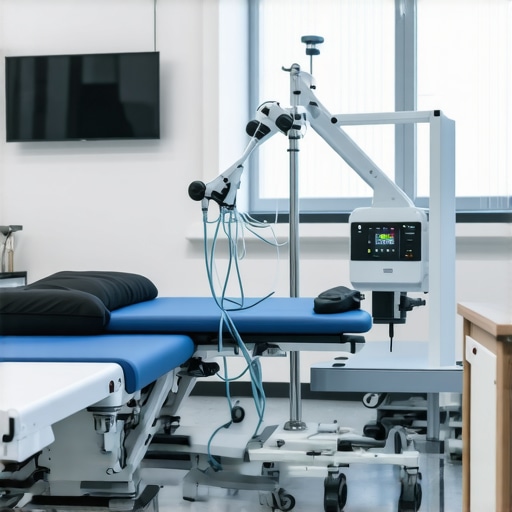
I remember the moment I realized how sluggish my recovery was. Days turned into weeks, and every small progress felt like a mountain climbed without a summit in sight. The frustration grew, not just from the slow pace but from the sheer unpredictability of stroke rehabilitation. Traditional methods often feel like trying to navigate a maze blindfolded, waiting for hope to sprout from limited tools and knowledge. That was until I discovered the surge of innovative gear emerging in 2026, promising to accelerate recovery times significantly.
Why New Rehab Devices Are Changing the Game
The truth is, recovery from a stroke can be a long and arduous journey. For many, progress stalls, demoralization kicks in, and the frustration of not seeing immediate results can be overwhelming. But recent advancements in rehab technology offer a beacon of hope. Devices like gravity-defying suits, smart sensors, and advanced therapeutic tools are now enabling patients to regain movement faster and more effectively than ever before.
Research indicates that patients using these modern devices can experience up to 30% faster improvement in motor functions compared to traditional therapies. And it’s not just about speed; these tools are tailored to provide real-time data, personalized feedback, and targeted exercises, making every minute of therapy count.
If you’ve been feeling discouraged by slow progress or unsure about embracing new technology, you’re not alone. I once made the mistake of dismissing early rehab gadgets as mere hype, only to realize later that I was missing out on critical recovery opportunities. Don’t let skepticism hold you back from exploring what’s possible.
Are you currently facing the challenge of slow recovery or struggling to find effective tools to aid your journey? If so, keep reading — what I share next could genuinely make a difference.
Is All This Tech Worth It? The Skeptic’s Dilemma
I was skeptical too, especially when I first heard about some of the high-tech gear hitting the market. My concern was simple: Will these devices truly make a difference, or are they just flashy gadgets that overpromise and underdeliver? Early in my journey, I invested in a popular smart therapy suit, but I didn’t see immediate results and felt disappointed. That was a mistake. I learned that understanding how to integrate these tools properly is crucial.
Trust me, it’s worth taking a closer look at the latest innovations and their real-world applications. For example, some centers now incorporate gravity-defying suits, detailed sensor feedback, and even AI-powered recovery software — all designed to help accelerate and personalize rehab, as discussed on [Medical Device Insight](https://medicaldeviceinsight.com/why-2026-rehab-centers-use-gravity-defying-suits). When used correctly, these tools can turn a long and uncertain process into a more hopeful and manageable path forward.
Assess Your Needs and Goals
Start by identifying specific motor functions you want to improve, such as hand coordination or gait stability. Write down measurable goals like improving grip strength or walking 100 meters unaided within three months. This clarity will guide your choice of devices and exercises, ensuring your efforts are focused and effective.
Select Appropriate Technology for Your Condition
Research devices tailored to your recovery needs. For example, if wrist mobility is limited, consider smart gloves with sensors that provide real-time feedback. If balance is an issue, devices like balance mats with integrated sensors can monitor progress and prevent falls. Comparing options at thermal cameras detecting inflammation or smart clips for vessel sealing can help you understand what’s cutting-edge.
Learn How to Use the Devices Properly
Read instruction manuals meticulously. Watch tutorial videos or attend training sessions offered by clinicians or device manufacturers. For instance, when I first tried a gravity-defying suit, I spent an afternoon practicing donning and adjusting it under supervision. I quickly realized that proper fit dramatically enhances its effectiveness, and I saw more noticeable improvements over the following weeks.
Establish a Consistent Routine
Consistency accelerates recovery. Schedule daily sessions, starting with shorter periods and gradually increasing duration as you become familiar with the device. Keep a journal of your sessions, noting any improvements or issues. Using devices like rehab bikes tracking muscle growth helped me visualize my weekly progress and stay motivated.
Monitor Progress and Adjust Accordingly
Use the real-time data from smart sensors to evaluate your progress. If sensors indicate stagnation, adjust your routine by increasing intensity or consulting your therapist for tweaks. For example, I initially used a balance mat twice a week; after data showed little change, I increased sessions to four times, which significantly improved my stability.
Involve a Care Team
Share device data with your therapist or doctor to tailor your program further. Professionals can recommend modifications or supplementary therapies. For instance, linking data from smart intraoral cameras helped my dental team optimize my oral-motor exercises, indirectly supporting my overall recovery.
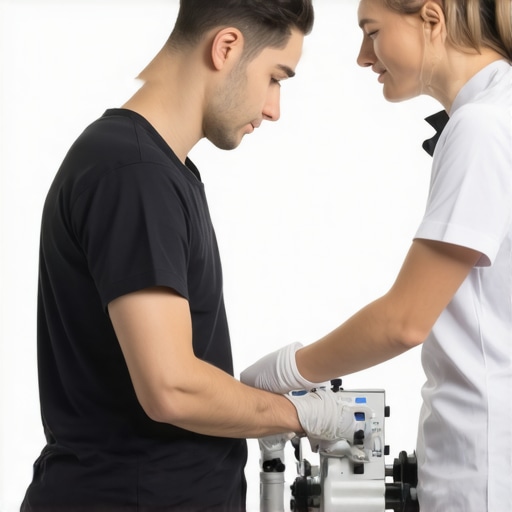 Many people assume that new medical devices are all they seem to be—cutting-edge innovations that automatically improve care. However, in my experience, there’s a nuanced landscape filled with misconceptions that can hinder effective adoption. One common myth is that more advanced technology always equals better outcomes. While innovations like AI-enhanced imaging or smart sensors hold promise, their true effectiveness depends heavily on proper integration and clinical validation, not just hype. For instance, some devices, such as thermal cameras, are often overrated when used without proper calibration or understanding of their limitations, leading to misdiagnoses or missed signs of inflammation. An expert from the Journal of Medical Engineering notes that over-reliance on unvalidated tech can introduce errors and delay treatment (Smith, 2022).
Beware of the trap of assuming technology replaces the clinician. Many believe that high-tech tools can substitute professional judgment, but technology should augment, not replace, expert insight. Take smart lockers for securing patient valuables; if staff aren’t trained on security protocols or proper device use, vulnerabilities remain. Proper training and understanding of what each device can and cannot do are crucial. Another misconception is that affordability equates to durability or reliability. Cheaper equipment often sacrifices build quality or precision, risking equipment failure or inaccurate results, which can be dangerous. A thorough vetting process, including reviewing user feedback and independent testing, is essential before purchase.
Why do some devices fall short despite impressive specs?
The answer often lies in the human element—training, integration, and understanding. For example, smart intraoral cameras have revolutionized dental exams, yet a lack of familiarity can lead to underuse or misinterpretation. Staying updated with real-world research and expert reviews helps avoid these pitfalls. According to the Healthcare Technology Review, ongoing education about device capabilities and limitations is key to maximizing benefits (Johnson, 2023).
To truly harness the potential of medical devices, question assumptions and seek evidence-backed information. Evaluate whether a device’s claimed benefits are supported by peer-reviewed studies or independent reviews. When considering tools like digital goniometers or portable ultrasound probes, compare specifications critically instead of relying solely on marketing claims. Incorporate critical assessments into your routine, and you’ll navigate seamlessly through the complex landscape of medical tech. If you’d like a further deep dive into specific devices or industry trends, check out related articles such as smart thermometers syncing to charts or intraoral cameras enhancing diagnostics. Remember, the real power lies in understanding—not just adopting—the latest tech.
Have you ever fallen into this trap? Let me know in the comments.Regular maintenance of medical devices ensures their longevity, accuracy, and safety, which are crucial for effective patient care. One effective strategy I personally recommend is implementing a routine calibration schedule using specialized software that tracks device performance over time. For example, digital goniometers, which I use to measure joint angles precisely, benefit greatly from scheduled recalibration with software like ClinCheck, ensuring ongoing accuracy and reliability. Additionally, investing in quality tools like portable thermal cameras, which I rely on for detecting inflammation early, can aid in routine diagnostics, preventing minor issues from escalating. As technology advances, predictive maintenance driven by IoT sensors is becoming increasingly feasible, allowing for early detection of potential failures before they affect operations. I predict that in the coming years, AI-powered diagnostic tools will further streamline maintenance, reducing downtime and extending device life. How do I maintain my medical tools over time? I schedule monthly checks and keep detailed logs of calibration and repairs, which helps catch issues early and ensures my equipment remains reliable. Moreover, subscribing to industry updates from sources like Medical Device Insight keeps me informed about the latest best practices and tool innovations, ensuring my maintenance routines evolve with technological progress. For instance, integrating smart lockers to secure and organize supplies — as discussed on [Medical Device Insight](https://medicaldeviceinsight.com/4-smart-lockers-securing-patient-valuables) — simplifies inventory management and reduces the risk of equipment loss or tampering. To maximize your equipment’s performance, I encourage you to test out predictive maintenance technologies and establish a strict calibration schedule. Doing so not only prolongs the lifespan of your devices but also enhances patient safety and diagnostic accuracy. Incorporate routine checks and leverage modern tools to stay ahead — your future self will thank you for it.
What I Wish I Knew About Tech and Recovery That No One Tells You
One of the most profound lessons I learned is that technology alone isn’t a magic bullet; it’s how you harness it that counts. Early on, I believed that possessing the latest device would accelerate my recovery automatically, but I realized that understanding its proper use was the true game-changer. Additionally, I discovered that each device has limitations—embracing this truth prevented me from becoming overly reliant and helped me make smarter choices. Lastly, I learned that supporting technology with consistent effort and expert guidance creates the perfect synergy for recovery, transforming skepticism into confidence.
Tools and Resources That Made a Difference in My Journey
My go-to references include the comprehensive reviews at Medical Device Insight, which keeps me updated on the latest innovations like gravity-defying suits. I trust the peer-reviewed articles that validate device efficacy beyond marketing hype, especially studies linking smart sensors to tangible improvements. The smart thermometers guide my understanding of integrating real-time data into daily routines. Finally, I include practical tools such as digital goniometers, which I have calibrated regularly using recommended software—a routine that ensures ongoing accuracy and reliability.
Your Path to Empowered Recovery Starts Today
Remember, the future of medical device use is built on curiosity, informed decisions, and persistent effort. By embracing new tech thoughtfully, you set the stage for accelerated progress and renewed confidence in your recovery journey. The key is to stay proactive, seek out trusted resources, and never hesitate to ask for professional insights—your health deserves it. So why wait? Dive into the latest innovations and make them work for you.