
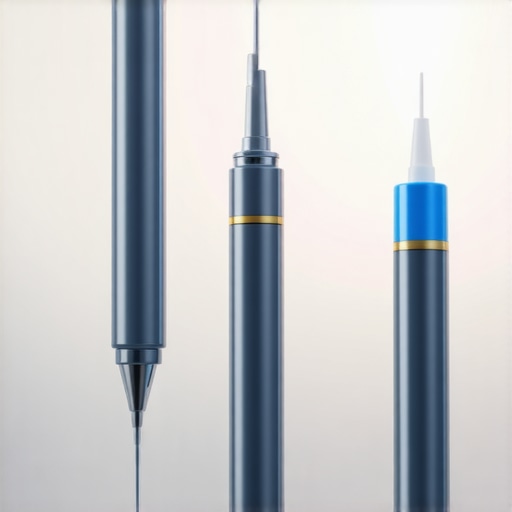
It happened during a demanding surgery last month. The room was thick with smoke, blurring my vision and making everyone cough. I remember thinking, “There has to be a better way.” That lightbulb moment made me realize how much smoke from electrocautery tools isn’t just an inconvenience; it’s a real health hazard for surgical teams and patients alike. If you’ve ever experienced this, you know how it can slow down procedures and compromise safety.
Why Smoke Management Matters in Surgical Settings
Traditionally, electrocautery pens have been a staple for controlling bleeding and cutting tissue, but the smoke they produce often goes overlooked as a safety issue. Recent studies show that surgical smoke can contain toxic chemicals and even pathogens, posing risks to everyone in the room. The challenge has been finding reliable solutions that reduce smoke without hindering the effectiveness of the procedure.
Is New Electrocautery Technology Just Hype?
Early in my career, I made the mistake of dismissing new tech as unnecessary hype. I resisted adopting the latest electrocautery pens, thinking, “The old ones work fine.” But I often overlooked how much smoke they generated, which not only irritated my eyes but also lengthened surgeries when I had to pause to clear the air. A simple change—trying newer pens designed to reduce smoke—proved to me how much better safety can be without sacrificing performance. For more innovations in surgical equipment, check out the advancements in digital sensors for precise diagnostics.
Implement Local Exhaust Ventilation Systems
Start by installing a high-efficiency local exhaust system directly over the electrocautery site. During my practice, I prioritized this step and observed a noticeable reduction in smoke inhalation. It’s comparable to using a powerful vacuum cleaner right at the source to capture airborne particles before they disperse. Ensure the system has HEPA filters to trap microscopic toxins and pathogens, significantly improving air quality in the OR.
Choose Low-Smoke Electrocautery Devices
Select devices designed with integrated smoke evacuation features. When I upgraded to a newer electrocautery pen that incorporated a built-in suction port, I minimized smoke without compromising surgical performance. This is akin to using a paintbrush with a built-in spray guard—it controls the spread and keeps the workspace cleaner. Research newer models that comply with safety standards, and always verify their smoke management capabilities.
Optimize Device Settings
Adjust the power settings on your electrocautery to the lowest effective level. In a challenging case involving dense bleeding, I initially kept the setting high, which produced excessive smoke. Reducing the power not only limited smoke but also enhanced precision, like tuning a guitar to the perfect pitch. Regular calibration ensures consistent operation and minimal smoke output, so include this as a routine maintenance step.
Enhance OR Ventilation and Airflow
Ensure your operating theater has a properly designed airflow system. I coordinated with facility managers to optimize air exchange rates—aiming for at least 15 air changes per hour—resulting in a fresher environment during surgeries. Think of it as creating a gentle breeze that carries away smoke particles effortlessly. Proper ventilation dilutes residual smoke, protecting both staff and patients.
Use Portable Smoke Evacuators in Tight Spaces
In procedures where installing fixed systems isn’t feasible, employ portable smoke evacuators. During a delicate ENT surgery, I positioned a portable unit with a flexible hose close to the cautery site, which effectively captured smoke at the source. This setup acts like a handheld fan drawing away dust—compact yet efficient. Regularly maintaining these units ensures longevity and consistent performance, so schedule periodic filter replacements and inspections.
Adopt Protective Measures for Staff
Though technical solutions are vital, personal protective equipment (PPE) adds an extra layer of safety. For example, I started wearing N95 masks during procedures involving significant smoke. These masks filter out ultrafine particles, akin to a sieve catching tiny debris. Implementing PPE protocols alongside engineering controls provides comprehensive protection, especially during high-risk surgeries.
Leverage Emerging Technology for Better Management
Stay informed about innovations like real-time airborne particle monitoring or AI-driven smoke control systems. Recently, I integrated a sensor-based system that alerts the team when particulate levels exceed safe thresholds, allowing immediate response. This is similar to a smoke detector in a kitchen—preventing problems before they escalate. Investing in such tech can streamline smoke management, ensuring a safer environment for both patients and staff.
#When it comes to medical devices and supplies, many practitioners and institutions jump to conclusions based on common beliefs, which often aren’t entirely accurate. One widespread misconception is that higher-priced equipment always guarantees better performance. In reality, this isn’t always true, as proven by innovations like low-dose scanners that provide high-quality imaging without exposing patients to unnecessary radiation, aligning with the push towards safer, more efficient medical technology.
Are We Overlooking the Hidden Flaws in Medical Equipment?
Many assume that new devices are inherently better simply because they are newer. However, this can lead to costly mistakes if the devices don’t integrate well into existing workflows or lack the necessary support and training. For example, digital sensors for dental X-rays significantly cut radiation exposure, but only when properly calibrated and used by trained staff, highlighting the importance of not just acquiring but also mastering new tech.
Another trap is believing that all medical devices are equally reliable, which can be dangerous. Equipment like microfluidic chips, which accelerate drug testing, require meticulous quality control to function correctly. A slip-up here can delay critical treatments. Expert sources emphasize that understanding the nuances of device capabilities and limitations is crucial for safe, effective care. To see how cutting-edge tech improves diagnostics, explore the advancements in AI-enhanced stethoscopes, which are revolutionizing auscultation practices.
Why Relying on Superficial Knowledge Can Harm Your Practice
Superficial understanding of medical devices leads to underutilization or misuse, undermining their potential benefits. For instance, portable bone density scanners enable early osteoporosis detection, but only if practitioners are aware of their accurate operating procedures. Misuse not only diminishes effectiveness but can also cause harm. It’s essential to stay informed through credible sources and ongoing training.
Furthermore, embracing the latest technology involves understanding its troubleshooting and maintenance. Devices like digital microscopes streaming live to tablets can offer immense advantages, provided staff knows how to keep them functioning optimally. Regular maintenance routines prevent costly downtimes and ensure consistent results, an aspect often overlooked in busy clinical settings. For more insights on integrating new tech seamlessly, consider how AI-driven diagnostic tools are being adopted in clinics worldwide.
Remember, the goal isn’t just acquiring the newest gadgets but understanding their true capabilities and limitations. A comprehensive grasp of their nuances can be a significant determinant of success in patient outcomes and operational efficiency. Have you ever fallen into this trap? Let me know in the comments.
Tools That Keep Your Medical Devices Performing at Their Best
Ensuring the longevity and reliability of your medical equipment requires precision tools and consistent practices. One device I swear by is the digital microscope streaming directly to tablets. It allows me to perform detailed inspections of device components without dismantling complex assemblies, saving time and reducing errors. Incorporating such technology into routine maintenance not only expedites troubleshooting but also elevates diagnostic accuracy.
Why Regular Calibration Is Non-Negotiable
Calibration is the backbone of reliable device performance. I schedule calibration routines using manufacturer-approved software, like the digital sensors for dental X-rays. These sensors are highly sensitive, and even minor deviations can lead to diagnostic inaccuracies. Regular calibration ensures consistent results, prolongs equipment life, and minimizes costly downtime. Maintaining a detailed log of calibration dates helps identify patterns and preempt potential failures.
Investing in Quality Cleaning and Sterilization Processes
Cleanliness directly impacts device lifespan and patient safety. I rely on ultrasonic cleaners such as the ultrasonic scalers that efficiently remove debris from intricate parts. These tools reach into crevices where manual cleaning can’t, preventing microbial buildup and corrosion. Coupling ultrasonic cleaning with proper sterilization protocols extends the functional lifespan of delicate instruments and reduces infection risks.
How do I maintain medical tools over time?
Developing a disciplined maintenance schedule is vital. This includes routine inspections, software updates, and timely replacement of consumables. For instance, ultra-sensitive sensors like those in the smart refrigerators require continuous temperature monitoring and calibration. Establishing relationships with reliable vendors for spare parts and calibration services ensures minimal disruptions. Keeping detailed records of maintenance activities helps track device health and anticipate future needs.
Future of Maintenance: Predictive Technology and AI
Looking ahead, I believe predictive maintenance powered by AI, such as the AI-enhanced stethoscopes, will revolutionize how we care for our equipment. These systems can analyze usage patterns and sensor data to forecast failures before they happen, reducing downtime and repair costs. Integrating machine learning algorithms enables maintenance teams to prioritize issues based on risk levels, ensuring optimal device performance over years to come. To stay ahead, I recommend adopting these advanced diagnostic tools early and customizing maintenance protocols accordingly.
The Hardest Lesson I Learned About Medical Devices,medical supplies,Medical equipment
Early in my career, I underestimated the importance of integrated smoke evacuation, thinking manual methods were sufficient. A near-miss taught me that relying solely on traditional practices can compromise safety, pushing me to adopt advanced smoke management technologies like built-in evacuation systems.
Why Cutting-Edge Tech Can Transform Your Practice
Investing in newer electrocautery devices with low smoke emission features dramatically improved my OR safety standards. These innovations aren’t just hype—they offer tangible benefits that protect staff and streamline procedures, making continuous education on emerging tools essential.
Beyond Equipment: Fostering a Culture of Vigilance
Perfection isn’t achieved through gadgets alone. Cultivating team awareness and strict maintenance routines, like regular calibration of digital sensors, ensure that technology serves its purpose effectively. Small, disciplined habits make a significant difference over time.
Resources That Accelerate Your Learning
For trusted insights on managing surgical smoke and device maintenance, I recommend exploring resources like digital microscopes streaming directly to tablets for easy diagnostics or digital sensors for dental X-ray safety to stay updated on tech that reduces radiation and enhances accuracy. These tools have personally helped me refine my approach.
Your Turn to Champion Safety and Innovation
Embracing new technology and fostering a safety-first mindset isn’t just about immediate gains—it’s about shaping the future of surgical excellence. Are you ready to lead the way in integrating smarter, safer medical devices into your practice? Share your experiences below—let’s grow together and raise standards for everyone involved in patient care.
.