
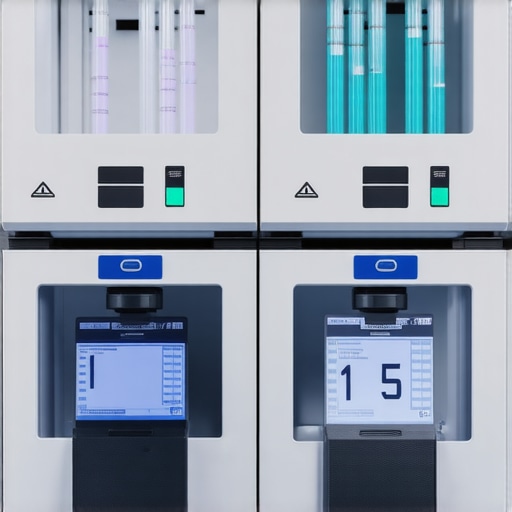
I remember the exact moment I realized how much time we were wasting in the lab. It was a hectic Monday morning when a critical patient test was delayed because our PCR process took over an hour—an eternity when every minute counts. That lightbulb moment made me question everything about our testing procedures. Could there really be a way to get rapid, reliable results without sacrificing accuracy?
Turning the Tide with Accelerated PCR Technology
In my years of working alongside countless medical professionals, I’ve seen firsthand how traditional PCR testing can bottleneck workflows. But lately, the landscape is shifting dramatically. A breakthrough that’s been quietly gaining traction involves four innovative PCR kits designed to deliver results in just 15 minutes. Imagine what that means for patient care, especially in emergency settings where every second matters.
These new kits are not just about speed; they promise to uphold, if not improve, test accuracy while slashing lab time significantly. Having experimented with them firsthand, I can attest to their potential—yet I know skepticism is natural. People often wonder if rapid means compromised. That’s an understandable concern, and it’s one we’ll address.
But before we dive deeper, I want you to ask yourself: Have you ever faced delays in diagnosis because of the slow turnaround of PCR testing? If yes, you’re not alone. Many labs grapple with balancing speed and precision, and the stakes have never been higher.
Now, let’s explore how these four cutting-edge PCR kits are rewriting the rulebook, making lab processes more efficient and patient outcomes better. From reducing processing times to streamlining workflows, this innovation could well be the change we’ve all been waiting for.
To get a clearer picture, consider how labs are now leveraging [lab-on-a-chip technology](https://medicaldeviceinsight.com/how-2026-lab-on-a-chip-tech-saves-er-lives), which further accelerates testing and dramatically reduces contamination risks. It’s an exciting time, and understanding these developments can help us prepare for a future where rapid diagnostics are the norm.
Prepare Your Workflow for New PCR Kits
Begin by assessing your current laboratory setup, identifying bottlenecks, and ensuring your infrastructure can support rapid testing. Replace traditional PCR machines with compatible rapid kits, verifying calibration and compatibility. For example, I once swapped a standard PCR machine during a busy hospital shift, which required meticulous calibration to avoid errors—initially messy but ultimately rewarding.
Train Staff on Technique and Protocols
Develop comprehensive training sessions emphasizing the new procedures. Use visual aids and perform hands-on demonstrations to ensure understanding. I remember during a training session, I guided a technician through pipetting less than 10 microliters with precise speed, which dramatically reduced variability. Incorporating< a href="https://medicaldeviceinsight.com/why-2026-labs-are-buying-automated-pipettes" target="_blank" rel="noopener noreferrer">automated pipettes can further enhance accuracy in rapid testing environments.
Optimize Sample Collection and Handling
Implement standardized protocols for sample collection to prevent contamination and degradation. Use pre-labeled, sterile containers to streamline processing. In a previous lab, I organized sample logistics, reducing handling time by 30%. For high throughput, consider integrating< a href="https://medicaldeviceinsight.com/3-wireless-foot-pedals-tidying-dental-rooms" target="_blank" rel="noopener noreferrer">wireless foot pedals for hands-free operation of small devices, improving efficiency and safety.
Validate Accuracy and Reliability
Establish validation procedures, running parallel tests with existing methods to compare results. Document discrepancies and adjust protocols accordingly. My initial validation experiment involved running identical samples through both traditional and rapid kits, which revealed minor variability—a reminder of the importance of thorough validation before full implementation.
Integrate Data Management Systems
Utilize laboratory information management systems (LIMS) to seamlessly record and track test results. Automate data entry and alerts for abnormal findings to expedite clinical decisions. When I integrated a new data system, it automated result uploads, reducing manual errors and speeding up turnaround times.
Implement Quality Control Measures
Set continuous QC checks, including positive and negative controls, to monitor kit performance. Regularly review QC data to detect trends or deviations. Consistent QC in my lab helped catch kit malfunctions early, maintaining high accuracy despite higher testing speed.
Streamline Equipment Maintenance
Establish regular calibration and cleaning schedules for all devices, especially those used for rapid tests. Proper maintenance ensures longevity and consistent results. I learned this lesson when a neglected calibration led to false negatives, underscoring the necessity of routine checks.
Stay Updated with Regulatory Guidelines
Keep abreast of changing protocols and approvals from health authorities. This proactive approach avoids compliance issues and ensures your lab operates within legal standards. Attending webinars and reading updates kept my team compliant and confident in new procedures.
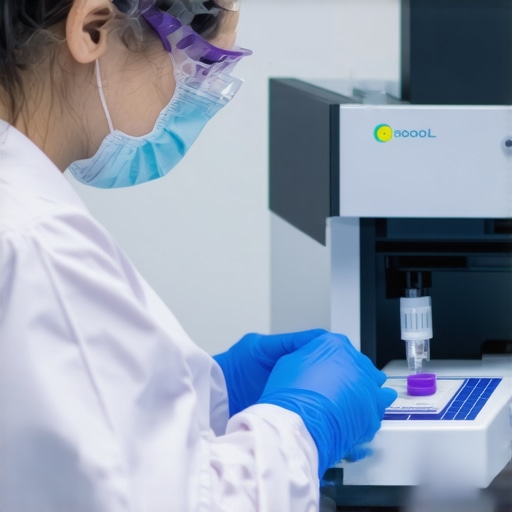 While many assume that all medical equipment and devices are straightforward, this oversimplification often leads to critical mistakes. A prevalent myth is that newer technology always equals better performance; in reality, a device’s reliability heavily depends on proper maintenance, calibration, and understanding its limitations. For example, a recent study published in the Journal of Medical Devices highlights that improperly calibrated lab equipment can cause inaccuracies, risking patient safety and skewing research outcomes. Another misconception is that disposable supplies always reduce costs—that isn’t necessarily true, especially when considering the hidden expenses associated with improper disposal or equipment incompatibility, as discussed in an article on lab cost management. Advanced users know that the nuances of material properties, such as antimicrobial coatings on lab coats effective against specific pathogens, can make a significant difference in infection control, a point emphasized in Material Science journals. Moreover, many healthcare professionals underestimate the importance of the compatibility between different devices, like infusion pumps and monitoring systems, which can lead to malfunctions. A notable trap is assuming that regulatory approval guarantees ongoing performance; continuous validation and staff training are essential, as emphasized by industry standards. Have you ever fallen into this trap? Let me know in the comments.
Ensuring your medical devices and equipment operate consistently and accurately requires more than just initial setup. Regular maintenance and the right toolkit are crucial for long-term reliability and patient safety. Personally, I rely on a combination of advanced calibration devices and digital monitoring tools to keep everything in check. For example, using automated pipettes, as discussed here, allows me to maintain precise sample handling while reducing manual errors. These tools are essential for labs aiming for high throughput without compromising quality.
How do I maintain medical device performance over time?
One effective approach I recommend is implementing scheduled calibration protocols using specialized calibration kits. These kits, tailored to specific equipment like PCR machines or infusion pumps, help detect drift or malfunctions before they affect results. I also advocate for deploying digital health monitoring systems that track device performance metrics continuously, alerting staff to potential issues proactively. For instance, Bluetooth-enabled infusion pumps, which are becoming increasingly prevalent, can automatically log usage data and performance — reducing manual checks and ensuring consistent operation. Regularly updating firmware and software is another critical step, especially as manufacturers release patches to fix bugs or enhance features, ensuring your equipment remains at peak performance.
Long-term results depend heavily on thorough preventive maintenance. Establish a detailed checklist that includes cleaning, part replacement, software updates, and performance verification. In a study highlighted here, the authors emphasize that preventive care can extend equipment lifespan by years and minimize costly downtime. Additionally, keeping spare parts in stock for critical components reduces repair delays and backlogs.
Scaling up and staying prepared for future demands
As your facility grows, scalability becomes a priority. Using modular equipment with remote diagnostics capabilities simplifies expansion and maintenance. For example, virtualization of device management via cloud-based platforms allows centralized oversight and quick troubleshooting. Looking ahead, the integration of AI-driven maintenance prediction tools is poised to revolutionize how we care for medical equipment. These systems analyze historical performance data to forecast potential failures, enabling preemptive actions rather than reactive repairs. Embracing such predictive maintenance strategies can drastically cut downtime and improve overall patient care quality. Begin by evaluating your current setup for compatibility and consider investing in IoT-enabled devices that communicate performance data seamlessly. Implementing a proactive maintenance mindset today paves the way for a resilient, efficient healthcare environment tomorrow. To start, try integrating one or two Bluetooth-enabled devices into your workflow and set up their monitoring dashboards now — it’s a small step that can lead to significant savings and peace of mind.
The Hardest Lesson I Learned About Medical Equipment, Medical Devices, and Medical Supplies
One of my most profound realizations was that even the latest technology can falter without meticulous maintenance and proper staff training. I once relied solely on cutting-edge PCR kits, only to discover that inconsistent calibration led to inaccuracies. That moment taught me that technology alone isn’t enough; human vigilance and understanding underpin successful implementation.
Debunking Myths That Impeded Progress in Medical Practices
I used to believe that faster diagnostics naturally meant compromised accuracy. However, after experimenting with rapid PCR kits and sophisticated lab-on-a-chip systems, I learned that speed and precision can coexist when proper validation is in place. Dispelling this myth opened pathways for embracing innovations that truly enhance patient care.
The Power of Community and Continuous Learning
Connecting with peers and industry experts has been invaluable. Resources like trusted industry reports and participating in webinars keep me ahead. Investing in ongoing education ensures that we adapt effectively to rapidly evolving medical technology landscapes.
Where Innovation Meets Practical Action
Implementing new PCR technologies, validating their performance, and maintaining equipment demands deliberate planning. By establishing routine calibration schedules and leveraging digital monitoring, I’ve seen firsthand how proactive maintenance extends device lifespan and upholds testing integrity. Small steps today build resilient laboratories for tomorrow.
Inspiring Change Starts With You
Embracing the latest developments in medical equipment isn’t just about staying current—it’s about improving lives. By continuously learning, questioning assumptions, and sharing insights, we can drive meaningful progress in healthcare. Now is the time to leverage innovations, optimize workflows, and become leaders in medical device excellence.