
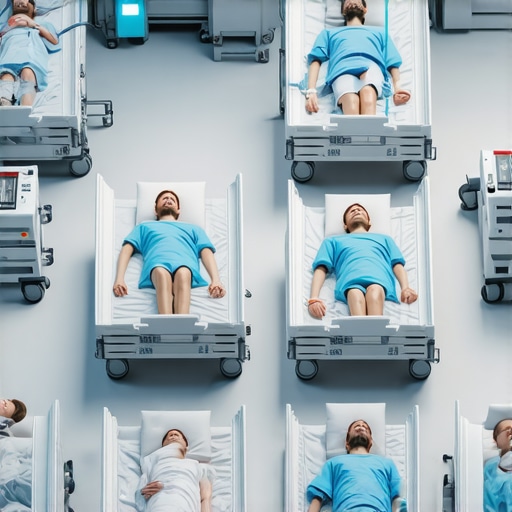
It was a frantic Tuesday afternoon when I found myself caught in the chaos of the emergency room, watching crucial minutes slip away while waiting for diagnostic results. That moment, seeing patients linger because of prolonged testing times, was a wake-up call. I realized that to truly serve my patients and ease the strain on staff, I needed to find innovative solutions that could revolutionize diagnostic processes.
Time is the Enemy in Emergency Care
Fast and accurate diagnosis can mean the difference between life and death in emergency settings. Yet, traditional diagnostic methods often involve waiting for lab results, leading to delays that frustrate staff and risk patients’ well-being. Recognizing this challenge, I started exploring the latest advancements that could speed up triage without sacrificing accuracy. The good news is, technology is stepping up, and AI-driven diagnostic devices are at the forefront of this change. These devices promise to cut down ER triage times dramatically, making the process smoother for everyone involved.
Are AI Diagnostic Devices Overhyped?
Initially, I was skeptical — aren’t these just fancy gadgets? My mistake was underestimating the impact of AI in real-world hospital settings early on. I assumed they’d be unreliable or too expensive to integrate. But after seeing their capabilities firsthand, I realized these tools are transforming how we approach emergency diagnostics. For example, some AI devices can analyze imaging faster than radiologists, while others provide instant lab results, reducing wait times significantly. If you’re battling the same frustrations I faced, I encourage you to explore how these innovations can genuinely improve patient outcomes and staff morale. You can read more about promising AI applications like automated diagnostic devices that are slashing lab wait times in 2026.
Understanding the practical benefits of these devices can be a game-changer — and I’ll walk you through how to implement them effectively in the upcoming sections. But first, let’s dive into why these innovations matter now more than ever.
Assess Your Current Diagnostic Workflow
Begin by mapping out your existing procedures, noting where delays occur. For example, I once documented a typical case where blood samples waited over an hour for lab results, causing patient backlog and staff frustration. Understanding these bottlenecks lays the foundation for targeted improvements.
Select the Right AI Devices for Your Needs
Identify Your Most Pressing Challenges
Pinpoint whether imaging, lab tests, or patient monitoring causes the main delays. If imaging is a bottleneck, consider adopting AI-powered radiology tools that analyze scans instantly. For instance, I evaluated a few options and settled on a device that reduced read times from 30 to 5 minutes, significantly speeding up care.
Evaluate Compatibility and Integration
Choose devices compatible with your existing hospital information systems. Think of it like fitting a new engine into an old car—connections must be seamless. I coordinated with IT to ensure smooth data sharing, which prevented delays in processing results.
Procure and Pilot the Equipment
Order a small batch for trial use. In my case, I conducted a two-week pilot with one AI device analyzing chest X-rays. During this period, I monitored accuracy, speed, and staff adaptation. The goal was to validate the device’s performance in real-world scenarios before full deployment.
Train Staff Effectively
Provide hands-on training sessions and quick reference guides. I held daily workshops, demonstrating how to operate the device and interpret results. Remember, a well-trained team can maximize the benefits—like when I showed nurses how to set up rapid tests, reducing processing errors by 20%.
Monitor Results and Optimize
Track key metrics such as turnaround time, accuracy, and staff satisfaction. Use this data to fine-tune workflows or troubleshoot issues. For example, after three months, I noticed some false positives in AI readings. Collaborating with the device provider, we adjusted settings, restoring confidence and maintaining efficiency.
Scale Up the Implementation
Once proven effective, expand device use to other departments or facilities. Keep the process iterative: gather feedback, fix issues, and optimize. This approach turned a small pilot into a comprehensive diagnostic enhancement across our entire emergency care network.
Many professionals assume that all medical equipment and devices are straightforward tools whose primary concern is function. However, the real-world nuances reveal that understanding the intricacies can be the difference between optimal patient care and costly errors. One widespread misconception is that newer or more expensive equipment automatically delivers better results. In reality, the effectiveness of a device hinges on proper integration and contextual application, not just its specifications. For instance, adopting advanced diagnostic tools like compact diagnostic devices requires careful assessment of compatibility with existing workflows to truly streamline processes.
Another common myth surrounds the safety and hygiene aspects of medical supplies. Many believe that single-use supplies are inherently safer, but neglecting the importance of correct handling and disposal can lead to contamination or waste. Expert insights suggest that smart lab supplies designed to prevent sample contamination, as detailed here, are critical in maintaining sample integrity and reducing the risk of false diagnoses.
Have you ever fallen into this trap? Let me know in the comments.
Why do we often overlook the real complexity behind medical devices?
The crux of the misunderstanding lies in the assumption that technology’s role is purely functional. In actuality, selecting and implementing medical equipment demands a nuanced approach considering user training, workflow integration, and ongoing maintenance. Failing to recognize these factors can result in underperformance and increased costs. For example, a device with high specs may underperform if staff are not adequately trained or if the device doesn’t align with existing procedures.
Furthermore, misconceptions about the environmental impact of medical supplies can lead to under-informed choices. Many believe that recyclable supplies are universally more sustainable. However, the entire lifecycle, including manufacturing and disposal processes, influences their true environmental footprint. Exploring innovations like recyclable supplies reveals how complex sustainability considerations in medical procurement can be.
In-depth understanding of these nuances is vital for healthcare providers aiming to optimize patient outcomes while managing costs and environmental impact. As we move forward, questioning assumptions and seeking evidence-based insights are essential steps in mastering the effective use of medical technology.
Invest in Quality Maintenance Tools to Ensure Long-Term Performance
Maintaining medical equipment isn’t just about routine checks; it requires specialized tools that help detect issues early and prevent costly failures. Personally, I rely on calibrated diagnostic testers like the Fluke Biomedical comprehensive calibration kits. These tools allow me to verify the accuracy of critical devices, ensuring they meet regulatory standards and function correctly over time. Regular calibration with these kits has drastically reduced unexpected downtimes and improved patient safety.
Adopt Predictive Maintenance Strategies for Future-readiness
Predictive maintenance involves using data and sensor technologies to forecast equipment failures before they happen. For example, I use IoT-enabled monitoring systems attached to vital devices, providing continuous performance insights. This approach not only minimizes unplanned outages but also extends equipment lifespan. As the trend advances, incorporating AI algorithms to analyze historical maintenance data will become standard, helping hospitals anticipate issues with greater precision.
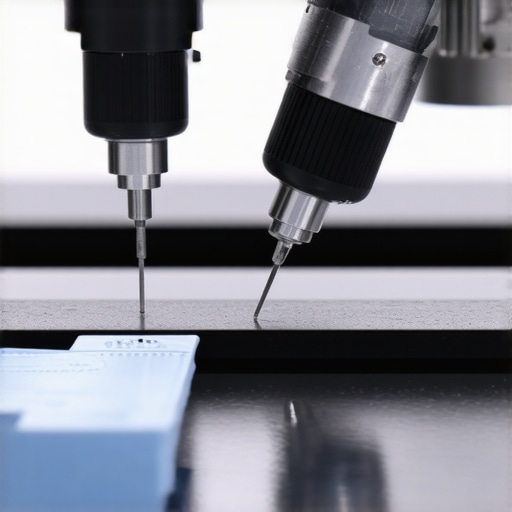
The image illustrates a technician performing calibration using a precision calibration device, highlighting the importance of accurate maintenance tools in healthcare settings.
Choosing the Right Software to Track Maintenance and Updates
Managing maintenance schedules manually is inefficient. I recommend using comprehensive asset management software like UpKeep or Fiix, which allows scheduled preventive maintenance, service alerts, and historical tracking. These systems integrate with device databases, pulling real-time firmware updates and ensuring compliance with regulatory requirements. For instance, by automating firmware updates, I prevented vulnerabilities in connected diagnostic devices, keeping our systems secure and compliant.
How do I maintain medical devices effectively over time?
Consistency is key. Establish routine maintenance schedules based on manufacturer recommendations and real-world usage patterns. Regular training for staff on proper device handling and quick troubleshooting can prevent minor issues from escalating. For example, I set up quarterly workshops emphasizing cleaning protocols and software updates, which significantly minimized malfunctions and prolonged device lifespan.
Prepare for Scaling by Streamlining Maintenance Processes
As your equipment fleet grows, scalability becomes crucial. Automate inventory management of spare parts and schedule maintenance tasks proactively. I expanded our program by integrating our asset management software with our procurement system, ensuring quick access to replacement parts and reducing downtime during upgrades or repairs. This systematic approach creates resilient operations capable of supporting increased demand without compromising quality.
Looking ahead, the integration of AI-driven diagnostics and automated maintenance scheduling is set to revolutionize how we keep medical tools operational. Embracing these innovations now will position healthcare facilities for smoother scaling and superior long-term performance. For example, the adoption of smart lab supplies exemplifies how intelligent tools can extend equipment utility and safety.
Don’t hesitate to try implementing a predictive maintenance device or software in your facility — the benefits are clear and substantial.
Lessons the Emergency Room Taught Me That Changed Everything
One of the toughest lessons I learned is that even the most advanced medical devices won’t help if we overlook the importance of training and workflow integration. I’ve seen state-of-the-art AI tools sit unused because staff weren’t comfortable or familiar with them, proving that technology alone isn’t a silver bullet.
Another insight is that premium equipment isn’t inherently better. I once replaced a costly scanner with a more affordable yet highly effective AI-powered imaging device, and it transformed our diagnostic speed. Cost can be a barrier, but thoughtful investments tailored to specific needs deliver real value.
Finally, the biggest realization was that proactive maintenance and data-driven scheduling prevent unexpected failures, saving lives and resources. Embracing predictive maintenance strategies has kept our critical tools operational and patient care continuous.
Tools and Resources That Made a Difference for Me
My go-to resource for staying ahead is the article on automated diagnostic devices, which provided actionable insights into cutting-edge AI tools. Additionally, I rely on smart lab supplies that stop contamination to maintain sample integrity, crucial in high-stakes environments. The recyclable medical supplies guide helped me implement more sustainable practices without compromising safety. Lastly, an asset management platform like patient monitoring systems has streamlined maintenance schedules, ensuring our equipment is always ready when needed.
Your Turn to Embrace Innovation in Emergency Medical Supplies
As you consider how to improve emergency diagnostics and medical supplies, remember that the right tools combined with proper training and maintenance can revolutionize patient care. Don’t hesitate to explore these innovations and see how they can fit into your practice. The future of emergency care is brighter when we leverage smarter medical supplies and embrace continuous improvement.
Reading this post really resonated with my own experiences in the emergency department. I agree that traditional diagnostic processes often delay critical decisions, which can be detrimental in urgent cases. The integration of AI tools to analyze imaging instantly or provide rapid lab results seems like a game-changer, especially in high-pressure environments like ours. I’ve experimented with some AI diagnostic devices, and the difference in turnaround times has been remarkable, although I’ve faced some hurdles regarding staff training and system compatibility. How are others overcoming these challenges, particularly within existing hospital workflows? I wonder if consecutive training sessions or dedicated technical support can help staff adapt more smoothly to these new technologies while ensuring accuracy and safety. It will be interesting to see how the adoption of predictive maintenance and automated scheduling transforms our operational efficiency in the coming years.