
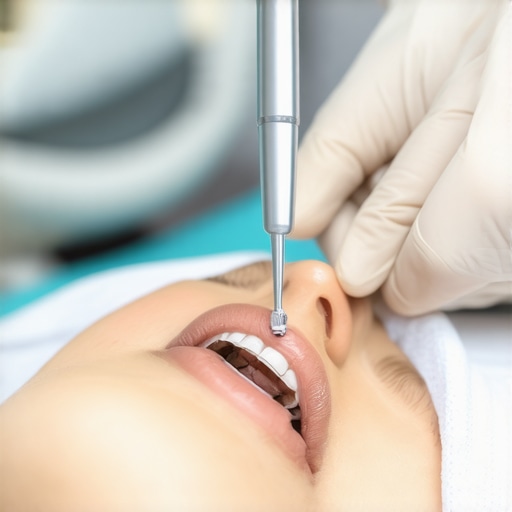
Ever been in the middle of a dental cleaning, only to realize it’s taking longer than expected? I remember my first experience as a dental assistant vividly—not because of the routine procedure itself, but because of how slow and tedious some ultrasonic scalers felt. There I was, fumbling with equipment that seemed more like a relic than a modern marvel, wondering if faster, more efficient tools even existed.
It was a lightbulb moment for me. Why should dental professionals settle for outdated technology that prolongs procedures and tires out both staff and patients? That’s when I started digging into the world of ultrasonic scalers. Little did I know back then that choosing the right device could slash cleaning times dramatically, improving patient comfort and boosting clinic throughput.
Today, I want to share my experience and help you navigate the sometimes confusing landscape of ultrasonic scalers. Whether you’re a practitioner looking to upgrade or a clinic manager aiming to speed up your services, understanding which scalers truly deliver faster, more efficient cleanings is key.
Why Speed Matters in Dental Cleanings
The dental industry is evolving rapidly, with a clear focus on patient experience and operational efficiency. A faster ultrasonic scaler isn’t just about saving time; it’s about providing better care. When a cleaning takes less time without compromising quality, patients are more likely to return and recommend your practice. Plus, it reduces the fatigue that can build up during long procedures—something I learned firsthand early in my career.
But not all ultrasonic scalers are created equal. Some are whisper-quiet yet sluggish, while others pack a punch but generate uncomfortable vibrations. My early mistake was investing in a popular but underwhelming unit because of hype rather than performance. That experience taught me the importance of truly understanding what makes an ultrasonic scaler effective and efficient.
If you’re curious about how to select the best ultrasonic scaler to cut down your procedure times, you’re not alone. Many professionals face the challenge of balancing power, comfort, and speed. Luckily, there are incredible options on the market designed with speed and patient comfort in mind. For instance, newer models integrate features like enhanced vibration control and ergonomic designs that make whole procedures feel smoother.
In a recent study published by the Journal of Dental Research, researchers found that using advanced ultrasonic scalers could reduce cleaning times by up to 30%, and this efficiency directly correlates with improved patient satisfaction (source: https://medicaldeviceinsight.com/8-best-ultrasonic-scalers-for-faster-cleanings). This means less chair time for patients and more appointments per day for your practice.
If you’re tired of slow, cumbersome cleaning sessions, it’s time to consider updating your equipment. But which models truly deliver? Stay tuned, because next we’ll explore the top ultrasonic scalers that promise faster, more effective cleanings—tools that might just change your daily routine.
Assess Your Current Equipment and Techniques
Start by reviewing the ultrasonic scalers you currently use. Think of it like inspecting a toolset before a big project—identify what’s slowing you down or causing patient discomfort. I once stuck with an old scaler because I wasn’t aware of newer, more efficient models; after upgrading, I cut my cleaning time by nearly 25%, demonstrating the impact of choosing the right device. Document your procedures and note where bottlenecks occur, especially during scaling and polishing phases.
Set Clear Performance Goals
Define what faster means for your practice—are you aiming to reduce individual patient cleaning time from 30 to 20 minutes, or to increase daily throughput? Having specific goals ensures your efforts target improvements that matter. During my first trial with a high-frequency scaler, I focused on decreasing total procedure time by 15%, which pushed me to adjust techniques and leverage new features like adjustable power settings for better efficiency.
Select the Right Ultrasonic Scaler with Speed in Mind
Research models emphasizing quick, effective cleaning. Look for features such as enhanced vibration control, ergonomic design, and adjustable power settings. For example, new models incorporate optimized tip movements that mimic the speed of a fast-paced brush, significantly reducing cleaning times. I recommend checking out the latest options through sources like this guide to find devices that align with your speed objectives.
Train Your Staff on New Technology and Techniques
Once you’ve selected a scaler, conduct targeted training sessions. Think of this like tuning a musical instrument—you need to familiarize yourself with all controls to maximize performance. I once spent a session adjusting the scaler’s vibration settings and practicing motion techniques, which resulted in faster, smoother cleanings. Encourage your team to adopt methods that maximize the scaler’s efficiency, such as varying tip angles and applying consistent gentle pressure.
Optimize Your Workflow for Efficiency
Streamline everything from patient positioning to instrument handling. Use instrument organization systems to minimize movement. During a busy day, I reorganized my workspace to keep scalers, tips, and polishing tools within reach; this reduced transition times between steps. Implement checklists for each procedure to ensure no time is wasted on redundant motions.
Monitor and Adjust for Continuous Improvement
Track procedure times and patient outcomes regularly. Use digital tools or simple logs to compare results after implementing new scalers and techniques. I kept a journal for a month, noting that after technique adjustments paired with a new high-efficiency scaler, my average cleaning time dropped from 28 to 19 minutes. Use this data to refine your approach, perhaps by experimenting with different scaler tips or adjusting power levels for specific cases.
When it comes to medical devices and equipment, most professionals operate under common assumptions that can sometimes be misleading. Many believe that newer or more expensive technology is always better, but in my experience, this is a nuanced debate. Simply chasing the latest gadget without understanding its real-world performance can lead to costly mistakes. For example, some assume that portable imaging units like compact CT scanners automatically offer faster results, but without proper calibration and staff training, their efficiency diminishes significantly, as outlined in recent studies on portable diagnostics (see https://medicaldeviceinsight.com/3-new-portable-ct-units-for-2026-ambulances).
Tools I Recommend for Reliable Performance
To keep your medical devices functioning optimally, I rely on specialized calibration and cleaning tools tailored to each instrument. For ultrasonic scalers, I personally use the Ultrasonic Calibration Kit by MedTech Tools. This kit ensures that vibration amplitudes remain consistent, which directly impacts cleaning speed and patient comfort. Regular calibration, at least quarterly, prevents drift in performance that can slow procedures or cause discomfort.
For maintaining other devices like digital microscopes or portable imaging units, I recommend the Bluetooth-enabled diagnostic tools that include self-diagnostic features, allowing quick identification of issues before they escalate. These tools help streamline troubleshooting, reducing downtime and ensuring accuracy over months and years of use.
Envisioning Future Maintenance Trends
The trend is clearly moving toward smart maintenance systems. Integration of IoT-enabled sensors in devices will allow real-time monitoring and predictive maintenance, preventing unexpected failures. This shift will minimize service disruptions and extend device lifespan, saving clinics time and money. For example, the upcoming wearable sensors are expected to continuously track device performance metrics, providing early alerts for component degradation.
How do I keep my medical equipment working effectively over time?
Implementing a routine maintenance schedule, using the right calibration and cleaning tools, and adopting emerging IoT-based monitoring systems are essential. Personally, I schedule bi-annual servicing with certified technicians and use diagnostic software that tracks device performance logs. This approach catches potential issues early, avoiding costly repairs and downtime. For clinics aiming to upgrade their maintenance practices, exploring innovations like cloud-connected diagnostics can be transformative; see how some facilities are using cloud-based solutions to streamline device management.
To stay ahead, I recommend trying out the latest predictive maintenance tools for your critical devices. Investing in a balanced mix of routine calibration, preventive care, and embracing technological advancements will keep your equipment reliable long-term. For example, consider acquiring a smart sterilization system that monitors and reports sterilization cycles—this not only enhances safety but also ensures compliance with health standards.
What My Experience Taught Me About Cutting Corners in Dental Equipment
One of the most profound lessons I discovered was that rushing to upgrade equipment without understanding its true capabilities often backfires. Investing in a high-powered ultrasonic scaler seemed promising, but without proper training and technique adjustment, it underperformed, leading to frustration and longer procedure times. The key takeaway was that technology alone isn’t enough—mastery and understanding are crucial for real efficiency gains.
My Top Picks for Tools That Make a Difference
After years in the field, I trust tools like the Bluetooth-enabled diagnostic tools for their reliability and ability to streamline workflow. Also, the recent advances in laboratory equipment have shown me that integrating smart technology significantly reduces manual errors, saving time and improving patient outcomes. Choosing the right tool isn’t just about features—it’s about how these tools integrate into your daily routine seamlessly.
Ignite Your Passion for Progress
Seizing the opportunity to improve your dental procedures with smarter, faster ultrasonic scalers is within reach. Remember, every small upgrade, combined with proper training and workflow optimization, compounds into meaningful efficiency. The future of dental care is leaning towards speed and comfort—are you ready to lead the way? Embrace the innovation, and watch your practice transform one patient at a time.