
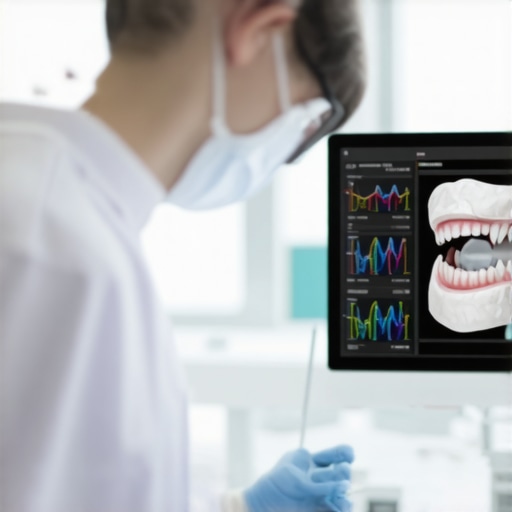
Ever found yourself staring at a seemingly perfect set of teeth, only to worry there might be unseen trouble lurking beneath the surface? I remember one particular patient, convinced their teeth were in top shape, only to discover cavities hidden deep between molars after a more advanced scan. That lightbulb moment made me realize how much I was missing without the right tools. It’s a common scenario—dentists wanting to catch every decay early but relying on traditional methods that sometimes miss the mark.
Seeing Beyond the Surface with AI
Now, imagine a future where tooth decay isn’t hidden from even the most diligent eye. That’s exactly what AI technology promises to deliver—spotting cavities that hide in the shadows, even before they become painful or costly to treat. In my experience, embracing AI has transformed routine checkups into proactive, accurate assessments. The goal? Prevent problems before they become emergencies, save patients money, and keep smiles healthier longer. If you’ve ever felt frustrated by the limitations of standard X-rays or suspect there’s more than meets the eye, you’re not alone. Many dental professionals are now turning to AI-powered tools, like advanced imaging and algorithms, that analyze scans with incredible precision.
Is All This AI Hype Actually Worth It?
Honestly, early on, I was skeptical. I thought, “Can a machine really outperform my trained eye?” In my haste, I made the mistake of discounting early AI tools because they sometimes produced false positives, leading to unnecessary anxiety for patients. But once I understood their potential—especially when used alongside traditional methods—I saw how these tools could be game-changers. Today, I recommend exploring AI solutions that integrate seamlessly with existing equipment. For example, AI-enhanced imaging systems are becoming more sophisticated, like those featured in latest dental imaging tech for 2026. They are revolutionizing how we identify even the tiniest, deepest cavities that previously went unnoticed.
Are you facing challenges with early detection? Do traditional tools leave you uncertain about always catching those hidden issues? If so, the good news is that advancements in AI are here to assist, not replace your expertise. The key is understanding how to leverage these devices effectively. Ready to learn how AI can help your practice stay ahead of the curve? Let’s dive into the practical steps to incorporate this technology seamlessly into your workflow.
.
Integrate AI Software into Your Workflow Easily
Start by selecting an AI imaging system compatible with your existing X-ray machines. I recall the time I chose a system that seamlessly synced with our digital radiography setup, reducing setup time significantly. Install the software following manufacturer instructions, ensuring your network is secured. Run initial calibration tests, just like tuning a musical instrument, to confirm accurate detection. Remember, choosing software that offers user-friendly interfaces will save your team hours of training.
Train Your Team for Smooth Adoption
Organize dedicated training sessions, akin to rehearsals before a big performance. I once scheduled a workshop where I demonstrated cavity detection using AI tools, which certainly eased the transition for my staff. Emphasize practical hands-on practice to build confidence. Encourage your team to ask questions and provide feedback, fostering a culture of continuous learning. Leverage online tutorials or vendor resources to supplement in-person training. This approach ensures everyone understands how to interpret AI-generated alerts accurately, preventing over-reliance or underuse.
Calibrate and Test System Accuracy Regularly
Establish a routine for calibration, such as weekly checks with known samples or phantom scans. In my experience, inconsistencies often arise from environmental factors; maintaining a stable network and lighting conditions helps. Monitor the system’s detection rates by comparing AI findings with traditional assessments, much like cross-checking a second opinion. Document discrepancies to identify patterns or calibration needs. Periodic validation keeps the AI tool functioning optimally, ensuring reliable cavity detection even in challenging cases.
Optimize Workflow to Maximize Benefits
Adjust your dental exam protocols so AI analysis becomes an integrated step, not an afterthought. I found that positioning scans immediately after initial visual exams, and reviewing AI alerts concurrently, speeds up diagnostics. Use quick-access features to flag high-risk patients for follow-up, similar to how quick response codes streamline information flow. Regularly review case outcomes to refine the process, aiming for early detection of hidden cavities. Streamlining this workflow ensures that AI becomes a natural, value-adding component of your routine checkups.
Stay Informed About AI Advancements and Regulations
Subscribe to industry updates and attend workshops, much like I do, to stay ahead of evolving tech. Keep abreast of updates from vendors, ensuring your system stays current, like updating your smartphone’s apps. Understand data privacy laws and acquire necessary consent forms, paralleling how I inform patients about privacy policies before scans. Being proactive with education and compliance guarantees smooth operation and maximizes patient trust. Continually evaluating new features or alternative solutions can lead to significant improvements in detection and patient care.
Implementing AI in your practice is a multi-step process that requires careful planning and ongoing management. Take it step-by-step, just like assembling a complex piece of equipment, ensuring each phase is executed properly before moving on. This disciplined approach will help you harness the full potential of AI technology, leading to earlier cavity detection, better patient outcomes, and a more efficient workflow.
While many believe that acquiring the latest medical device guarantees optimal patient outcomes, the reality is far more nuanced. A common misconception is that newer technology inherently equals better performance. In my experience, device compatibility, proper calibration, and user training often outweigh sheer innovation. For example, installing an advanced imaging system without ensuring it integrates seamlessly with existing workflows can lead to underutilization and error—meaning you don’t get the full benefit. An often-overlooked nuance is the maintenance schedule: many assume that devices require minimal upkeep, but neglecting routine calibration can introduce inaccuracies. Studies show that improper maintenance can reduce device accuracy by up to 15%, risking misdiagnoses (see AI imaging systems for more insights). This leads us to challenge the myth that newer always means better, emphasizing instead the importance of understanding the device’s life cycle and setting a structured maintenance plan.
Are More Bells and Whistles Actually Helpful or Just Costly Distractions?
Many professionals get lured into purchasing high-end equipment packed with features they rarely use. This ‘feature frenzy’ not only inflates costs but can complicate operation and training. When I advise clinics, I urge focusing on essential capabilities aligned with your practice needs. For instance, a bluetooth infusion pump with straightforward controls can reduce medication errors, but only if staff know how to operate it correctly—highlighting the importance of targeted training over unnecessary features. Beware of the trap where vendors overstate features’ benefits, leading to inflated costs without commensurate improvements in patient safety or workflow efficiency. Conduct a careful needs assessment and consult independent reviews to avoid these pitfalls, ensuring your investment truly elevates care quality.
How do I keep my medical tools and devices running smoothly over time?
Maintaining medical equipment isn’t just about regular cleaning; it’s about implementing a structured maintenance routine that ensures long-term accuracy and reliability. I personally rely on scheduled calibration and routine software updates for our digital imaging systems, which are critical for delivering precise diagnoses. For example, our digital X-ray units are calibrated monthly, and firmware is updated quarterly to incorporate the latest AI-driven enhancements, reducing errors and ensuring compliance with evolving standards. Additionally, investing in quality tools like Bluetooth infusion pumps with error-reducing features has significantly minimized medication errors, but only when properly maintained and regularly checked for software glitches. Creating a logbook for maintenance tasks helps track performance issues and plan repairs before critical failures occur. Looking ahead, automation in maintenance, such as predictive analytics that alert you to potential device failures before they happen, will become standard in medical facilities, reducing downtime and costs. You should also consider the environment in which your equipment operates—stable temperature and humidity levels prevent malfunctions and prolong device lifespan. Using dedicated tools for cleaning and sterilization that are compatible with your devices dramatically reduces wear and tear, preventing costly replacements. By adopting these practices, you can safeguard your investments and ensure consistent, high-quality patient care. Don’t forget, regular training for staff on proper handling and maintenance extends device life and ensures optimal performance. Want to streamline your maintenance routine? Start by integrating calibration schedules with automated alerts to stay ahead of potential issues. This proactive approach can save significant costs in the long run and improve patient outcomes.
Reflecting on my journey with AI integration, I realized that the real game-changer wasn’t just the technology itself but how we embraced a culture of continuous improvement. One insightful lesson was understanding that no device, no matter how advanced, can replace the nuanced judgment and experience of a dedicated professional. Instead, the true power lies in blending innovative tools with diligent maintenance and ongoing training. This synergy fosters a practice environment where early cavity detection becomes routine, not a rare achievement, safeguarding patient smiles and trust.
Lessons That Transformed My Approach to Dental Tech
- Consistency Over Complexity: The most sophisticated AI systems flourish when integrated seamlessly into daily routines. I’ve seen clinics thrive by simplifying workflows rather than overloading with unnecessary features, focusing instead on core AI strengths like detecting hidden cavities.
- Patient Communication is Key: Educating patients about AI’s role boosts their confidence and compliance. Explaining that these tools are adjuncts, not replacements, reassures them and enhances overall care satisfaction.
- Maintenance Matters: Regular calibration and system checks are vital. My lightbulb moment was realizing that neglecting routine upkeep diminishes detection accuracy, risking undetected issues.
- Training Empowers: Hands-on, scenario-based training for staff turns skepticism into mastery. Investing time here pays off through faster diagnoses and reduced false positives.
Tools That Have Made a Difference for Me
- Latest AI-enhanced imaging systems: Their precision has shortened diagnostic times and improved cavity detection rates.
- User-friendly software platforms: Easy interfaces that my staff can adopt swiftly without sacrificing functionality.
- Routine calibration tools: Regular checks that ensure consistent detection accuracy, reducing missed issues.
- Patient education resources: Materials that demystify AI’s role, fostering trust and cooperation.
Your Next Step with Cutting-Edge Dental Care
The future calls for practices that embrace technology without losing sight of human touch. By focusing on proper device integration, regular maintenance, and staff training, you set the stage for early cavity detection and superior patient outcomes. Remember, investments in quality tools don’t just enhance diagnostics—they transform your entire approach to dental health. Ready to elevate your practice? Start small, stay consistent, and watch your confidence grow.
What challenges have you faced in integrating AI into your dental workflow? Share your experience below—I’d love to hear your story.
.