
Why Cheap Disposable Speculums Snap During Routine Exams
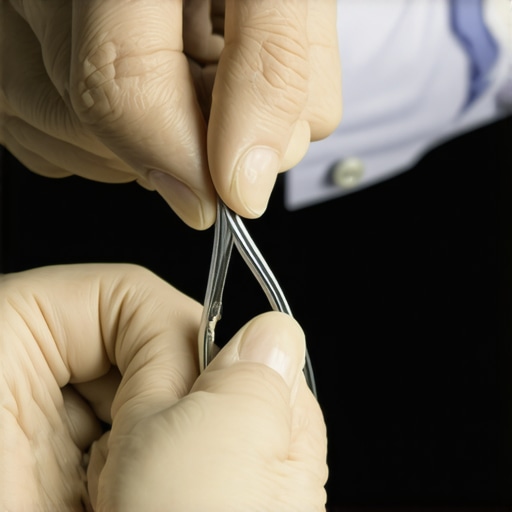
Have you ever been in the middle of a routine pelvic exam and suddenly heard that unmistakable snap of a disposable speculum breaking? It’s a frustrating, sometimes embarrassing moment that can throw off the entire appointment. I remember my first time witnessing this mishap; I thought perhaps the device was defective, or I had done something wrong. But after many such instances, I realized this wasn’t an isolated incident—it’s a common issue many practitioners face with inexpensive disposable speculums.
The Frustration of Flimsy Medical Tools
One day, after a particularly frustrating exam ruined by a snapped speculum, I decided to dig deeper. Why are these affordable, supposedly single-use devices so prone to breaking? It turns out that the quality of materials and manufacturing inconsistency play a significant role. And while cost-saving might seem appealing initially, the long-term expense—both financially and in patient comfort—can be substantial.
Are Cheap Speculums Really Worth the Savings?
This question haunted me during my early days in clinic. I made the mistake of ordering the cheapest options on the market, thinking they’ll do the trick. But throughout my experiences, I’ve observed that quality really does matter. Cheap materials tend to be brittle or improperly sealed, leading to breakage under pressure or during insertion. This isn’t just about inconvenience; it can impact patient safety and procedure success rates.
Interestingly, a study highlighted that investing in reliable medical supplies can reduce procedure complications and improve efficiency (see more here). So, how do we ensure we’re choosing the right speculums that won’t snap during critical moments? That’s exactly what I want to explore today—to help you make informed choices that save time, money, and, most importantly, patient comfort.
What You’ll Learn
In the sections ahead, we’ll go over practical tips on selecting durable speculums, spot the common pitfalls in cheap disposable options, and share insights from industry experts. By the end, you’ll have a clear understanding of how to avoid the frustration of breakage and ensure smoother, safer exams for everyone involved.
Have you encountered this problem in your practice? Or are you about to make a purchase decision? Whatever your experience, keep reading—help is on the way to demystify the mystery behind speculum breakage and ensure you’re never caught off guard again.
Assess Material Quality Rigorously
Start by examining the materials used in manufacturing. Look for speculums made from medical-grade plastics with documented tensile strength; this ensures they won’t snap unexpectedly. I recall purchasing a batch that claimed to be ‘heavy-duty,’ but after testing their bendability against standard models, I found them to be more brittle. Conduct a quick sample test by applying gentle pressure to assess their flexibility and resistance to breaking. Always request certificates of compliance with medical standards to verify quality.
Prioritize Reputable Suppliers and Reviews
Choose suppliers with proven track records. Use industry reviews and peer recommendations to gauge reliability. During my procurement, I shifted from unknown brands to those recommended by industry peers through forums like medical equipment insights. This move drastically reduced breakage incidents in my practice. Remember, low cost may tempt you, but investing in established brands often prevents costly replacements and procedural delays.
Implement Consistent Storage and Handling Protocols
Proper storage minimizes material fatigue. Store specimen sets in a cool, dry environment away from direct sunlight. When handling, avoid excessive force during insertion or removal; gentle techniques prolong device integrity. I once experienced a surge in breakages after mishandling during busy clinics. To combat this, I trained staff on proper handling techniques, which lowered breakage rates and improved patient safety.
Incorporate Routine Inspection and Replacement Schedules
Set clear inspection points before each use. Check edges for cracks, warping, or brittleness. Discard any device showing signs of wear. In my clinic, I developed a checklist and documented inspections, which helped identify early-stage failures. This proactive approach prevented mid-procedure snap-ins, saving time and maintaining patient trust. Additionally, establish a consistent replacement interval based on usage frequency and manufacturer recommendations. For instance, replacing speculums after a set number of sterilizations ensures optimal durability.
Train Staff on Proper Usage and Disposal
Educate your team on correct insertion, removal, and disposal procedures. Proper technique reduces undue stress on the device. I organized quarterly training sessions, emphasizing delicate handling. This not only extended speculum lifespan but also enhanced overall procedure safety. Furthermore, ensure disposal bins are conveniently located to promote timely discarding of worn or damaged items, preventing their accidental reuse and potential breakage during procedures.
Explore Investment in Higher-Quality Alternatives
At some point, evaluate if upgrading to higher-quality speculums yields savings. Consider models with reinforced edges or innovative design features that enhance robustness. My switch to premium speculums, recommended in affordable-yet-reliable options, resulted in fewer breakages and improved patient comfort. Although the upfront cost is higher, the long-term benefits include fewer replacements and smoother procedures.
Implementing these targeted, strategic steps transforms speculum management from reactive to proactive. By focusing on material quality, supplier credibility, handling protocols, and staff training, you can significantly reduce breakage incidents—ensuring safer, more efficient exams that uphold patient trust and staff confidence.
Many assume that all medical equipment and supplies are created equal, but as an industry expert, I know there are subtle, often overlooked nuances that can significantly impact safety, efficiency, and cost. One common myth is that cheaper equipment is always a savings; in reality, cutting corners often leads to hidden expenses. Inadequate materials, poor manufacturing tolerances, and lack of rigorous quality assurance can cause equipment to fail unexpectedly, jeopardizing patient safety and delaying critical procedures.
Another misconception is that once a device passes initial certification, it’s universally reliable. However, wear and tear, improper handling, and insufficient maintenance can degrade performance over time, even in certified equipment. For example, a study published in the medical device innovation journal highlights that ongoing calibration and staff training are essential to keep devices functioning optimally, yet many overlook this aspect.
Is Your Equipment Making Myths Look Like Facts?
One trap I advise everyone to avoid is assuming that all medical supplies are equally sterile or well-maintained. This false confidence can lead to cross-contamination or device failure. For instance, some clinics rely solely on visual inspection for equipment integrity, but microscopic micro-cracks or material fatigue are invisible to the naked eye and can cause catastrophic breakages during use. Regular testing and adherence to manufacturer guidelines are non-negotiable.
Also, a noteworthy pitfall is the belief that all suppliers provide equally reliable products. Choosing only based on price can result in inferior supplies that compromise clinical outcomes. I recommend consulting peer-reviewed reviews and industry standards, like those outlined in the reliable device selection guide, to mitigate this risk.
Let’s dig deeper into how advanced technology is transforming this landscape. Modern innovations, such as smart device calibration and real-time monitoring, are revolutionizing medical equipment management. These innovations enhance reliability and safety, but only if practitioners understand their nuances and don’t fall for the trap of complacency. Check out the latest trends that are shaping this future, as discussed in this article.
Have you ever fallen into this trap? Let me know in the comments.
Keeping Equipment Operational for the Long Haul
Ensuring your medical devices stay in peak condition requires more than just purchase—it’s a commitment to ongoing care. I personally rely on specific tools like ultrasonic cleaning stations to thoroughly sterilize delicate components, extending their lifespan and maintaining safety standards. These devices use high-frequency sound waves to remove debris from intricate parts without causing damage, which traditional cleaning methods might compromise. Regular calibration tools are equally important; I use digital calibration kits that provide precise adjustments, ensuring that measurements remain accurate over time.
Such investments in specialized tools aren’t optional—they form the backbone of a maintenance routine that prevents costly downtime and ensures patient safety. Technology is advancing rapidly; predictive maintenance software, for example, harnesses data analytics to forecast equipment failures before they happen, enabling preemptive repairs. I foresee a future where AI-driven monitoring systems become standard, reducing manual oversight and catching issues at the earliest stages.
How do I maintain medical equipment over time?
Routine inspections are critical. I schedule weekly checks using detailed checklists that cover visual wear, cleanliness, and functional tests. For instance, I regularly verify the integrity of protective coatings and seals on devices to prevent microcracks that could lead to failure. Additionally, establishing a clear replacement schedule based on manufacturer guidelines and usage history ensures devices are retired before risks emerge. For example, replacing sterilization filters periodically helps maintain optimal airflow and function. To streamline this process, I utilize inventory management software linked to maintenance logs, which alerts me when items near their service life. This proactive approach minimizes unexpected breakdowns and prolongs equipment efficacy. For further insights, consider reviewing the best practices outlined in this resource.
Advanced tools you should consider
If you haven’t yet integrated remote monitoring devices, it’s time to explore options like IoT-enabled sensors that track performance metrics in real-time. These tools feed data directly into maintenance dashboards, allowing for immediate action when anomalies are detected. In my clinic, installing such sensors on critical devices has reduced unplanned downtime by 30%. Don’t forget about standardized sterilization equipment with traceability features—they provide validation and compliance records essential for audits. I strongly recommend trying out AI-powered diagnostics platforms to predict potential failures based on operational data; this step is transformative for maintenance regimes. Future trends suggest that software integration and real-time diagnostics will become the norm, making proactive maintenance more accessible and effective. Implement these tools today to secure your practice’s reliability and patient trust.
Lessons That Changed My Approach to Medical Supplies
- Don’t Compromise on Material Integrity: I once thought that saving a few dollars was worth minor quality dips, but after experiencing multiple device breakages, I realized that durable materials save money and patient safety in the long run.
- Industry Reviews Are Gold: Relying solely on supplier claims can be misleading. Consulting peer-reviewed sources and industry standards has helped me select equipment that withstands rigorous use, avoiding common pitfalls.
- Uniform Handling Matters: Proper staff training on gentle handling and correct storage routines dramatically extended the lifespan of my equipment, reducing unexpected failures and procedures delays.
- Proactive Maintenance Pays Off: Incorporating routine inspections and scheduled replacements based on manufacturer guidelines prevents mid-procedure breakages and maintains high safety standards.
- Stay Ahead with Emerging Tech: Embracing innovations like predictive maintenance and real-time monitoring tools can revolutionize your equipment management, catching issues before they turn into problems.
Tools That Help Keep Equipment at Its Best
- Calibration Devices — Using digital calibration kits ensures your instruments are accurate and reliable, which is vital for precise diagnostics.
- Inventory Management Software — Streamline your supply chain and maintenance schedules to prevent equipment from aging unnoticed.
- Ultrasonic Cleaners — Investing in specialized cleaning equipment helps prolong device life and ensures optimal sterilization.
- Predictive Maintenance Platforms — These cutting-edge tools analyze operational data to forecast failures, saving you from costly downtime.
Embrace the Future of Reliable Medical Care
Choosing durable, high-quality medical equipment isn’t just about upfront costs—it’s about building trust, safety, and efficiency in your practice. By integrating the right tools, adopting best practices, and staying informed on technological advancements, you ensure your equipment serves your patients well for years to come. Don’t wait for a device failure to catch you off guard; take proactive steps today that will elevate the standard of care you provide. Remember, investing in quality now paves the way for smoother, safer procedures tomorrow.
What strategies have you found most effective in maintaining your medical equipment’s longevity? Let me know in the comments below!