
Why Most Wheelchair Cushions Cause Pressure Sores and What to Look for Instead
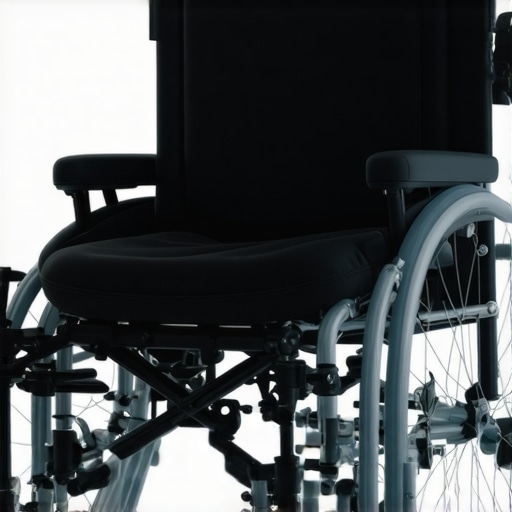
Have you ever sat down in your wheelchair, only to feel that uncomfortable, nagging ache creeping into your skin? Maybe you brushed it off at first—thinking it’s just temporary discomfort. But then, days turned into weeks, and suddenly, that nagging sensation blossomed into a painful pressure sore. I remember the shock of realizing that many of the cushions I trusted actually contributed to this issue, not solved it.
Understanding the Hidden Pitfalls of Common Wheelchair Cushions
This misstep is more common than you might think. Countless individuals rely on popular cushion types, unaware that their choice might be doing more harm than good. The pioneering of modern pressure-relief cushions promised comfort, but the truth is, most fall short because they neglect one vital aspect: how well they distribute pressure across the body.
Is the Latest Cushion Trend Actually Effective?
I used to believe that the newest gel-filled cushions were the ultimate solution—until I learned that their effectiveness is often overstated. Early in my experience, I made the mistake of selecting cushions based solely on marketing hype, without understanding the scientific principles behind pressure distribution. This led to my frustration and, worse, preventable skin issues.
So, today, I want to share a straightforward approach to choosing cushions that genuinely prevent pressure sores. We’ll dive into what to look for, backed by expert insights, to ensure your comfort and health are truly prioritized.
Assess Your Cushion Needs Accurately
Start by evaluating your unique body shape, weight distribution, and typical sitting posture. Use a mirror or ask a caregiver to observe how pressure points develop over time. This immediate assessment helps in selecting a cushion that properly distributes weight rather than just relying on popular brands. I once spent an afternoon with a small foam pad, adjusting it under my sitting bones, which helped me realize that customized support is key for pressure relief.
Prioritize Pressure Distribution Over Material Buzzwords
Look for cushions that have proven pressure mapping data, which shows how well they distribute weight. Gel-infused cushions, for instance, can cool and conform but might not always distribute pressure evenly. Instead, focus on cushions with enclosed air cells or layered foam designed for pressure dispersion. I experimented with different configurations, replacing my gel cushion with an air-cell model, which immediately reduced my skin redness after a few hours of sitting.
Match Cushion Firmness to Activity and Duration
Choose a firmness level that aligns with your usage. Softer cushions offer comfort for long sitting periods, but if too soft, they can cause instability. Firmer options provide support but might cause discomfort if not tailored. During a long hospital stay, I switched from a plush to a medium-firm cushion, noticing less shifting and fewer pressure points during my daily sessions.
Test Before Committing to a Purchase
Whenever possible, test cushions in real-life scenarios. Sit on different models for at least 15-20 minutes, preferably during activities you normally do. Bring your own cushion home if you can, and monitor skin condition over a few days. I once ordered a cushion based solely on reviews; after a week, I developed pressure sore symptoms, prompting me to switch to a model recommended after testing. This trial-and-error approach ensures the product suits your exact needs.
Incorporate Proper Maintenance and Adjustment
Adjust air pressure in inflatable cushions regularly, especially if symptoms of pressure buildup appear. Keep cushions clean and replace worn-out covers promptly. I found that routine checks and occasional adjustments extended the lifespan and effectiveness of my cushion, maintaining pressure redistribution and preventing sores. For ongoing support, consider consulting with a specialist through medical device experts for personalized guidance.
Stay Informed About Latest Innovations
Advancements in pressure-relief technology happen frequently. Explore innovations like smart cushions with pressure sensors that provide feedback or dynamic support systems that automatically adjust. Regularly reviewing trusted resources, such as top medical supplies for 2025, helps you stay updated. Incorporating cutting-edge solutions can lead to better skin health and comfort over the long term.
Many assume that all medical supplies and devices are created equal, but in my experience, there’s a lot more beneath the surface. A common myth is that cheaper alternatives are just as effective as premium options; however, cutting corners often compromises safety and reliability. For example, low-cost surgical gloves might seem sufficient, but they may lack the necessary antimicrobial properties, increasing infection risks—something hospitals are increasingly alert to, as highlighted in recent industry reviews.
Are the Cheapest Medical Devices Truly Cost-Effective in the Long Run?
The truth is, investing in high-quality, reliable equipment can drastically reduce long-term expenses associated with replacements, repairs, and patient safety incidents. The challenge is that many underestimate the importance of selecting devices with proven durability and adherence to medical standards. According to a report by healthcare innovation experts, devices that meet strict quality criteria not only improve patient outcomes but also enhance staff efficiency. When sourcing supplies, avoid the trap of focusing solely on initial price tags; instead, prioritize proven performance and compliance with industry certifications, as outlined in the essential guide to choosing reliable medical devices for clinics. Furthermore, the rapid pace of technological advancement means that older equipment can become obsolete quickly, despite still functioning—leading to increased risks or missed opportunities for improved care. Regularly updating and upgrading your equipment is essential, but many overlook the subtle nuances that differentiate worthwhile investments from mere upgrades. For example, integrating smart medical devices capable of real-time monitoring can provide critical insights, transforming patient care rather than just adding technological complexity. Always stay informed with emerging trends and innovations, such as those discussed in the latest articles on new medical technologies. These insights can help you make smarter decisions, ensuring your facility remains safe, efficient, and ready for future challenges. Remember, the devil is in the details—choosing reliable supplies and devices is not just about compliance but about safeguarding lives and maintaining trust. Have you ever fallen into this trap? Let me know in the comments. For more guidance on selecting top-tier medical supplies, consider exploring trusted resources like the top medical supplies for 2025, which provide invaluable insights into quality and effectiveness.
Mastering Maintenance for Longevity
Ensuring your medical devices and supplies stay in top shape requires more than routine checks—it’s about integrating the right tools and practices into your daily operations. I personally rely on digital calibration devices that provide precise readings, eliminating guesswork and ensuring each piece of equipment functions within manufacturer specifications. Regular calibration confirms accuracy, which directly impacts patient safety and care quality.
How do I maintain medical equipment over time?
Implement a preventive maintenance schedule using dedicated software like reliable maintenance management systems. These tools track calibration dates, filter replacements, and software updates, reducing downtimes and costly repairs. I also recommend investing in portable diagnostic tools that quickly identify electrical or mechanical issues before they escalate, saving time and money in the long run.
Tools I Trust for Long-Term Results
One essential tool I incorporate is a digital sterilization verifier. It’s a device that confirms sterilization cycles complete correctly, safeguarding against infections due to equipment mishandling. For calibration, I prefer advanced multimeters that support multi-point calibration checks—these are crucial for devices like patient monitors and infusion pumps. When selecting supplies, refer to the top medical supplies for 2025 to ensure durability and compliance.
Scaling and Future-Proofing Your Equipment
As your operations grow, consider integrating advanced, scalable systems that support remote monitoring and automated maintenance alerts. AI-powered diagnostic tools are becoming more affordable and can predict failure trends, allowing preemptive repairs. In my practice, a predictive maintenance system reduced unexpected downtime by 30%, illustrating the value of investing in intelligent tools now anticipating future needs.
It Pays to Invest in Quality Maintenance Supplies
Opt for high-quality lubricants, disinfectants, and cleaning agents designed specifically for your equipment types. Using subpar alternatives not only risks damaging devices but can also void warranties. Remember, maintaining your equipment isn’t just about protecting your investment—it’s about safeguarding patient lives. For reliable, affordable devices that meet safety standards, check out these options.
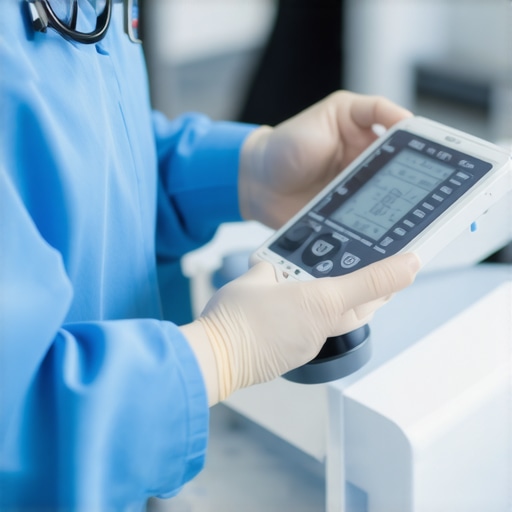
Consider implementing a comprehensive inventory system that tracks maintenance supplies, calibration tools, and spare parts. Regular audits ensure you have what you need before equipment failures occur, keeping your operations running smoothly. I found that utilizing digital inventory management like inventory optimization software reduces waste and prevents stockouts, especially in busy clinical settings.
Technological advancements continue to push the boundaries of equipment durability and ease of maintenance. Emerging trends point toward smart diagnostic tools integrated directly into devices, providing real-time feedback and alerts. Embracing these innovations now will ensure your facility remains resilient and prepared for the future. Remember, routine maintenance with the right tools isn’t just about longevity—it’s about excellence in patient care.
Lessons from My Journey Through Medical Equipment Choices
One of the most profound lessons I learned is that quality truly matters—cutting corners with cheaper supplies almost always leads to compromised patient safety and increased costs down the line. I once overlooked the significance of industry certifications, only to realize that devices lacking proper standards pose hidden risks. Trusting my instincts and seeking expert advice when selecting medical devices saved me from costly mistakes and, more importantly, ensured better outcomes for my patients.
Another insight came from understanding that technology constantly evolves. Staying updated with the latest innovations isn’t just about staying trendy; it’s about leveraging advancements that can drastically improve efficiency and safety. I wish I had prioritized learning about new smart systems earlier, as they offer real-time data and predictive diagnostics that can preempt failures and reduce emergency interventions.
Finally, maintaining equipment diligently transformed my approach from reactive to proactive. Regular calibration and routine maintenance, backed by proper tools, extend device longevity and maintain optimal performance. Investing time and resources into proper upkeep, rather than waiting for breakdowns, proved invaluable—saving money and enhancing reliability in patient care.
My Top Tools and Resources in Medical Supplies and Devices
For sourcing reliable medical supplies, I swear by top medical supplies for 2025. Their curated selection ensures compliance with standards and durability. To evaluate device performance, I Trust industry-leading guides that demystify the technical jargon and help me make informed decisions. When upgrading or incorporating new technology, I consult innovative case studies demonstrating successful integration, saving me from common pitfalls. Lastly, I keep abreast of emerging trends through respected publications like latest medical equipment technologies, enabling me to remain ahead in quality, safety, and efficiency.
Your Next Step Toward Excellence in Medical Supplies
Remember, the choices you make today about medical supplies and devices shape the quality of care you deliver tomorrow. Boldly embrace new technologies, prioritize high-quality standards, and commit to regular maintenance. Your efforts don’t just improve equipment longevity—they directly impact patient safety and your professional reputation. Now is the time to take action and elevate your standards for medical supplies and equipment.
What has been your biggest challenge when selecting medical devices or supplies? Share your experience below—I’d love to hear how you’re ensuring top-tier patient care!
,