
Why Most Patient Positioning Wedges Slide Off the Bed and the Fix We Found
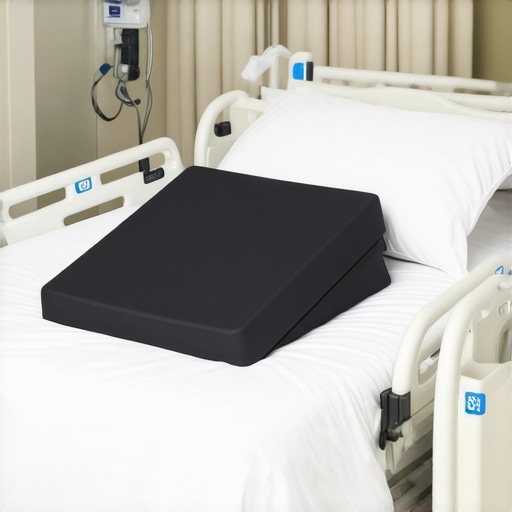
I remember the first time I watched a patient slide right off their bed because the positioning wedge underneath them simply wouldn’t stay in place. It was alarming, frustrating, and honestly, a bit embarrassing. That moment made me realize just how common this problem is in healthcare settings, and how surprisingly simple the fix can be once you understand what’s really going on.
Don’t Let Slipping Wedges Disrupt Patient Comfort and Safety
Many healthcare providers overlook the importance of reliable patient positioning tools. But when wedges slide, it’s not just about inconvenience—it can compromise patient safety, cause discomfort, and even delay treatment. This realization hit home for me early in my career, especially after witnessing a patient fall because their wedge shifted unexpectedly. Such moments drive home the need for solutions that are both effective and easy to implement.
Will This Fix Hold Up in a Busy Hospital?
My early attempts at securing wedges relied on makeshift methods—towels, tape, you name it. I thought I was being resourceful, but inevitably, the wedges would shift. The big mistake? Underestimating the importance of proper grip on beds and the right anti-slip materials. I learned that a reliable fix isn’t about complicated equipment; it’s about understanding the root cause and choosing the right materials.
By the end of this post, you’ll know the real reasons why wedges slide and, more importantly, how to prevent it effectively. We’ll cover practical tips I’ve tested personally, so you can ensure your patients stay comfortable and safe, no matter how hectic your shift gets. If you’ve ever faced this slipping challenge—whether you’re a nurse, therapist, or caregiver—you’re not alone. And believe me, there’s a simple solution waiting for you. Curious? Let’s dive into what actually causes wedges to slide and how you can get ahead of the problem. For further insights on essential medical supplies to enhance patient safety, check out this comprehensive list.
Assess the Bed Surface and Prepare Anti-Slip Materials
Start by evaluating the type of mattress or bed surface you’re working with. If it’s a smooth, slick surface, the wedge is more prone to slipping. Use a high-traction, non-slip mat or grip pad underneath the wedge—think of it as placing a rubbery shelf liner underneath to prevent sliding. I once applied this method during a busy shift when a patient kept shifting positions. After placing a slip-resistant mat and ensuring it covered the entire contact area, the wedge stayed firmly in place, markedly improving patient comfort.
Choose the Right Wedge Material and Design
Opt for wedges made of materials with textured or grippy surfaces, such as silicone or rubberized foam. Avoid smooth, slippery plastics. When selecting a wedge, check for integrated anti-slip features, such as textured bases or silicone backing. In my experience, replacing worn or low-quality wedges with ones designed explicitly for slip resistance reduced repositioning troubles and enhanced patient safety significantly.
Properly Secure the Wedge with Bed Attachments
Utilize straps, Velcro attachments, or bed-anchored clips to keep the wedge in place, especially during patient movements or repositioning. For instance, I secured a wedge with adjustable Velcro straps to the bed frame, which prevented any shift during care activities. It’s critical to ensure these fastenings don’t cause discomfort but are tight enough to hold the wedge reliably.
Implement Routine Checks During Care
Regularly inspect the wedge’s position during patient care, particularly after movement or repositioning. Think of it as a safety audit—each check ensures the wedge hasn’t slipped. During a shift, I made it a habit to glance at all patient positioning devices every 15-20 minutes, readjusting as necessary. This proactive approach can prevent accidental slips and contributes to overall safety.
Leverage Proper Bed and Wheelchair Features
Use beds with anti-slip rails or textured surfaces, and consider bed accessories like non-slip mats designed specifically for hospital beds. Similarly, selecting wheelchairs and beds with built-in safety features minimizes the chance of wedges slipping. Upgrading your beds and accessories might require an initial investment but pays off by reducing patient falls and staff inconvenience. For latest hospital infrastructure innovations, explore this resource.
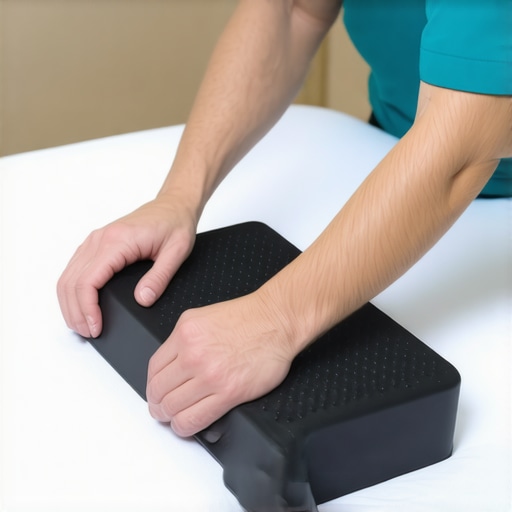 When it comes to healthcare, there’s a common misconception that all medical supplies and devices are built equally and that more affordable options are just as reliable as premium products. However, this belief often leads to costly mistakes that compromise patient safety and treatment efficacy. Contrary to popular opinion, not all medical equipment with a lower price tag is inherently inferior; sometimes, the real issue lies in overlooked nuances like quality control standards and certification processes. For example, many assume that imported or generic supplies meet the same rigorous standards as established brands, but without proper vetting, this can be a dangerous gamble. A critical mistake healthcare providers make is trusting suppliers solely based on cost without verifying compliance with regulations like the FDA or CE markings, which are crucial indicators of safety and quality. Studies show that poor-quality devices can malfunction unexpectedly, leading to adverse events or delayed diagnoses, emphasizing the importance of thorough supplier evaluation. So, how can you avoid these pitfalls? First, prioritize suppliers that adhere to internationally recognized standards and certifications, such as ISO 13485 for medical devices. Second, consider the long-term costs—not just initial price—since investing in high-quality equipment reduces maintenance and replacement expenses down the line. For insights on choosing reliable medical devices, check this comprehensive guide. Remember, rushing to cut costs can lead to bigger issues; it’s the hidden nuances—like consistent quality assurance and proper sterilization procedures—that truly determine a device’s reliability. Also, be wary of the “cheap and cheerful” trap; often, budget-friendly supplies are produced with less stringent quality controls, which can jeopardize patient outcomes. For further details on critical supplies, explore this resource on emergency preparedness supplies. To ensure you’re not falling for common myths, always verify the provenance and certifications of your equipment, and don’t hesitate to consult experts when in doubt. This nuanced understanding can significantly reduce risks and improve operational efficiency. Interested in the latest innovations transforming healthcare? Take a look at the trends detailed here. Have you ever fallen into this trap? Let me know in the comments.
Maintaining medical supplies and devices is crucial for ensuring consistent performance and patient safety. One of my go-to strategies is implementing a regular calibration and maintenance schedule tailored to each piece of equipment. For example, digital medical devices like wireless ECG patches or pulse oximeters require periodic firmware updates and sensor calibration to deliver accurate readings. Incorporating such routines not only prolongs device lifespan but also minimizes unexpected failures during critical moments. Additionally, I recommend utilizing advanced diagnostic tools such as portable blood gas analyzers, which enable quick on-site troubleshooting—saving time and reducing downtime. In my experience, investing in reliable, high-quality equipment from vendors adhering to ISO standards ensures compatibility with maintenance protocols and future upgrades, simplifying long-term management. Prediction suggests that as healthcare technology evolves, automation and remote monitoring will play larger roles in maintenance, enabling proactive detection of issues before they escalate.
How do I maintain medical equipment over time?
Integrating software management systems that track maintenance logs and alert for routine checks is invaluable. For instance, platforms like Medtronic’s ServiceLink automate scheduled maintenance notifications, helping staff stay ahead of potential problems. Also, establishing relationships with authorized service providers ensures genuine parts and expert support, which is vital for sensitive devices. When upgrading or replacing tools, always consult resources like the guidelines for seamless transitions to prevent operational hiccups. Additionally, regular staff training on device handling reduces user-induced wear and tear. Incorporating checklists and routine inspection checklists enhances compliance and keeps equipment in top condition. As we look ahead, the trend points toward smart medical devices embedded with self-diagnostic capabilities—making maintenance more predictive than reactive. Therefore, leveraging these innovations now can position your practice for the future of healthcare. Don’t hesitate to explore advanced diagnostic tools like portable micro-vial systems to monitor device health comprehensively. These investments can dramatically reduce long-term costs and improve patient outcomes, as emphasized in industry analyses. For expert support or tailored maintenance plans, contact our team through this contact page. Regular, proactive maintenance is the backbone of dependable healthcare delivery, so start integrating these strategies today.Over the years, I’ve discovered that the biggest breakthroughs in preventing device slips come from small, often overlooked details. One lightbulb moment was realizing that relying solely on generic materials or makeshift solutions only prolongs the problem. Instead, understanding the nuances—like the importance of textured surfaces or proper bed anchoring—can make all the difference. Another lesson? The value of routine checks and staff training that reinforce best practices, turning good habits into habits of safety. And perhaps most unexpectedly, investing a bit more upfront in high-quality, certified equipment saves time, reduces risk, and truly enhances patient care in the long run. These insights have transformed how I approach patient safety, emphasizing precision, consistency, and attention to detail above all.