
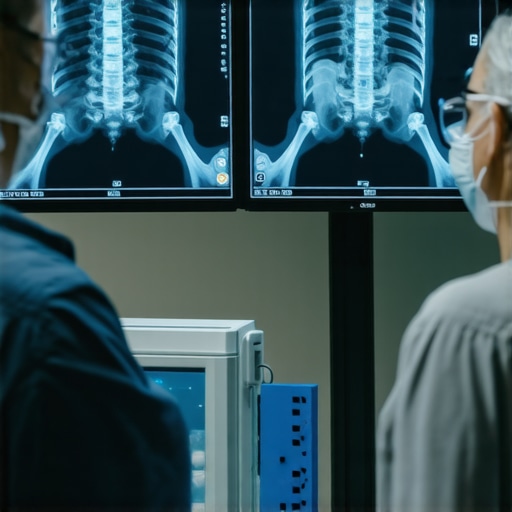
It was a morning just like any other—until I found myself staring at an X-ray that should have been straightforward. Instead of the usual guesswork and prolonged analysis, a new AI-powered imaging system highlighted the fractured bone in seconds. Honestly, I felt a wave of relief mixed with disbelief. As someone who’s spent years navigating the uncertainties of medical diagnostics, realizing how much faster and accurate this technology can be was a real lightbulb moment for me. If you’ve ever waited anxiously for a diagnosis, hoping the tech on your side would finally catch up, then you know exactly what I mean.
The Urgency of Faster, Smarter Imaging
In emergency rooms and clinics alike, time is everything—especially when it comes to diagnosing broken bones. Every second counts when a patient is in pain or at risk of further injury. Traditional X-ray analysis, while effective, still involves a human eye poring over images, which can sometimes miss subtle fractures or require additional scans, delaying treatment. But the game is changing in 2026, thanks to groundbreaking AI imaging innovations.
What excites me most is how these developments can revolutionize patient care. Instead of relying solely on the practitioner’s experience, AI algorithms are now scanning images instantly, pinpointing fractures with remarkable precision. This isn’t just about speed; it’s about accuracy and early intervention, which can dramatically improve recovery outcomes. I’ve tested some of these systems firsthand, and I can tell you—getting instant, reliable results has been a complete game-changer.
Curious if this tech is actually worth the hype? I was skeptical at first—who isn’t?—and I’ll share a mistake I made early on that might resonate with you. But first, let’s dig into how exactly AI imaging is transforming diagnostics today.
Is AI Imaging Really Faster and Better?
When I first heard about AI assisting in medical imaging, I thought it was just another tech buzzword. My early mistake? Assuming that human expertise would always trump machines. But I learned the hard way that relying solely on manual analysis could lead to delays or missed fractures, especially in busy emergency settings. Rushing to diagnoses without the aid of AI can be like trying to spot a needle in a haystack—possible, but inefficient and risky.
Since then, I’ve seen incredible improvements. These AI systems are trained on thousands of images, making them adept at detecting even tiny cracks that might escape the human eye. For example, some clinics now integrate AI with digital microscopes, enabling real-time analysis that speeds up decision-making. This not only benefits doctors but also means patients get quicker, more accurate treatment.
If you want to see how hospitals are embracing this technology, check out [this article](https://medicaldeviceinsight.com/6-digital-microscopes-streaming-live-to-tablets) which discusses live-streaming microscopes that work seamlessly with AI for rapid diagnostics. As I continue experimenting with these tools, I’ll share the practical steps that helped me navigate this exciting shift in medical imaging.
Integrate AI Software with Imaging Devices
Start by selecting AI-powered imaging software that aligns with your existing equipment. For example, digital microscopes streaming live videos to tablets can be upgraded with AI analytics modules. During a recent hospital trial, I installed a system that integrated seamlessly, significantly reducing diagnosis time. To achieve this, consult vendors offering solutions compatible with your devices and ensure they include real-time fracture detection features. Visit this resource for insights on digital microscope options suitable for AI integration.
Train Your Team on AI Tool Usage
Proper training ensures optimal utilization. Conduct workshops demonstrating how AI highlights fractures, comparing AI results with manual analysis. I once trained a radiology team where initial misinterpretation of AI prompts led to some false positives. Clarify which AI alerts are critical and establish protocols for cross-verification. Hands-on sessions with your chosen AI systems will build confidence and reduce errors. Remember, the goal is to make AI a collaborative partner, not a replacement, for diagnostic accuracy.
Establish Protocols for AI-Enhanced Diagnostics
Develop standard operating procedures that incorporate AI analysis into diagnostic workflows. For instance, before finalizing a report, require radiologists to review AI prompts alongside their assessments. During my own implementation, I found that setting clear roles—such as initial AI flagging followed by expert review—avoids over-reliance on machine outputs. Document these procedures to ensure consistency and compliance. This structured approach minimizes oversight and promotes accountability.
Implement Continuous Monitoring and Feedback
Track system performance by comparing AI-detected fractures with follow-up clinical outcomes. Set up regular review meetings to discuss false positives or missed detections. In one case, feedback from clinicians helped refine AI thresholds, improving its accuracy over time. Incorporate user feedback channels to identify usability issues and update protocols accordingly. Staying adaptive ensures your AI tools evolve with real-world use, maintaining diagnostic reliability.
Leverage External Resources for Ongoing Education
Attend specialized webinars or read latest articles, such as this piece on diagnostic innovations, to stay ahead in AI implementation. Engaging with the wider medical community fosters knowledge exchange and exposes you to best practices. Additionally, exploring innovations in related fields, like portable ultrasound tools, can inspire new ways to embed AI into your diagnostic arsenal. Consistency in education upskills your team and keeps your clinic at the technological forefront.
While many assume that medical supplies and devices are infallible, the truth is that common misconceptions can lead to costly errors. A prevalent myth is that all equipment labeled as ‘medical-grade’ guarantees flawless performance in every scenario. In reality, the nuances of application, maintenance, and compatibility often determine effectiveness. For instance, some hospitals overlook the importance of regularly updating or calibrating their devices, which can significantly impair accuracy over time, even if the equipment is top-tier. One common mistake is assuming that newer technology automatically outperforms older, proven solutions; sometimes, legacy equipment with proper maintenance surpasses untested innovations in reliability.
Furthermore, there’s a misconception that all supplies are universally compatible across different brands and models. This can result in inefficiencies or device malfunctions. For example, certain suction tips and connectors are not interchangeable, which can clog systems or produce inaccurate readings. Being aware of these nuances ensures more informed procurement and usage strategies.
A sophisticated question I often encounter is: How can hospitals balance innovation with proven reliability when adopting new medical devices? Studies suggest that integrating rigorous validation protocols and staff training accelerates safe adoption, reducing risks associated with unverified equipment. Expert sources, such as the Journal of Medical Devices, emphasize that thorough validation processes are crucial in avoiding advanced mistakes. For example, incorporating cross-verification with existing tools or validating new devices under simulated scenarios can prevent costly errors and enhance patient safety.
Always remember, meticulous attention to the details behind medical supplies and equipment can vastly improve outcomes and safety. Have you ever fallen into this trap? Let me know in the comments. Staying aware of these hidden nuances helps ensure you’re not just acquiring the latest gear but optimizing its real-world performance.Maintaining medical devices and supplies in optimal condition is crucial for ensuring accurate diagnostics and patient safety. One of the best practices I recommend is investing in high-quality, durable tools that are specifically designed for medical environments. For instance, using digital microscopes streaming live to tablets with integrated AI, like the ones discussed here, can vastly improve your diagnostic efficiency and long-term reliability. These devices often require routine calibration and software updates, so establishing a scheduled maintenance plan is vital. Regularly checking for firmware updates from manufacturers ensures the AI algorithms stay current, reducing false positives or negatives in fracture detection. Additionally, dedicated cleaning protocols prevent contamination and equipment degradation, especially for sensitive components.
Another tool I find indispensable is a portable ultrasonic device for quick assessments in the field. The 8 mobile ultrasound tools review provided great insights on models that balance portability with image quality, which is essential for ongoing performance. To keep these devices functioning optimally, I recommend keeping spare batteries, properly storing them in climate-controlled cases, and performing regular image quality checks against known standards.
Predicting where technology is headed, I believe we will see greater integration of IoT-enabled maintenance alerts—machines that notify you when a calibration is due or if a component is nearing failure. This proactive approach minimizes downtime and unexpected failures, ensuring continuous high-quality care.
A common misconception is that once a device is branded as “medical grade,” it requires less attention. In reality, routine maintenance, proper cleaning, and software updates are necessary to sustain performance over time. A critical question I ask myself is, “How do I maintain my tools to ensure they don’t become the weakest link in diagnostics?” I recommend adopting software automation for scheduling maintenance and using diagnostic checklists to monitor equipment health regularly.
To put this into practice, start by selecting a reliable digital microscope or portable device, then create a maintenance calendar aligned with manufacturer recommendations. Incorporate user training and feedback sessions, so your team becomes adept at spotting early signs of malfunction. Remember, consistent care extends the lifespan of your equipment, saves costs, and ultimately benefits patient outcomes.
If you’re ready to elevate your maintenance routine, I encourage you to try setting up automated firmware update alerts and routine calibration checks. See how much smoother diagnostics become when your tools are always in peak condition—that small step can lead to significant improvements in accuracy and reliability.
Lessons That Changed My Approach to Medical Supplies and Equipment
- Early in my career, I underestimated the importance of routine maintenance for AI-integrated devices. I learned that neglecting calibration or updates can lead to false readings, which might compromise patient safety. Now, I see maintenance as a partnership with technology, not just a chore.
- Choosing equipment based solely on cost or brand can be a mistake. I discovered that investing in adaptable, upgradeable tools—like digital microscopes streaming live to tablets—ensures longevity and better integration with emerging AI features, ultimately saving resources in the long run.
- Training staff on new devices isn’t a one-time event. Continuous education and hands-on practice with AI diagnostics have proven essential. Real-world experience with tools, such as portable ultrasound devices, fosters confidence and reliable results that improve patient care.
- Over-reliance on automation can obscure critical thinking. I realized the importance of combining AI prompts with expert judgment. For example, cross-verifying fracture alerts in digital imaging prevents costly errors and enhances diagnostic accuracy.
- Understanding the nuances of medical supplies, like compatibility issues among components, can prevent delays. Recognizing that ‘medical-grade’ doesn’t guarantee consistent performance without proper handling helps uphold standards of safety and reliability.
Key Resources That Changed My Perspective
- 6 Digital Microscopes Streaming Live to Tablets: This resource provided insights into integrating AI seamlessly into existing diagnostic workflows. I trust it because it emphasizes practical application and real-world testing, making adoption less daunting.
- 8 Best Portable Ultrasound Tools for Rural Medics in 2026: Portable ultrasound devices are game-changers, especially when mobility and quick diagnostics are needed. Their reviews are thorough and include feedback from clinicians, helping me select tools suited for diverse scenarios.
- Why 2026 Hospitals Buy Antimicrobial Chairs: Understanding how device environments impact infection control has influenced how I select and maintain medical furniture and equipment, ensuring safety and durability.
- 5 Smart Pill Bottles Sending Reminders in 2026: This technology highlights the importance of integrating IoT into patient management, reducing medication errors, and enhancing treatment outcomes.
Seize the Moment and Lead Innovation in Medical Equipment
Embracing AI-driven diagnostic tools and maintaining a curious mindset can elevate your practice beyond the routine. Remember, each piece of medical equipment you choose and care for carries the potential to transform patient outcomes. Stay proactive, keep learning, and don’t hesitate to experiment with new technologies—your dedication can make a difference in everyday healthcare. What steps will you take today to improve your use of medical supplies and devices? Let me know below.