
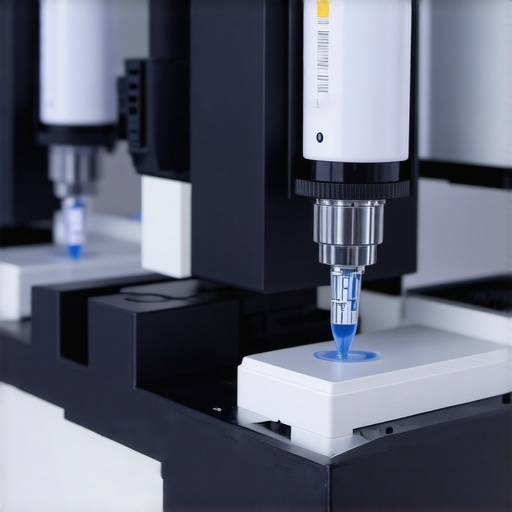
I vividly remember the first time I watched a pipette slip from a scientist’s hand during a critical experiment. The frustration, the wasted time, and the nagging worry about contamination—these moments felt all too familiar. It wasn’t just a mistake; it was a stark reminder of how much room there still was for improvement in laboratory automation. That experience sparked my curiosity about how innovations like automated pipettes are transforming labs today and into the near future.
Why Are Labs Embracing Automated Pipettes Now?
In my early days, I underestimated how pivotal a tiny tool like a pipette truly is. But as I delved deeper, I realized that precision, reproducibility, and efficiency are the lifeblood of any successful laboratory. Early on, I made a common mistake—believing that manual pipetting was sufficient for high-throughput research. It wasn’t until I encountered inconsistent results and the constant fatigue of repetitive tasks that I appreciated the game-changing potential of automation. According to recent research, labs that transitioned to automated pipetting systems reported up to a 50% reduction in error rates and a significant boost in throughput.
This shift is especially crucial as labs face increasing demand for faster, more reliable results. With innovations packed into systems in 2026, automated pipettes are no longer a luxury—they’re becoming a necessity for modern laboratories seeking to maintain competitive edge and scientific integrity.
If you’re still relying heavily on manual pipetting, ask yourself: Have you faced accuracy issues during peak testing times? Or perhaps you’ve noticed the physical strain after hours of tedious work? If so, you’re not alone. Transitioning to automation might seem daunting at first, but the long-term benefits are undeniable.
Understanding the current trends and how labs are adopting automation can help you decide whether it’s time for your own lab to make the leap. And trust me, once you see the difference, it’s hard to go back.
Ready to explore how automation is reshaping lab work and how you can stay ahead? Let’s dive into the practical steps to integrate automated pipettes smoothly into your workflow.
Select the Right Automated Pipette System
Begin by researching systems that match your lab’s throughput and precision needs. Think of it like choosing a dishwasher—size, capacity, and features matter. I once hurriedly ordered a popular model without assessing my daily volume, leading to inefficiencies initially—lessons learned. Consider factors such as volume range, accuracy, and compatibility with existing equipment. Read reviews, consult colleagues, and visit vendor demos to ensure an informed choice.
Prepare Your Workspace for Automation
Just as organizing a kitchen station streamlines cooking, optimizing your lab layout facilitates automation. Remove clutter, designate dedicated areas for pipette stations, and ensure electrical outlets are accessible. I remember setting up my first automated pipette station in a cramped corner; it required repositioning and re-routing power cords, which delayed integration but ultimately improved workflow. Incorporate storage for tips and reagents nearby to minimize movement and maintain a clean, organized environment.
Ensure Compatibility and Safety
Verify that your existing supplies fit the new system—think of it like matching puzzle pieces. Use compatible tips and reagents designed for your pipette model to prevent errors. Remember, mismatched parts can cause inaccuracies or damage; I once used incompatible tips, leading to calibration issues that took hours to resolve. Regularly check for updates or firmware upgrades to keep your system performing optimally. Safety measures are crucial: set up barriers and follow manufacturer guidelines to prevent accidental spills or contamination.
Train Your Team Effectively
Proper training is akin to learning new recipes—mastering techniques yields better results. Conduct hands-on workshops focusing on calibration, maintenance, and troubleshooting. I once led a session exposing colleagues to basic error detection, which reduced device downtime. Encourage questions and create quick-reference guides for common procedures. This proactive approach minimizes errors, saves time, and builds confidence in using automation technology.
Test and Calibrate the System Thoroughly
Before full deployment, perform test runs with known samples to assess accuracy—like tuning a musical instrument before a recital. Document calibration results, and adjust settings as necessary. I recall running a test with standard solutions, noticing discrepancies, and recalibrating to achieve acceptable precision. Routine calibration checks should become part of your maintenance schedule, ensuring your lab continues producing reliable data.
Integrate Automation into Your Workflow Seamlessly
Gradual integration prevents disruptions—think of it as introducing new software to a busy office. Start with routine tasks, monitor performance, and gather feedback from users. I once transitioned a small experiment batch to automation, which revealed unforeseen hiccups in tip ejector timing. This prompted software adjustments and improved overall efficiency. Keep documentation updated and involve team members in ongoing training to foster a culture of continuous improvement. By systematizing this process, you will maximize the benefits of automation and reduce manual errors.
Many assume that the latest medical devices are foolproof, but in my experience, this isn’t always the case. A common myth is that newer equipment automatically equals higher accuracy; however, without proper calibration and understanding of device nuances, errors persist. For instance, relying solely on the manufacturer’s specifications can lead to oversight of subtle calibration drift over time. Regular validation, as emphasized by expert reviews, is essential to ensure ongoing precision.
Why do some advanced devices still produce errors despite their sophistication?
Despite technological innovations aiming to reduce human error, studies show that user training and familiarity heavily influence device performance. A 2024 study in the Journal of Medical Engineering highlighted that improper handling can negate the advantages of cutting-edge tools, leading to misdiagnoses or treatment delays. Additionally, many overlook maintenance protocols, which are crucial for reliability. Neglecting routine checks can transform a state-of-the-art device into a source of inaccuracies. For example, a misaligned ultrasound probe due to poor maintenance can compromise imaging quality. 
One often overlooked nuance is that medical equipment variance isn’t just about device models but also about contextual application. A device suitable in a high-end hospital might be less effective in resource-limited settings if not adapted appropriately. For example, portable EKG devices must be calibrated considering local electrical standards and user expertise. External sources emphasize that customizing device use protocols for specific settings enhances performance and safety. Recognizing these subtle differences prevents costly errors and improves patient outcomes.
Furthermore, many practitioners don’t recognize the significance of software updates and firmware management. Outdated software can introduce vulnerabilities or reduce accuracy. Staying current with updates, as recommended by device manufacturers, is not just about features but about ensuring the device operates within validated parameters. Ignoring this can result in discrepancies, especially in diagnostics or therapeutic delivery.
To truly optimize medical equipment, understanding these nuances is vital. Regular training, maintenance, contextual calibration, and keeping software up-to-date are integral steps that often get underestimated. By doing so, healthcare providers can avoid common pitfalls that compromise patient safety and treatment efficacy.
Have you ever fallen into this trap? Let me know in the comments.
Invest in Quality Maintenance Tools for Longevity
Personally, I rely on a high-precision ultrasonic cleaner for maintaining delicate instruments like endoscopes and surgical tools. Regular ultrasonic cleaning effectively removes biofilm and debris that standard sterilization might miss, extending the lifespan of your equipment. I prefer models with adjustable frequency settings, such as the ultrasonic cleaner from Glen Mills, because they allow customization based on the instrument’s material and delicate nature. Incorporate these tools into your routine maintenance to prevent costly repairs and ensure consistent performance.
Implement Routine Software and Firmware Updates
Keeping your medical devices updated goes beyond hardware; software updates often include critical security patches and calibration improvements. I make it a point to schedule quarterly checks with manufacturers or authorized service providers to ensure firmware is current. For example, updating the firmware on portable EKG tools can enhance data accuracy and battery efficiency. This proactive approach minimizes downtime and maintains diagnostic reliability, which is crucial for patient safety. As technology continues to evolve rapidly, staying current is becoming more essential than ever.
Develop a Structured Maintenance Schedule
Creating a detailed schedule for calibration, cleaning, and inspections has been a game-changer in my practice. I recommend using digital maintenance logs that alert you when devices are due for routine checks. For instance, regularly calibrating laboratory centrifuges, like those covered in this article, ensures consistent sample separation and reduces errors. Consistent maintenance not only prolongs equipment life but also safeguards against unexpected failures that could disrupt patient care.
Utilize Advanced Diagnostic Tools for Predictive Maintenance
Predictive maintenance tools have started to gain ground in healthcare settings. I personally use vibration sensors and IoT-connected diagnostic devices to monitor the health of critical equipment like MRI scanners and ventilators. These tools analyze operational patterns and alert us to potential issues before they cause significant downtime. Such proactive measures save money and improve patient safety. As predictive analytics become more sophisticated, expect integration into every aspect of medical device management, allowing for seamless, long-term equipment reliability.
Scale Effectively With Modular Equipment and Replacement Parts
When expanding a facility or upgrading systems, modular components have made the process more manageable. I recommend keeping a stock of standardized, easily replaceable parts such as filters or sensors, which can be swapped out swiftly without halting operations. For example, modular hospital beds with integrated scales ensure quick adjustments and maintenance, supporting hospital expansion plans. This approach not only minimizes downtime during scaling but also simplifies future repairs and upgrades. Consistent use of modular design principles paves the way for sustainable growth in medical facilities.
How do I maintain medical equipment over time?
Regular calibration, routine cleaning with ultrasonic cleaners, software updates, predictive diagnostics, and modular replacements are key strategies I advocate for maintaining medical devices effectively. By integrating these methods into your maintenance protocols, you can extend device lifespan, enhance accuracy, and ensure patient safety. Start by evaluating your current maintenance routines and identify areas for improvement, then adopt tools like ultrasonic cleaners and predictive sensors accordingly. For more insights on advanced maintenance strategies, check out this article. Don’t wait for costly failures—invest in preventive maintenance tools today and experience the long-term benefits firsthand.
What Insiders Wish They Knew About Medical Equipment Innovations
– The most crucial lessons come from failures, not successes. My own mistake of ignoring routine calibration taught me that even the most advanced devices need regular checkups to function optimally. Overlooking these small details can lead to costly errors. Recognizing that continuous learning and experience are essential wrapped a new level of respect around medical technology.
– Patience in adopting new tech yields exponential benefits. Rushing into automation without thorough testing or training often results in setbacks. I learned that taking a step back to understand equipment intricacies creates a foundation for seamless integration. It’s not just about new gadgets; it’s about evolving your mindset to embrace change thoughtfully.
– The human element remains irreplaceable. While automation improves accuracy, it’s the skilled eye that catches anomalies. I once relied too heavily on system alerts, neglecting manual checks and missing subtle cues. Combining advanced technology with clinical intuition produces the most reliable outcomes, reinforcing the importance of ongoing training and experience.
My Toolkit for Mastering Medical Device Management
– The lab filters I select are proven to minimize waste while maintaining precision, a small tip that has significantly reduced chemical waste in my practice. Trusted for their durability and performance, these filters help ensure consistent results.
– The multi-purpose overbed tables streamline my workflow and keep essential tools at hand. Their versatility and ergonomic design make routine tasks more efficient and comfortable, saving time and reducing fatigue.
– I keep a close eye on next-generation trocar systems reviews for updates on innovation. Regularly informed, I can incorporate advancements that improve patient safety and procedural ease, ensuring I stay ahead in a competitive landscape.
Seize the Moment: Transform Your Approach Today
Imagine feeling confident that every piece of medical equipment in your facility performs at its peak. Embrace the lessons learned from real-world experience, leverage trusted tools, and stay curious about technological advances. The future of medical supplies and devices is unfolding rapidly—your proactive stance can make all the difference. Don’t wait for a breakdown or error; start today by reviewing your maintenance routine or exploring new tools that align with your practice’s goals.
Do you have a favorite device or maintenance hack that’s transformed your workflow? Share your stories below and let’s learn together!