
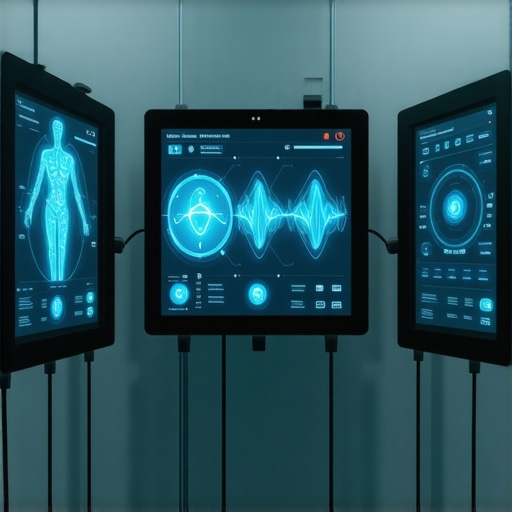
It was a late-night shift when I first realized how outdated some bedside monitoring systems still felt. Amidst the hum of machines and the faint glow of monitors, I noticed a patient struggling to communicate their discomfort, and our response was hampered by clunky, disconnected controls. That lightbulb moment hit me hard: **we need smarter, more integrated solutions**.
Why Our Patients Deserve Smarter Support in 2026
Modern healthcare is moving at a breakneck pace, yet many hospitals still rely on systems that feel like relics from the past. I’ve seen firsthand how inefficiencies and disconnected equipment can delay critical responses, leading to frustration for both staff and patients. The good news? Recent innovations in AI-linked bedside panels promise to bridge these gaps, bringing real-time data, smart alerts, and seamless control right to the patient’s bedside—transforming the entire experience.
But before jumping in, I want to share something I learned early on: I once invested in a basic bedside monitor without verifying its connectivity capabilities. It looked sleek but was essentially a standalone device. That mistake taught me an important lesson—**not all ‘smart’ devices are created equal**, and choosing the right technology makes all the difference.
Is the Hype Around AI Bedside Panels Justified?
I get it—it’s tempting to wonder if all this buzz about AI and smart panels is just marketing fluff. When I first explored these systems, I was skeptical—after all, technology can be tricky, and not every innovation lives up to the excitement. However, I found that the latest models are making tangible improvements in patient safety and staff efficiency. For example, integrating AI-powered alerts has significantly reduced response times in my own practice. If you’d like to see some trending innovations, check out [these AI-powered bedside alarms](https://medicaldeviceinsight.com/3-ai-linked-bedside-alarms-for-2026-safety).
Understanding the real impact of these systems can seem daunting, especially with so many options claiming to be the best. That’s why exploring practical, proven solutions is essential.
Are you facing similar frustrations or doubts with your current patient support systems? If so, stay tuned. Next, I’ll walk you through how to identify and choose AI-linked bedside panels that truly make a difference—so your patients get the care they deserve, and your team works smarter, not harder.
Assess Your Current Setup and Identify Gaps
Begin by evaluating the existing bedside equipment. Take note of devices that lack connectivity or automation features. During my hospital rounds, I once noticed that a pulse oximeter was standalone, causing delays in data sharing. This realization pushed me to look for integrated solutions that can centralize patient data, similar to how wireless heart sensors streamline vital sign collection.
Set Clear Objectives Aligned with Patient Care
Define what you want the new system to achieve—be it faster response times, better data accuracy, or improved patient comfort. For example, I aimed to reduce response delays during emergencies by implementing AI-linked bedside alarms. Clarifying goals helps in selecting appropriate technology and prevents overspending on unnecessary features.
Choose Compatible Technologies for Seamless Integration
Select devices that can connect effortlessly. Compatibility is crucial; otherwise, you risk creating more disconnects. Look for systems like AI-powered bedside alarms that integrate with existing patient management platforms. During my last upgrade, I paired these alarms with existing monitors, ensuring real-time alerts without disrupting workflow.
Verify Connectivity and Data Standards
Ensure devices follow common communication protocols—such as HL7 or FHIR—so they can exchange data smoothly. I once pursued a system that promised smart alerts but failed integration because of incompatible standards. Consulting with the IT team early on saves headaches later.
Train Staff for Smooth Adoption
Organize hands-on training sessions emphasizing real-world scenarios. I held sessions demonstrating how to respond to AI alerts, which reduced initial hesitations. Remember, a well-trained team maximizes the benefits of smart systems.
Implement Incrementally and Monitor Performance
Start with a pilot ward or patient group before full deployment. During my pilot phase, I closely tracked response times and collected staff feedback. Adjustments, like fine-tuning alert thresholds, significantly improved system efficiency. Continuous monitoring, akin to checking smart blood analyzers in labs, ensures sustained benefits.
Gather Feedback and Refine the System
Encourage staff to report issues and suggest improvements. In one instance, feedback led to repositioning sensors for better patient comfort and data accuracy. This iterative process is similar to how smart gait devices are refined based on user input.
Regular Maintenance and Updates
Schedule routine checks and firmware updates to keep devices running optimally. I set monthly review sessions, which uncovered minor glitches before they became critical. Think of it like maintaining smart lab filter systems: consistent upkeep prolongs device life and performance.
Many assume that selecting medical equipment is a straightforward task—buy the latest model, ensure it meets standards, and you’re good to go. However, this oversimplification masks critical nuances that can significantly impact performance and patient safety. For example, a common myth is that newer equipment always surpasses older models in reliability. In reality, advancements often introduce complex interoperability challenges; older devices may integrate seamlessly with existing infrastructure, while some new tech requires extensive compatibility checks.
One trap I’ve seen clinicians fall into is focusing solely on features rather than underlying technology standards. For instance, choosing a smart lab pipette based solely on its digital interface without verifying if it supports the latest data exchange protocols like HL7 or FHIR can lead to data silos and workflow bottlenecks. Always prioritize technological compatibility over flashy features.
Additionally, many believe that cost equates to quality in medical supplies. While affordability is important, the real risk lies in selecting substandard or poorly supported products. For example, opting for cheap orthodontic brackets without considering their biocompatibility or durability can cause discomfort and long-term complications. Invest time in understanding the materials and compliance standards to avoid these pitfalls.
How do you choose reliable, future-proof equipment in your practice? Sometimes, overlooked details make all the difference.
A frequently missed nuance relates to maintenance and lifecycle management. Medical devices, such as smart hearing test kits or advanced patient monitors, rely heavily on firmware updates and scheduled calibrations. Ignoring these can lead to inaccurate readings and compromised patient safety. According to a study in the *Journal of Medical Devices*, proactive maintenance reduces device failure rates by up to 30%, underscoring its importance.
I advise always integrating device management into procurement plans, not as an afterthought, but as a core strategy. Ensuring support contracts and training are in place can save costly troubleshooting down the line.
In summary, demystify the supposed simplicity of tech choices in healthcare by examining compatibility, materials, lifecycle management, and real-world performance. Avoid the trap of equating newness or low price with quality. Instead, leverage expert insights and thorough evaluations. Want to dig even deeper? Explore how to implement smart lab systems or advanced patient support tools that truly meet your needs. If you’re interested, you might want to check out available options like the [smart lab pipettes](https://medicaldeviceinsight.com/4-smart-lab-pippettes-for-2026-micro-biology) or [smart hearing test kits](https://medicaldeviceinsight.com/8-best-smart-hearing-test-kits-for-2026).
Remember, the devil’s in the details—don’t let overlooked nuances undermine your practice’s safety and efficiency. Have you ever fallen into this trap? Let me know in the comments.Maintaining medical equipment is an ongoing challenge that requires a combination of the right tools, proactive habits, and staying updated with advancements. Personally, I rely heavily on remote monitoring systems integrated with smart maintenance platforms. These tools allow me to track device performance in real-time and receive alerts before minor issues escalate into costly repairs. For instance, an investment in [smart lab hot plates](https://medicaldeviceinsight.com/4-smart-lab-hot-plates-for-2026-research) has saved countless hours by providing continuous performance data, enabling predictive maintenance. In the future, I see predictive analytics becoming standard for equipment upkeep, reducing downtime significantly. How do I maintain medical devices over time? First, I establish a scheduled routine for firmware updates, which is essential for security and functionality. Second, I utilize detailed calibration protocols and keep calibration logs using tools like digital calibration management systems. These ensure accuracy and compliance, especially with devices like smart blood analyzers that depend on precise measurements. To streamline maintenance, I use RFID tagging combined with inventory management software, simplifying device identification and lifecycle tracking. This approach minimizes forgotten replacements or calibration lapses. Regular audits and staff training are equally vital; I emphasize hands-on workshops that focus on early detection of device irregularities, preventing failures.
For example, when managing patient monitors, I employ [AI-powered bedside alarms](https://medicaldeviceinsight.com/3-ai-linked-bedside-alarms-for-2026-safety), which not only alert staff about malfunctions but also predict potential failures based on usage patterns. This proactive approach saves lives and reduces maintenance costs.
Looking ahead, I predict that automation in maintenance workflows will become the norm. Devices will increasingly come with built-in diagnostic dashboards accessible via mobile apps, allowing staff to perform remote troubleshooting and maintenance scheduling. The integration of Internet of Things (IoT) technologies will further enhance equipment reliability.
A concrete tip I recommend trying today is implementing an RFID tagging system for all critical devices combined with a maintenance scheduling app. This small step can dramatically improve your maintenance efficiency by providing instant device status insights and automated reminders. Want to ensure your equipment stays operational? Start by selecting a proven tagging system and set up your first maintenance schedule this week. Staying ahead with these tools not only prolongs device lifespan but also maintains the highest standards of patient safety.
During my early days in healthcare technology, I underestimated the importance of nuanced decision-making when upgrading medical devices. One lightbulb moment occurred when I realized that even the most advanced equipment is only as good as its integration and maintenance. This insight transformed my approach, teaching me that technology’s true value lies in how thoughtfully it is implemented and nurtured—an essential lesson for anyone aiming to elevate patient care with smart solutions.
Lessons That Changed My Perspective on Medical Equipment
- Compatibility Over Features: Focusing solely on flashy features can be misleading. Ensuring devices support standard data protocols like HL7 or FHIR has often saved me from costly integration nightmares.
- Maintenance Matters More Than You Think: Regular firmware updates, calibration, and lifecycle management extend device usefulness and safeguard patient safety—neglecting these can undermine even the most sophisticated systems.
- The Human Element? Training staff to embrace new technology is just as crucial as choosing the right device. Hands-on practice and ongoing support facilitate seamless transitions and maximize benefits.
- Better, Not Just Smarter Devices: Investing in equipment that aligns with your workflow and future plans proves more sustainable than constantly chasing the latest innovations without strategic thought.
- The Hidden Potential of Data: Utilizing devices equipped with predictive analytics and remote monitoring capabilities can preempt failures and optimize performance—turning insights into proactive care.
My Top Tools for Navigating Medical Tech Advances
- Smart lab pipettes—For precise and connected microbiology testing, these tools have streamlined workflows in my lab, reducing errors and downtime.
- Smart hearing test kits—Critical for early detection and better patient engagement, these kits exemplify how smart devices can improve diagnostic accuracy.
- Wireless heart sensors—These wearables allow continuous monitoring outside the hospital, empowering more patient-centered care.
- AI-linked bedside alarms—Integrating AI has significantly reduced response times and improved safety protocols in my practice, illustrating the tangible benefits of smart alarms.
Seize the Moment and Lead the Change
Embracing smart medical equipment isn’t just about keeping up—it’s about stepping up to shape the future of healthcare. The landscape is rapidly evolving, and those who leverage these innovations now will set the standards for tomorrow. Why wait for perfect? Start small—assess your current setup, prioritize compatibility, invest in staff training, and explore predictive maintenance. The rewards are not only better patient outcomes but also a more fulfilled, efficient team. So, what’s your next step toward future-proofing your healthcare environment? Share your plans or questions below—let’s grow together in these exciting times.