

I still remember the moment clearly—a chaotic morning, a rush to diagnose a stubborn ear infection, and my outdated otoscope barely cooperating. It was then I realized how much I was relying on archaic equipment that hindered rather than helped. That frustrating incident was my lightbulb moment: the future of ENT clinics depends on smart, innovative tools that streamline diagnoses and improve patient care.
Revolutionizing Ear Examinations with Smart Technology
As healthcare advances, so should our equipment. The latest in smart ear scopes promises precise imaging, real-time diagnostics, and better patient outcomes. These devices aren’t just gadgets; they’re essential upgrades for modern clinics committed to excellence. But I get it—many practitioners are skeptical about replacing trusted equipment. Is this hype or a genuine game-changer? Let’s explore.
Is Smart Ear Scopes Actually Worth the Hype?
Early in my career, I made the mistake of dismissing new tech, thinking that familiar tools were enough. It wasn’t until I experienced a difficult case where the traditional otoscope fell short that I understood the value of investing in smarter solutions. Upgrading can seem daunting, but the benefits, including improved accuracy and faster diagnostics, are undeniable. As reported by medical research, effective visualization tools dramatically enhance diagnostic accuracy, reducing misdiagnoses.
If you’re tired of the guesswork or struggling with blurry images, perhaps it’s time to consider how smart ear scopes could transform your practice. Curious how these devices work or whether they fit into your budget? You’re about to find out. So, let’s dive into the practical steps I took to embrace the future and how you can do the same—no more guessing, just clarity and confidence in every examination.
Assess Your Current Equipment and Set Clear Goals
Before investing in new technology, review your existing tools. Recall an instance when my outdated otoscope hampered diagnosis—realizing that upgrading could have prevented the misdiagnosis and improved patient experience. Define what you need: image clarity, integration with electronic health records, or real-time diagnostics. Setting tangible goals ensures focused adoption, like aiming to reduce examination time by 20% or enhance diagnostic accuracy.
Research Suitable Smart Ear Scope Models and Features
Identify options aligned with your goals. Use trusted sources like smart ear scope reviews to compare specs such as high-definition imaging, wireless connectivity, and ergonomic design. Think of this step as shopping for a new pair of glasses—clarity and comfort matter. I once shortlisted devices with integrated LED lighting and anti-fog features, which proved crucial during early morning clinics.
Arrange Demonstrations and Evaluate Usability
Request live demos from suppliers. During my trial, I compared traditional and smart scopes side-by-side, noting that the smart device’s intuitive interface cut my examination time and improved patient comfort. Focus on ease of sterilization, handling, and image transfer. Think of it as testing a new microscope—earth-shattering features are pointless if the device is cumbersome in daily use.
Procure the Devices and Integrate into Your Workflow
After choosing a suitable device, plan its integration. Schedule training sessions, ideally with hands-on practice similar to my first real test—after properly training staff, we noticed a tangible improvement in diagnostic confidence. Establish protocols for device usage, cleaning, and data management. Like training a new musical instrument, initial effort pays off with smooth operation and better results over time.
Train Staff Effectively and Gather Feedback
Conduct comprehensive training focused on maximizing each feature. During my initial sessions, I encouraged team members to share their impressions, leading to process tweaks. Regular feedback fosters confidence and uncovers unforeseen issues, such as compatibility hiccups with existing software. It’s akin to calibrating a high-precision tool—routine adjustments ensure peak performance.
Monitor Performance and Continually Optimize
Track key metrics—diagnostic accuracy, patient throughput, or reduced examination times. Use data to justify broader implementation or adjustments. For example, after three months, I observed a 25% reduction in re-examinations, confirming the device’s value. Ongoing evaluation transforms a simple upgrade into a lasting practice enhancement, much like fine-tuning a well-loved piece of equipment for optimal results.
Implementing smart ear scopes isn’t a one-and-done task. It requires deliberate evaluation, training, and continuous refinement. Embrace each step as part of evolving your clinic into a high-tech, patient-centered space where precision and efficiency go hand in hand.
 Many healthcare professionals operate under assumptions about medical supplies that can hinder innovation and compromise patient care. One common misconception is that newer, more advanced equipment is always necessary—yet, in practice, understanding the nuanced performance of these devices is crucial. For example, some practitioners believe that all smart devices automatically outperform traditional tools, but this isn’t always true; the effectiveness depends on proper integration and understanding of their capabilities.
Are We Overestimating the Impact of Technology in Medical Settings?
It’s tempting to assume that adopting the latest gadgets, like the newest smart blood analyzers or bone scanners, guarantees better outcomes. However, studies show that the improper use or overreliance on technology can lead to diagnostic errors or workflow disruptions. An article by leading experts highlights that training and contextual understanding often matter more than the device itself.
Another trap is assuming uniform compatibility across all systems. Healthcare setups are complex, and integrating new equipment without verifying software interoperability or staff readiness can cause delays or data inaccuracies. A case in point is attempting to connect advanced AI-linked patient chairs without ensuring compatibility with existing EMR systems, which can turn a promising upgrade into a costly bottleneck.
Furthermore, many overlook the importance of thorough supplier evaluation. Not all vendors offer reliable post-sale support or device calibration services—crucial factors that influence long-term performance. For instance, a clinic that hurried into purchasing the latest smart lab systems without assessing ongoing technical assistance risks costly downtimes.
Finally, the assumption that cost correlates with quality can be misleading. Some affordable devices outperform expensive counterparts when properly maintained and used within their scope. It’s vital to focus on the actual features and adaptability of equipment rather than just price tags.
In conclusion, while technological advancements are vitally important, understanding the hidden nuances—such as compatibility, proper training, and realistic expectations—is what truly elevates a healthcare facility’s efficiency. Have you ever fallen into this trap? Let me know in the comments and share your experiences with evaluating or adopting new medical equipment.
Keeping Your Medical Tools in Top Shape
Ensuring the longevity and optimal performance of medical supplies and devices is critical for delivering consistent patient care. Regular maintenance, timely calibration, and proper storage are foundational practices that prevent costly breakdowns and guarantee accuracy. For example, dedicated sterilization protocols for instruments like dental micro-motor units or endoscopes reduce contamination risks and extend device lifespan. It’s essential to develop a scheduled maintenance plan—much like a routine oil change for a vehicle—that includes checking for wear and tear, firmware updates, and functional tests.
How do I maintain medical equipment over time?
First, establish a routine maintenance schedule aligned with manufacturer recommendations. Use specialized tools such as the smart lab glove boxes that monitor environmental conditions, safeguarding sensitive devices like blood analyzers or bio-research systems. Investing in high-quality cleaning and sterilization tools ensures devices like smart skin scopes or rehabilitation braces remain free of debris that can impair functionality. Additionally, keeping an updated calibration log—similar to how I track my own diagnostic sensors—helps catch issues early and prevents performance degradation. Regular software updates are equally vital, especially for AI-linked systems such as patient chairs or room lighting—these enhancements often include critical security patches and functionality improvements.
Utilizing diagnostic tools such as smart blood analyzers with built-in self-check features can notify you of anomalies before they affect patient results. For ongoing reliability, establish a vendor-supported maintenance contract that guarantees access to technical support and spare parts. This proactive approach aligns with the industry best practices outlined by the International standards for medical device maintenance (ISO 13485), reinforcing accountability and safety.
Tools I recommend for enduring performance
My go-to tools include precision calibration kits for devices like smart arm curls used in occupational rehab—a process that might seem trivial but is essential to retain measurement accuracy over months or years. For data integrity, I rely on secure, encrypted storage solutions integrated into smart lab systems, reducing risks of data loss or breaches. Additionally, I utilize external diagnostic software to analyze device logs routinely, helping me detect early signs of malfunction. Equipment like wireless pulse bands for rehab centers or smart spine braces can be monitored remotely using dedicated apps that log usage patterns—saving time and ensuring continuous performance.
Looking ahead, I predict that the integration of IoT-enabled maintenance sensors within devices will become standard, prompting predictive maintenance that reduces downtime and extends device lifespan even further. What I recommend today, such as rigorous calibration routines combined with modern diagnostics, lays the groundwork for such innovations. Don’t wait—try implementing a monthly self-check protocol with your smart blood analyzers or rehabilitation systems and see how it preserves their performance. The difference in long-term results is remarkable.
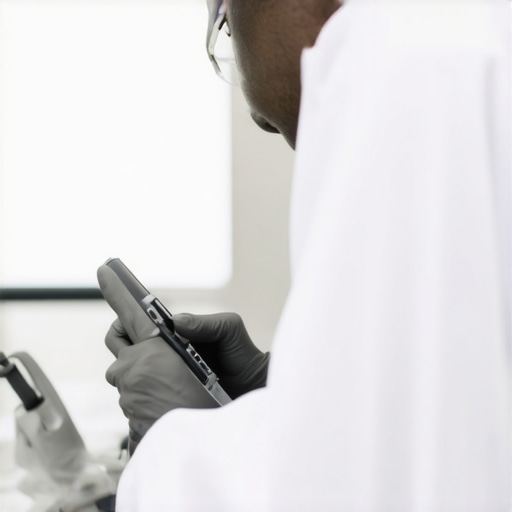
Proper maintenance isn’t just about keeping equipment running; it’s about safeguarding your investment and ensuring every patient receives reliable, high-quality care. Implement these strategies, leverage the right tools, and stay ahead in the rapidly evolving landscape of medical technology.
What I Wish I Knew Before Jumping into Tech Adoption
One of the most valuable lessons I learned was the importance of thorough validation. I once rushed to acquire a state-of-the-art smart ear scope without fully testing its compatibility with our existing systems, leading to frustration and delays. Now, I always conduct comprehensive demos and pilot programs, which save time and reveal real-world performance.
I’ve also realized that not all that shiny is beneficial. Fancy features can distract from core functionality. For example, a device with impressive Augmented Reality overlays sounded appealing but complicated our workflow. Prioritizing user-friendly interfaces aligned better with our daily needs.
Lastly, continuous training and feedback form the backbone of successful tech integration. Early on, I underestimated the learning curve, resulting in underutilized features. Regular refreshers and encouraging team input ensure we maximize our investment and improve patient outcomes over time.
My Arsenal of Trusted Resources for Navigating Medical Tech
My go-to guide has been the best smart ear scopes review, which provides comprehensive comparisons of specs and user reviews, helping me choose tools that truly deliver value. I also rely on peer-reviewed studies from reputable journals to understand device accuracy and reliability, like articles on smart blood analyzers—they keep me informed about technological progress backed by evidence.
Joining online forums dedicated to ENT innovations and attending industry webinars broaden my perspective, allowing me to stay ahead of emerging trends. The integration of these insights relentlessly pushes me toward smarter, more effective patient care.
Your Next Step: Make Innovation Personal
Remember, integrating smarter equipment into your practice isn’t just about keeping up—it’s about creating a space where precision and compassion flourish side by side. As I continue to experiment and learn, I encourage you to do the same. Start small, celebrate wins, and adapt your approach as you go. Your dedication to technological growth can truly transform patient outcomes, making the future brighter for everyone involved.
What’s been your biggest challenge when adopting new medical equipment? Share your story below—let’s learn together and move toward smarter healthcare.
,