
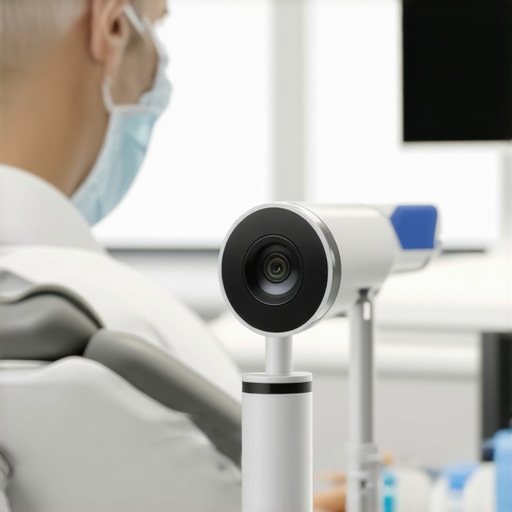
I’ll never forget the moment I realized I was missing something crucial during my routine dental check. Sitting in my bathroom, flashlight in hand, I struggled to get a clear view of my own teeth. It was a frustrating, almost embarrassing experience—like trying to read a tiny script with unreliable lighting. That lightbulb moment made me realize how important good dental visibility is, especially when self-examining or monitoring oral health between dentist visits.
Why Better Oral Health Starts at Home
Over the years, I’ve learned that proactive dental care can make all the difference. Yet, traditional mirrors and mirrors alone often fall short—they can’t give you the detailed, close-up views you need for effective self-assessment. That’s where smart oral cameras come into play, transforming how we approach everyday dental hygiene. These nifty devices help spot early signs of cavities, gum issues, or even lurking oral tumors, often before they become painful or costly problems.
According to recent studies, early detection can dramatically improve treatment outcomes, saving you time and money. But here’s the catch: there’s a lot of hype around these gadgets, and not all are created equal. That’s why I’m here—to guide you through the options and help you choose a smart oral camera that truly delivers.
Is the Latest Tech Actually Worth the Investment?
Honestly, I made the mistake early on of buying a cheap, overly complicated device that sat gathering dust because it was difficult to use. It was a waste of my hard-earned money and made me doubt if these tools were actually helpful or just fancy gadgets.
So, if you’re wondering whether a smart oral camera is worth the hype—or if you’ll end up like me with an expensive paperweight—don’t worry. We’ll explore the features, usability, and real benefits to help you make an informed choice, and maybe even prevent a frustrating purchase or two.
Now, let’s dive into what makes a smart oral camera stand out and how you can pick the best one for your needs. Whether you’re a curious homeowner or want to be more engaged with your dental health, these devices are changing the game. If you’ve ever faced that awkward feeling of not quite knowing what’s happening inside your mouth, you’re in the right place.
Prepare Your Equipment and Environment
Start by choosing a quiet, well-lit space in your bathroom. Make sure your smart oral camera is fully charged or connected to power. Just like securing all necessary tools before a DIY project, having everything ready prevents interruptions. For example, I once set up my device in a rush, only to realize I forgot to clean the camera lens, which resulted in blurry images. Now, I always double-check my setup beforehand.
Assemble and Familiarize Yourself with the Device
Attach any necessary components, such as the camera head or stabilizers, following the manufacturer’s instructions. Take a few minutes to explore the device’s features—buttons, app interface, and calibration options. Think of this as tuning a musical instrument—you want harmony before the actual performance. During my first attempt, I struggled to navigate the app, which delayed my inspection. Now, I dedicate time to learn the controls, saving me time later.
Position Yourself and the Camera Correctly
Set Up a Stable Viewing Angle
Use a countertop mirror or mount the camera on a stable surface at eye level. This mimics the stability you’d want in a lab setting with smart lab workstations. I once held the camera in my hand, which caused shaky images, making it harder to identify issues. Now, I use a small tripod, which provides clear, steady visuals.
Adjust Lighting for Clarity
Turn on your bathroom lights and consider additional light sources if necessary. Bright, focused lighting makes a difference—imagine trying to read fine print in dim light. I experimented by adding a portable LED light, which vastly improved image quality, allowing me to spot plaque and minor gum inflammation early.
Perform the Self-Examination
Gently insert the camera into your mouth, starting with less sensitive areas. Slowly move the camera to examine different angles—top, sides, and behind teeth—while avoiding excessive force. Think of it like using a smart otoscope in a clinical setting; gentle maneuvering ensures accurate visuals without discomfort. My initial attempts involved awkward movements, but over time, I developed a smooth technique that improved my diagnostic confidence.
Review and Record Findings
Use the connected app to review images or videos of your oral cavity. Save these records for comparison over time—similar to tracking data with smart bone scanners. I kept a digital diary of my oral health, noting any changes or recurring issues. This practice helped me detect early signs of problems and shared clear visuals with my dentist during visits.
Clean and Store Your Device Properly
Afterward, clean the camera tip with disinfectant wipes, akin to sterilizing tools in a lab environment using smart lab glove boxes. Proper maintenance extends the device’s lifespan and ensures optimal performance. I once neglected cleaning, which led to foggy images and compromised hygiene. Now, regular maintenance is a routine step that keeps my device functioning perfectly.
Establish a Routine
Set weekly reminders to perform your self-exams, reinforcing good habits. Consistency is key—like regular calibration of medical equipment ensures reliable results. I found that establishing a fixed schedule made self-monitoring less daunting and more effective, helping catch minor issues before they become major concerns. Incorporating these technical steps into your routine makes oral health management more precise and proactive.
While many assume that purchasing the latest medical devices guarantees optimal performance, in my experience, this is a common misconception. The real challenge lies in understanding the nuanced intricacies that differentiate good equipment from truly effective ones. For instance, many believe that more advanced features automatically mean better reliability, but often they add complexity, leading to user errors or maintenance pitfalls.
One trap to avoid is overlooking the importance of proper calibration and maintenance routines tailored to specific devices. For example, failure to regularly calibrate high-precision instruments, like smart lab micro-plates, can result in inaccurate results, which may compromise patient safety. This oversight underscores why training and routine checks are crucial—details many professionals neglect until an error occurs.
Why do high-tech medical devices sometimes underperform despite their capabilities?
This paradox often stems from a lack of understanding of the device’s operational nuances, especially how various environmental factors can influence performance. For example, ambient temperature or humidity can affect sensitive electronics or sensors, like those in smart skin scopes or vital monitoring bands. Experts, such as the Institute of Medical Physics, emphasize that adherence to manufacturer guidelines, including environmental controls, is vital to maintain device accuracy over time (source).
Additionally, many users underestimate the importance of proper storage. Devices stored in thermally unstable conditions or exposed to dust and moisture tend to fail prematurely, leading to costly repairs or replacements. For example, smart lab storage vials and cabinets—if not kept in controlled environments—can compromise specimen integrity. Investing in smart storage solutions and understanding their care is essential for sustained accuracy and lifespan.
Furthermore, there’s a popular myth that bigger or more complex devices are inherently more reliable—nothing could be further from the truth. Simplicity often enhances dependability; a device with fewer moving parts or complex interfaces typically experiences fewer breakdowns. As an experienced technician, I’ve seen newer, streamlined equipment outperform older, complicated models in both longevity and ease of use.
In conclusion, the hidden nuance lies in appreciating the detailed operation, diligent maintenance, and proper storage of medical devices. Recognizing that technology alone isn’t enough—factors like environment, user training, and routine calibration play equally pivotal roles—can significantly improve outcomes. Have you ever fallen into this trap? Let me know in the comments.
How do I keep my medical devices functioning flawlessly over time?
Maintaining medical devices requires a strategic approach that balances routine care with the use of advanced tools. For example, regularly calibrating sensitive instruments like smart lab micro-plates is vital; utilizing smart lab storage systems ensures your reagents and devices stay in optimal condition, reducing downtime and preserving accuracy. I personally rely on precision calibration tools like electronic calibrators tailored for bio-safety equipment; they provide consistent results and save me from costly errors down the line.
Furthermore, investing in smart storage solutions can extend device lifespan. For instance, smart lab storage vials keep samples stable and contamination-free, which is essential for long-term results. Regularly cleaning devices with manufacturer-approved disinfectants prevents microbial buildup and mechanical issues, especially in devices like smart otoscopes or blood analyzers. I recommend setting up a maintenance schedule, aided by digital reminders, to stay disciplined—this proactive approach minimizes surprises and ensures consistent performance.
Predicting where this trend heads, I foresee the integration of IoT-enabled maintenance alerts. Devices will soon notify us when calibration drifts or component wear occurs, transforming maintenance from a reactive chore into a predictive task. Embracing these innovations now offers a competitive edge and peace of mind.
Best practices for keeping medical equipment reliable long-term
Developing a routine that combines routine inspections with the use of dedicated tools is key. For instance, using smart lab workstations equipped with automated calibration modules can vastly improve accuracy and reduce manual errors. Additionally, documenting all maintenance activities creates a feedback loop that identifies recurring issues and informs your procurement strategy. Remember, neglecting maintenance can lead to performance degradation, increased costs, and compromised patient safety. To learn more about high-quality supplies that support maintenance, check out the latest research-grade lab workstations.
Don’t overlook the importance of proper storage and environmental controls. Storing sensitive devices in smart cabinets, like smart lab storage vials and climate-controlled lockers, can prevent damage from dust, moisture, or temperature fluctuations. Implementing these measures consistently ensures your equipment remains accurate and ready for use, ultimately providing better patient outcomes and reducing downtime.
My advice? Try setting up a weekly calibration and inspection routine using specialized tools and SMART storage solutions. Not only will this keep your devices working seamlessly, but it also streamlines workflow and reduces long-term costs. Remember, precision in maintenance translates directly to reliability in patient care and research integrity—investing in the right tools today pays dividends tomorrow.
What My Journey Taught Me About Medical Device Reliance
One of the most profound lessons I learned was that technology alone isn’t a silver bullet. The true key lies in understanding the nuanced operation of each device and maintaining a meticulous routine of calibration and storage. Overconfidence in new gadgets can lead to overlooked errors, so never underestimate the value of consistent maintenance, even with the most advanced equipment.
Another lightbulb moment was realizing how environmental factors influence device performance more than I initially thought. Proper storage, environmental controls, and routine checks often determine whether a high-tech tool delivers accurate results or falters unexpectedly. Paying attention to these details can save you from costly setbacks and ensure your device’s longevity.
Lastly, I discovered the importance of a tailored approach. Trying to implement a one-size-fits-all maintenance routine rarely works in complex systems—each device has its unique needs. Listening to manufacturer guidelines, investing in smart storage solutions, and establishing personalized routines made the biggest difference in keeping my equipment reliable and efficient.
Smart Tools That Changed My Perspective
For my ongoing journey, I’ve come to trust several resources and tools that bridge the gap between theory and practice. For example, integrating smart lab storage vials has significantly improved sample integrity in my practice and extended device life. The smart lab storage vials are a game-changer for maintaining specimen quality.
Additionally, I rely on high-quality calibration tools like electronic calibrators tailored for bio-safety equipment. They provide consistent results and instill confidence in my measurements, which is crucial for accurate diagnostics and research. The smart lab bottles also help me organize reagents effectively, reducing cross-contamination and errors.
When I need to stay ahead in device maintenance, I turn to innovative guides and community insights. The dedicated articles on smart otoscopes and other diagnostic tools keep me informed about latest best practices, helping me to optimize performance.
Your Next Step in Medical Equipment Confidence
Now is the moment to take charge of your device management—embrace the routines, tools, and knowledge that elevate your proficiency. Staying proactive with maintenance and storage not only safeguards your investments but also directly impacts patient care quality. Whether you’re just starting or refining your approach, committing to these practices will unlock your equipment’s full potential. Be courageous in exploring these solutions and watch your confidence grow—your patients deserve nothing less.
What specific challenge have you faced when maintaining your medical devices? Share your experience below and let’s learn together!
,