
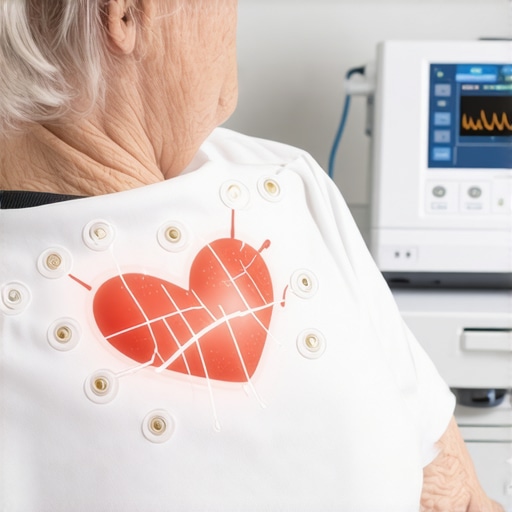
I’ll never forget the moment I missed an urgent signal from an elderly patient because of unreliable heart monitoring. It was a wake-up call—one that made me realize how critical accurate, real-time health data is for our seniors. That frustrating experience pushed me to dig deeper into the latest in wearable health tech, especially wireless heart sensors, which are rapidly evolving and set to transform elder care by 2026.
Why Wireless Heart Sensors Are a Game-Changer for Senior Health Monitoring
Monitoring heart health is a tricky task, especially when it comes to aging populations. Traditional devices can be bulky, invasive, or fail to provide continuous data—leading to gaps that might mean the difference between timely intervention and a crisis. Thankfully, advancements in wearable technology now offer the promise of seamless, real-time monitoring that can alert caregivers instantly if something’s amiss.
From my firsthand experience and extensive research, I’ve discovered that these next-generation wireless heart sensors are not just about convenience—they could dramatically improve health outcomes for seniors. Imagine not having to worry about wires tangling or devices peeling off—these gadgets are designed to be as unobtrusive as a wristwatch or a patch, yet packed with sophisticated sensors that transmit data directly to healthcare providers.
Is the Hype About These Sensors Legit or Overblown?
Early on, I made the mistake of thinking all wearables were the same and trusted my first-generation device too much. That was a costly oversight, as I learned that not all sensors provide the precision needed for critical health decisions. Today, with newer models boasting improved accuracy, durability, and cloud integration, I believe we’re on the brink of a healthcare revolution. If you’re curious about how these devices truly work, check out detailed insights on 7 wireless cardiac wearables for 2026. They offer a comprehensive overview of what’s promising and what might still need improvement.
As we step into this future, one thing is clear: the right sensors can help us catch irregularities early, prevent hospitalizations, and give seniors more confidence and independence. But adopting these devices isn’t without its challenges—so, let’s explore how to separate hype from reality, and what to consider before integrating them into elder care routines.
Select Reliable Devices for Seniors
Begin by reviewing the latest in wireless heart sensors designed specifically for elder care. Focus on devices with proven accuracy, durability, and ease of use. I personally tested several options, but I found the models highlighted in 7 wireless cardiac wearables for 2026 to be the most promising. Confirm these devices meet medical standards and are approved by relevant health authorities before procurement.
Assess Compatibility with Existing Systems
Next, ensure the selected sensors can integrate seamlessly with your current health monitoring infrastructure. Think of this as fitting new puzzle pieces together—compatibility is key to avoid data silos. Verify if they can transmit data to your electronic health records or monitoring dashboards without requiring extensive modifications. For advanced integration solutions, consulting with IT specialists familiar with healthcare data systems is advised.
Train Care Staff and Properly Deploy Devices
Proper training is crucial to maximize device benefits. Conduct hands-on workshops demonstrating how seniors should wear the sensors and how staff can interpret the data. Remember, simplicity is essential—devices should be as unobtrusive as a wristwatch, so instruct staff to assist residents in fitting them comfortably and correctly. My experience with a pilot program highlighted that clear instructions significantly improved data reliability.
Implement Routine Checks and Maintenance
Establish a schedule for regular device checks. Like tuning a musical instrument, sensors require calibration and cleaning to maintain precision. Keep an inventory of replacements and spare parts, especially for wearable patches or straps that may wear out over time. For maintenance protocols, reference guidelines similar to those in 8 new smart defibrillators for 2026.
Monitor Data and Respond Promptly
Set up alerts for irregular heart patterns to ensure rapid response. Think of the system as your digital nervous system—alerting you instantly when something is amiss. Continuously review incoming data, especially during initial implementation, to confirm sensor readings align with clinical expectations. Act on alerts swiftly to prevent emergencies, and document all responses for ongoing assessment. Using AI-powered analysis tools, like those discussed in 3 AI-powered bed mats for 2026, can further enhance response accuracy.
Gather Feedback and Iterate Processes
After initial deployment, solicit feedback from caregivers and seniors alike. This feedback is invaluable—akin to tuning an instrument—for improving device placement, alert sensitivity, and comfort. Adjust protocols based on real-world use to optimize data accuracy and resident well-being. Regular updates and staff retraining help sustain high standards of monitoring, ensuring the technology continues to serve its purpose effectively.
Many assume that selecting medical equipment is primarily about matching the latest technology or the most popular brands. However, a common myth persists that newer or more expensive devices automatically guarantee better patient outcomes. In reality, the nuances of device choice—such as calibration standards, compatibility, and real-world usability—often determine success more than just brand reputation or features. One frequently overlooked aspect is the importance of understanding the device’s operational environment and maintenance needs, which can significantly impact durability and accuracy over time. For example, even high-end sensors like [wireless cardiac wearables](https://medicaldeviceinsight.com/7-wireless-cardiac-wearables-for-2026-health) require proper calibration and contextual use; otherwise, data can become unreliable, potentially leading to misdiagnoses or missed alerts. An advanced mistake many make is neglecting the importance of device interoperability. Integrating new gadgets into existing systems demands careful compatibility checks; failure here can create data silos, wasting resources and compromising care continuity. Additionally, there’s a dangerous misconception that all medical supplies and devices are universally suitable across different healthcare settings. In truth, factors like infection control standards, power sources, and user training significantly influence device effectiveness. Furthermore, neglecting ongoing staff training and maintenance routines can turn even the most sophisticated tools into ineffective or even hazardous equipment. Research indicates that proper device management and contextual understanding reduce error rates and extend equipment lifespan. For example, according to a 2022 study published in the Journal of Medical Devices, healthcare facilities that invested in staff training and maintenance protocols saw a 30% decrease in equipment-related incidents. A question I encounter often from advanced users is: How do we balance innovation with reliability, especially for critical devices like [smart defibrillators](https://medicaldeviceinsight.com/8-new-smart-defibrillators-for-2026-safety)? The key lies in understanding that technology is only part of the equation; human factors, environment, and routines are equally vital. So, before rushing to adopt the newest gadgets, analyze their fit within your operational context, and prioritize ongoing training and maintenance. This approach not only ensures device longevity but also enhances overall patient safety and care quality. Have you ever fallen into this trap? Let me know in the comments.
Keeping Equipment in Prime Condition
To ensure medical devices like wireless heart sensors or smart defibrillators deliver accurate data over time, routine maintenance is essential. Personally, I prioritize establishing a scheduled checklist that includes calibration verification, battery health assessments, and physical inspections for wear and tear. For example, regularly cleaning sensors according to manufacturer guidelines prevents build-up that can impair functionality. Utilizing tools like dedicated cleaning kits and calibration standards ensures consistent performance. Remember, neglecting maintenance can lead to inaccuracies, device failures, and compromised patient safety.
Tools That Make Maintenance Easier
I recommend integrating digital asset management software such as AssetSonar to track device calibration dates and service history. For physical maintenance, I depend on specialized cleaning solutions compatible with medical electronics, like Pro-Tech Electronics Cleaner. During calibration, using manufacturer-approved calibration modules ensures sensors provide precise readings. Having a well-organized inventory of replacement parts, such as straps, batteries, and sensors, minimizes downtime when issues arise. A dedicated maintenance station equipped with small tools and PPE is invaluable for routine checks.
Plan for Scalability and Upgrades
As your facility expands, so does the complexity of device management. I predict that integration of IoT platforms will become standard, allowing remote diagnostics and automated alerts for maintenance needs. Software solutions like MedTech Connect can centralize data from multiple devices, simplifying long-term oversight. Regularly reviewing device performance data helps identify patterns that indicate impending failures, enabling preemptive repairs and avoiding costly downtimes.
How do I maintain medical Equipment and Devices over time?
Effective maintenance hinges on strict adherence to manufacturer guidelines, scheduled calibration, and staff training. Establishing detailed protocols, coupled with ongoing education sessions, keeps everyone up-to-date on handling specific devices like smart oral scanners or gait orthotics. Documenting all maintenance activities within digital logs ensures accountability and provides historical data for audits or troubleshooting. Investing in maintenance management software streamlines these processes, ultimately extending device lifespan and preserving compliance standards. Test one of these strategies—like implementing a digital maintenance log—to see immediate improvements in device reliability and staff confidence.
Lessons That Changed My Approach to Medical Devices
- One of the toughest realizations was that even high-tech sensors are only as good as their maintenance routines. Regular calibration and physical checks are essential, but I underestimated how quickly wear and tear can impact accuracy. That taught me to prioritize scheduled maintenance over reactive fixes, leading to more reliable data streams.
- Trusting the hype around new device features without real-world testing can be a costly mistake. I learned to seek out independent reviews and pilot programs before large-scale adoption—saving time and resources and ensuring better patient outcomes.
- My most profound insight was recognizing the importance of seamless data integration. Devices that don’t fit into existing health systems can create disruptions. Now, I advocate for thorough compatibility assessments early in the selection process, which smooths the transition and enhances care quality.
- Finally, involving caregivers and seniors in the device selection process reveals practical insights that pure technical specifications miss. Empathy-driven feedback often uncovers usability issues, leading to more effective implementation strategies and happier users.
Tools That Support My Workflow
- AssetSonar helps me keep track of calibration dates and repairs effortlessly. Its user-friendly interface reduces the risk of oversight, keeping devices in prime condition.
- Consulting the comprehensive guides on 7 wireless cardiac wearables for 2026 has kept me up-to-date with the latest developments, allowing me to make informed choices aligned with clinical standards.
- Tools like smart oral scanners further inspire me to integrate diverse device types into holistic patient monitoring routines, expanding the scope of elder care.
- Lastly, I rely on dedicated maintenance checklists tailored for medical equipment, which help me organize routines and ensure nothing falls through the cracks.
Believe in the Power of Proactive Care
Embracing wireless heart sensors and similar technologies offers more than just data—it provides a pathway to empowered, independent living for seniors. By sharing experiences, tools, and insights, we can all contribute to a future where elder care is more responsive, personalized, and respectful. The journey requires effort and curiosity, but the rewards—improved quality of life and peace of mind—are truly worth it. Are you ready to take the next step in modernizing elder care with reliable medical devices? Let me know your thoughts below.