

I vividly remember the morning I stepped into a hospital corridor and saw a nurse struggling with an outdated heart monitoring device. The wires tangled, the patient anxious, and I couldn’t help but wonder if there was a better way. That moment sparked my curiosity about the innovations revolutionizing patient care, especially with the advent of under-mattress heart sensors. It was a lightbulb moment that made me realize how critical continuous, unobtrusive monitoring truly is.
Struggling with Old-School Monitoring? Here’s What’s Changing Patient Care
In the past, patient monitoring often meant uncomfortable wires, frequent manual checks, and a constant concern about missing vital signs. These methods were not only intrusive but also prone to human error, sometimes leading to delays in detecting emergencies. The realization hit hard—this traditional approach isn’t just inconvenient; it can jeopardize patient safety.
Now, imagine a hospital room where a patient’s heart activity is monitored passively—that’s exactly what under-mattress sensors offer. They provide real-time data without disturbing the patient, allowing nurses and doctors to respond swiftly. Having witnessed this transformation firsthand, I promise you’ll find out how these devices are not only improving outcomes but also easing the workload for medical staff.
Will These Sensors Truly Replace Traditional Monitors?
Early in my journey, I made the mistake of thinking that new technology would instantly replace familiar routines. I overlooked the importance of integrating reliable systems. For example, some assumed under-mattress sensors were just a fad, but research shows they can detect cardiac issues earlier than standard checks, potentially saving lives. As hospitals gear up for 2026, understanding these innovations is vital for anyone involved in healthcare or patient advocacy. So, have you faced frustrations with traditional heart monitoring? If so, keep reading—you’re about to discover a game-changer.
Natural, continuous heart monitoring isn’t just a futuristic concept anymore. For more insights into how hospitals are adopting these innovations, you might want to see how hospitals are switching to safer, more efficient supplies. Next, let’s explore why the shift to under-mattress sensors is gaining unstoppable momentum and what it means for patient safety in the near future.
Assess Your Facility’s Needs and Infrastructure
Start by evaluating the patient volume and types of cardiac conditions prevalent in your facility. Identify areas where continuous monitoring would add value. Just like choosing the right set of surgical instruments requires understanding the procedure, selecting suitable under-mattress sensors depends on assessing patient needs and existing systems.
Research Compatible Sensor Systems
Explore various sensor technologies, focusing on reliability, compatibility with hospital networks, and ease of integration. Think of it as matching a puzzle piece — the sensor must fit seamlessly into your infrastructure. Consulting with vendors and reviewing case studies can provide insight into real-world performance.
Plan the Installation Process
Coordinate with biomedical engineers to map out installation points, ensuring sensors are placed effectively under mattresses without disrupting existing bedding. Schedule installation during low-traffic hours to minimize patient and staff inconvenience. Remember, precision in placement is similar to positioning a camera — the correct angle and location are crucial for accurate data collection.
Prepare Staff and Patients
Train nurses and technicians on sensor operation, troubleshooting, and maintenance. Inform patients about the passive monitoring devices to alleviate concerns and ensure cooperation. Clear communication reduces errors and builds trust, much like explaining new equipment to a surgical team ensures smooth adoption.
Implement Data Collection Protocols
Establish protocols for monitoring, including frequency of data review and criteria for alerts. Use dashboards that aggregate real-time data, akin to a cockpit displaying vital signs at a glance. Regularly review and refine these protocols based on collected data and staff feedback.
Maintain and Troubleshoot Sensors Regularly
Schedule routine inspections to check sensor integrity, battery life, and data transmission. Like maintaining a car, proactive upkeep prevents unexpected breakdowns. Establish clear procedures for troubleshooting common issues, and keep vendor support contacts handy.
Evaluate Outcomes and Patient Benefits
Collect data on detection times of cardiac events and compare with traditional methods. Gather patient feedback to assess comfort and cooperation. This process is similar to quality audits — continuous evaluation helps adapt practices for better outcomes, ensuring the sensors deliver on their promise of proactive care.
By methodically approaching implementation, healthcare providers can leverage under-mattress heart sensors effectively, transforming patient monitoring from reactive to proactive — much like upgrading from a basic alarm system to a smart, integrated safety network.
Many believe that medical equipment and devices are infallible, but this couldn’t be further from the truth. A common misconception is that newer technology automatically guarantees better patient outcomes. In reality, the nuances of how these devices are designed, calibrated, and integrated into clinical workflows can significantly impact their effectiveness. Rushing to adopt the latest gadgets without understanding their limitations can lead to costly mistakes and even compromise patient safety.
For instance, some assume that all digital diagnostic tools provide accurate results regardless of user expertise or environmental conditions. However, improper calibration or misinterpretation of data can skew diagnoses, leading to unnecessary treatments or missed conditions. A study published in Medical Devices: Evidence and Research highlights that device user training is often overlooked, which is a critical factor for reliable outcomes. Therefore, manufacturers’ training programs and ongoing staff education are equally vital as the devices themselves.
One trap many fall into is overestimating the capabilities of certain medical supplies. For example, IV poles with integrated safety features can reduce trip hazards, but they are not a substitute for proper floor organization and staff vigilance. Relying solely on equipment to prevent incidents ignores the importance of proper operational protocols.
Why does equipment maintenance often get overlooked by healthcare providers?
This complacency stems from the false assumption that new devices are maintenance-free, but regular checks are crucial for safety and accuracy. Without scheduled servicing, even the most advanced equipment can malfunction, producing inaccurate data or risking patient harm. Investing in routine maintenance is a wise move—it’s like tuning a high-performance vehicle to keep it running smoothly and avoid expensive repairs. Implementing systematic maintenance protocols can prevent avoidable errors and extend device lifespan, boosting overall clinical efficiency.
Additionally, many underestimate the importance of understanding the real-world limitations of medical devices. For example, portable ultrasound scanners are incredibly useful, but they require proper handling to ensure image quality. The latest high-res portable scanners show impressive capabilities, yet user training on positioning and image interpretation remains critical for accurate diagnoses.
In essence, mastering medical equipment involves a keen eye for detail, ongoing education, and a cautious approach to new technology. Avoid being seduced by the hype; always question whether a device fits your facility’s specific needs and whether staff is adequately trained to use it. Remember, the margin for error in healthcare is razor-thin. So, have you ever fallen into this trap? Let me know in the comments.
By recognizing these hidden nuances and avoiding common pitfalls, healthcare providers can better leverage the real potential of medical devices and supplies. This ensures not only improved patient outcomes but also a safer, more efficient clinical environment.
Keep It Running: Essential Tools and Strategies for Maintenance
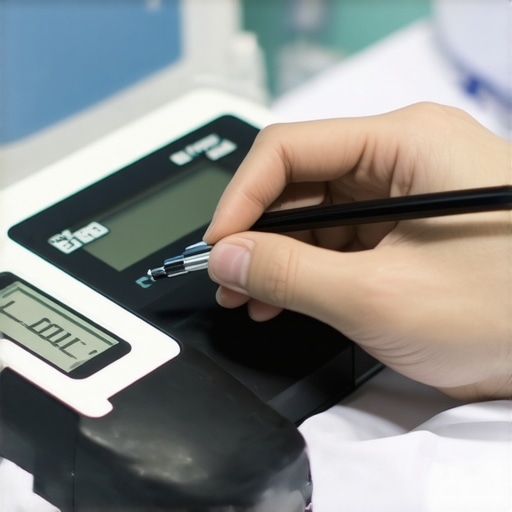
Maintaining advanced medical equipment is crucial for ensuring reliable performance and patient safety. I personally rely on dedicated diagnostic calibration tools like the Fluke Biomedical Calibration Testers, which allow me to verify device accuracy in-house without waiting for external service visits. Regular calibration is not just a recommendation—it’s a necessity, especially for high-precision devices such as portable bone density scanners. These tools help catch drift early, preventing costly errors and downtime.
In addition, I’ve found that employing software monitoring solutions like MedTrainer’s compliance management system simplifies tracking maintenance schedules and renewal deadlines. Leveraging such platforms ensures you stay on top of routine check-ups and updates, significantly reducing the risk of device failure over time.
How do I keep my equipment in peak condition over time?
Developing a comprehensive maintenance schedule that aligns with manufacturer recommendations is vital. For instance, batteries on critical devices need regular replacement—neglecting this can lead to sudden failures. For devices with moving parts, such as heavy-duty wheelchairs, proactive inspections of joints and wheels prevent unexpected breakdowns.
Predictive maintenance is also gaining traction. Using IoT sensors to monitor device health can preempt issues before they become serious. I foresee a future where AI-driven maintenance systems provide real-time diagnostics, dramatically reducing unscheduled outages and boosting staff confidence.
Scaling equipment management across your facility
When your healthcare setting grows, managing an expanding fleet of devices demands strategic planning. Centralized asset management software, like Asset Panda, offers real-time tracking and alerts for maintenance tasks. This not only streamlines operations but also extends the lifespan of your equipment, ultimately saving costs.
The trend clearly points toward increased automation and smarter maintenance routines. Investment in robust tracking tools combined with staff training ensures continuity and safety, even as technology evolves. I encourage you to adopt a maintenance regimen that incorporates these tools—it’s an investment that pays for itself in smoother operations and better patient outcomes.
Remember, many believe that once a device is purchased, our work ends. But ongoing maintenance and proper calibration are what truly guarantee long-term reliability. Even the most sophisticated equipment can underperform if neglected. It’s like tuning a musical instrument—you need to keep it in harmony. To start, try implementing a monthly calibration check with tools like the Fluke Biomedical testers mentioned earlier. It’s a small step that can prevent costly errors down the line—and ensure your devices serve you reliably year after year.
What I Wish I Knew Before Rethinking Medical Equipment
- It’s about more than just new gadgets: I learned that integrating innovative medical devices requires understanding existing workflows; rushing adoption can create chaos rather than benefit. A thoughtful approach ensures technologies like surgical staples or smart sensors fit seamlessly.
- Staff training remains king: No matter how advanced a device is, without proper education, its potential stays unrealized. I saw firsthand how investing in ongoing staff education about maintenance and operation makes or breaks the device’s contribution to patient safety.
- Maintenance saves money and lives: Regular calibration and proactive upkeep might seem tedious but are vital. Devices like portable scanners or telemetry kits outperform when maintained diligently, preventing costly malfunctions during critical moments.
- Patient comfort isn’t an afterthought: Incorporating devices like smart scales with patient-centered design improves compliance and outcomes. Comfort and trust go hand-in-hand with technology upgrades.
- Continuous learning is essential: The fast pace of innovation means I must stay curious. Engaging with detailed case studies and tools deepens my understanding—it’s the difference between good and great patient care.
My Top Picks for Medical Equipment Wisdom
- Medical Device Insight’s articles — I trust their comprehensive coverage and real-world insights on innovations like high-res portable scanners and their practical applications.
- Vendor training programs — Programs from leading manufacturers ensure staff proficiency, making tech more effective and safe.
- Calibration tools such as Fluke Biomedical testers — As I always remind colleagues, calibration isn’t optional; it’s the backbone of reliable diagnostics.
- Asset management software — Solutions like Asset Panda streamline maintenance workflows, extend equipment life, and reduce surprises.
Seize the Moment and Improve Patient Care Today
Every innovation in medical supplies and devices is an opportunity, not just a trend. Implementing smart, well-maintained equipment can shift your practice from reactive to proactive, delivering better outcomes and happier patients. Remember, the real power lies in continuous improvement and embracing change with confidence. Are you ready to make your next move in advancing healthcare quality? Share your experience below—your insights could inspire others to leap forward.