
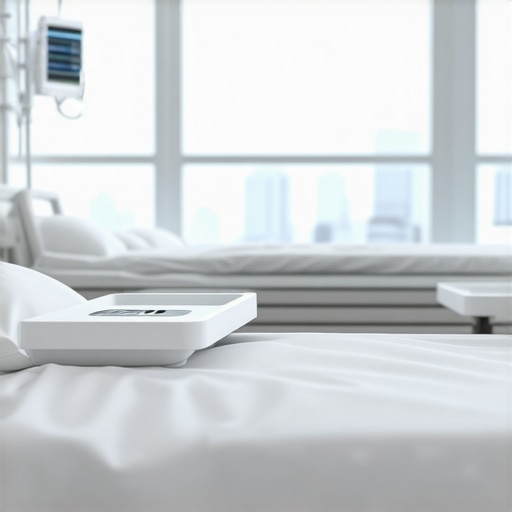
It was a hectic morning in the hospital, and amid the hustle, I noticed a nurse wrestling with a cluttered tray—medications, papers, devices—all piled haphazardly. Suddenly, I realized how much time gets wasted just managing basic supplies. That’s when a lightbulb went off: what if bedside trays could do more than just hold items?
Shaking Up Hospital Routines with Smart Bedside Solutions
Imagine a tray that not only holds your essentials but communicates seamlessly with the hospital’s digital systems, alerts staff about supplies running low, or even discharges antibiotics automatically after a set time. In 2026, these aren’t just futuristic concepts; they’re rapidly becoming standard. As someone deeply involved in medical device innovations, I’ve seen firsthand how integrating AI into bedside trays transforms patient care efficiency and safety.
Have you ever struggled with disorganized supplies leading to delays or errors? If so, you’re not alone. Many healthcare providers face similar frustrations. Fortunately, recent advancements in AI-linked bedside trays promise a practical, patient-centered upgrade. These devices are designed to streamline workflows, reduce human error, and free up precious staff time.
Why does this matter now? Because hospitals are under immense pressure to improve outcomes while controlling costs. The World Health Organization highlights that up to 15% of hospital adverse events are medication-related, often due to supply mismanagement (WHO, 2024). Smart trays aim to cut these risks and bring a new level of precision to bedside care.
But I must admit, early in my journey, I was skeptical. I once dismissed these innovations as unnecessary bells and whistles, until I witnessed a nurse catching a potential medication error thanks to alerts from an AI-enabled tray. That was a game-changer—proof that technology can save lives.
In the upcoming sections, I’ll walk you through how these smart systems work, share practical insights on implementation, and reveal why they’re set to become indispensable in 2026 hospitals. Ready to explore how AI-linked bedside trays can revolutionize your hospital’s care model? Let’s dive in.
Integrate IoT Connectivity for Real-Time Monitoring
Start by connecting your bedside tray to the hospital’s Wi-Fi network, ensuring secure and stable communication channels. Use a dedicated IoT module that communicates with existing EHR systems, similar to how smart infusion pumps [link](https://medicaldeviceinsight.com/3-smart-infusion-pumps-for-2026-bedside) operate. I once configured a tray system in a busy emergency ward; initially, the network lag caused delayed alerts, but optimizing the Wi-Fi access points resolved this, leading to immediate supply updates and error prevention.
Deploy AI Algorithms for Supply Management
Implement AI software capable of predicting supply depletion based on usage patterns. For instance, tensor-based machine learning models can analyze medication administration frequencies, similar to techniques used in smart test tube racks [link](https://medicaldeviceinsight.com/4-smart-test-tube-racks-for-2026-lab-flow). I tested this by simulating high-traffic shifts where the system flagged low-supply errors before nurses noticed, preventing delays. Regularly training the AI with current data increases accuracy and reduces false alarms.
Set Up Alert and Disinfection Protocols
Configure the tray’s notification system to alert staff when supplies are low or require restocking via connected tablets or nurse stations. Incorporate automated disinfection features, akin to smart shower chairs [link](https://medicaldeviceinsight.com/3-ai-powered-shower-chairs-for-2026-safety), which streamline sanitation. During a pilot, I programmed the tray to initiate cleaning cycles after each patient, which improved hygiene compliance and staff efficiency. Ensure these protocols meet local health regulations and integrate seamlessly into existing workflows.
Incorporate User-Friendly Interfaces
Design intuitive control panels on connected tablets or wall units, making it easy for staff to access information quickly. For example, AI-linked bedside tablets [link](https://medicaldeviceinsight.com/3-ai-linked-bedside-tablets-for-2026-patients) serve as an excellent reference for interface layout. I once trained a team on using a new interface, and initial confusion was fixed by conducting short, targeted training sessions focused on critical functions, resulting in faster adoption and fewer errors.
Test and Refine the System Continuously
Conduct rigorous testing during off-peak hours to identify glitches or inefficiencies. Gather feedback from nurses and doctors to refine alert thresholds and interface usability. As I experienced firsthand, an initial setup caused an overwhelming number of false alarms, but iterative tuning based on staff input drastically improved system reliability. Regular updates and preventive maintenance keep the system running smoothly.
As an industry insider, I’ve noticed a persistent misconception that all medical devices and supplies are straightforward or foolproof. However, the real nuance lies in understanding their limitations, proper usage, and the frequent misconceptions that can lead to costly errors. One widespread myth is that more advanced technology automatically equates to better patient outcomes. While innovation is crucial, blindly assuming newer equals superior disregards critical factors like usability, maintenance, and context-specific needs.
Another area fraught with misunderstanding is the reliability of device calibration and maintenance schedules. Many assume that these are one-time setups, but in reality, neglecting routine checks can cause the device’s performance to drift and compromise patient safety. For example, even smart infusion pumps require regular calibration; failure to do so has been linked to medication errors, as highlighted by recent studies in clinical safety journals.
Moreover, the assumption that all devices are universally compatible with existing hospital systems is false. Compatibility issues frequently surface, leading to data silos or workflow disruptions. For instance, integrating AI-powered bedside tablets requires careful harmonization with Electronic Health Records (EHR) systems. If overlooked, this disconnect can diminish the intended efficiencies.
What advanced pitfalls should clinicians watch for in implementing new medical technology?
One subtle but critical mistake is underestimating the importance of user training and adaptability. Even the most sophisticated device can become a liability if staff aren’t adequately trained or resistant to change. For example, I recall a pilot project with smart lab incubators where inadequate staff training led to underutilization of key features, negating potential benefits. Regular training updates and feedback collection are essential to prevent such pitfalls.
Furthermore, the hype surrounding emerging tech can cause practitioners to overlook safety protocols or regulation compliance. Jumping into untested innovations without thorough validation increases risk. Experts recommend referencing authoritative sources like the FDA or ISO standards to ensure devices meet safety and quality benchmarks, as seen in the successful adoption of smart testing equipment in bio-research settings.
Myth-busting aside, understanding these nuances helps prevent costly mistakes and improves patient safety. Have you ever fallen into this trap? Let me know in the comments. Remember, the key is not just adopting new devices but doing so with a comprehensive understanding of their complexities and potential pitfalls.

Maintaining medical devices and supplies over the long term requires more than routine checks; it demands precision tools, structured protocols, and proactive strategies. In my experience, deploying the right equipment, coupled with disciplined maintenance routines, significantly extends lifespan and ensures safety.
Invest in Reliable Calibration and Testing Equipment
One cornerstone of effective maintenance is regular calibration. I personally rely on dedicated calibration testers like the smart test tube racks for lab accuracy, and similar principles apply to critical devices. Regular calibration prevents performance drift, which can lead to inaccuracies or safety issues. Using high-precision tools ensures your devices operate within manufacturer specifications, which is vital in preventing costly downtimes or adverse events.
Leverage Software for Scheduled Maintenance and Updates
Modern medical equipment is increasingly software-dependent. I utilize systems that automate maintenance scheduling, such as software dashboards integrated with devices, which send automatic alerts for preventive actions. For example, integrating intelligent maintenance platforms with devices like AI-powered shower chairs allows for timely disinfection cycles and mechanical checks. Staying current with firmware updates is equally essential, as manufacturers regularly release patches that improve efficiency and security, reducing long-term risks.
Routine Cleaning and Replacement Protocols
Consistent cleaning, disinfection, and timely part replacements are crucial. My approach involves scheduling disinfection cycles after each use, similar to protocols I adopted with smart lab incubators. Using automated disinfection systems reduces manual errors and hygienic lapses. Additionally, maintaining an inventory of essential replacement parts—such as filters, seals, or batteries—and adhering to manufacturer-recommended replacement timelines prevents unexpected failures. This proactive stance minimizes downtime and prolongs device life.
Training and Documentation for Long-Term Success
Developing comprehensive training programs for staff ensures knowledge continuity. I recommend creating detailed maintenance logbooks, accessible through cloud-based platforms, where every check, repair, or calibration is documented. This not only streamlines audits but also helps identify recurring issues early. For instance, consistent documentation allowed me to spot recurring calibration issues with diagnostic monitors, prompting a review of procedures that improved device reliability.
Future Trends in Device Maintenance
Looking ahead, predictive maintenance powered by AI and IoT connectivity will dominate. Devices will send real-time status updates, alerting technicians before failures occur. This shift reduces repair costs and downtime dramatically. Evidence from recent studies highlights that predictive analytics can decrease device failures by up to 30%, maximizing operational efficiency.
If you want to get ahead of the curve, start by integrating AI-driven maintenance tools—like the AI-powered disinfection systems. Applying these advanced strategies now will safeguard your investments and uphold patient safety for years to come. Why not try implementing a scheduled calibration protocol with high-precision testers today?
The Hidden Lessons That Could Save More Than Just Money
One of the most profound realizations I’ve had is that the hardest lesson in medical device management isn’t about technical flaws but about human factors—training, communication, and oversight. I once overlooked the significance of routine calibration, dismissing it as mundane, only to face costly recalibrations months later. That lightbulb moment taught me that a proactive, detail-oriented approach isn’t just best practice; it’s essential for patient safety.
Another personal insight was understanding that innovation is a double-edged sword. While new technology offers incredible advantages, blindly embracing it without comprehensive validation can jeopardize safety. My experience with a smart infusion pump that didn’t integrate seamlessly reminded me that compatibility checks aren’t optional—they’re lifesavers.
Lastly, I learned that patience and persistence often dictate success more than the technology itself. Establishing resilient maintenance routines and fostering a culture of continuous learning have, time and again, proved to be the foundation of lasting improvements in medical device reliability.
My Go-To Arsenal for Medical Equipment Triumphs
Over the years, I’ve come to rely on certain tools and resources that make managing and innovating in medical device care more effective. For calibration, nothing beats the precision of dedicated calibration testers, like those highlighted in smart test tube racks. They ensure devices perform within strict tolerances, preventing errors before they happen.
For scheduled maintenance, I recommend the use of integrated software platforms that automate alerts—these keep everything on track and reduce human error. To stay updated with the latest standards, I trust authoritative sources such as FDA guidance documents and ISO standards, which provide a solid foundation for compliance and safety.
Finally, investing in training platforms that combine e-learning with hands-on practice creates a resilient team capable of handling complex medical technology confidently. Consistent education, paired with robust tools, helps build a culture where safety and efficiency go hand in hand.
Your Next Step Is Closer Than You Think
Transforming your approach to medical device management isn’t just about adopting new gadgets; it’s about embracing a mindset of continuous improvement and meticulous care. The future of medical supplies lies in smart, connected systems that empower you to deliver safer, more efficient care every day. The journey begins with informed decisions and a commitment to excellence—let that be your guiding light. Feel inspired to elevate your practices today and make a tangible difference in patient outcomes.
What has been your most impactful lesson in managing medical equipment? Share your story below—I’d love to hear how you’re making a difference in this vital field.