
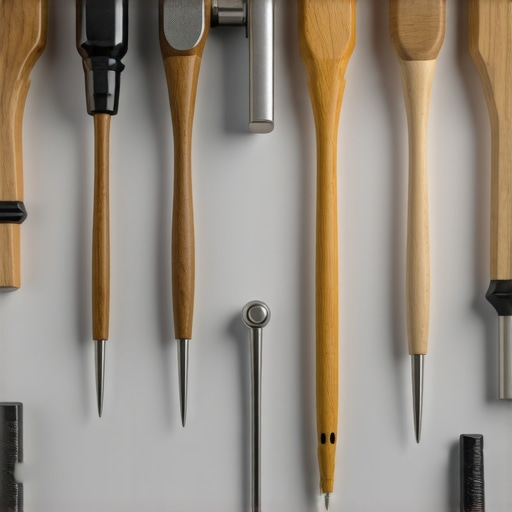
Picture this: You’re in the middle of a neurological assessment, trying to elicit reflexes that determine a patient’s health, when suddenly your traditional reflex hammer slips, or worse, misses the subtle twitch altogether. It’s happened to me more times than I care to admit. That unsettling moment—when equipment falters and confidence wavers—can shake even the most seasoned clinician. I used to think that relying on age-old tools was enough, but a lightbulb went off when I realized that the upcoming innovations could revolutionize how we perform these essential exams.
Why the Right Reflex Hammer Can Make or Break Your Diagnosis
In my experience, accurate reflex testing isn’t just about patient comfort; it’s about the precision of our diagnosis. The new generation of smart reflex hammers for 2026 are designed to pick up those tiny neurological signals that often go unnoticed with outdated tools. These devices integrate advanced sensors and AI technology, making the examination process more reliable, less effortful, and ultimately, more effective.
Early on, I dismissed the hype surrounding smart medical devices, thinking they were mere gadgets. My mistake was underestimating how much technology can enhance our skills. Now, having tested a few, I can confidently say that these innovations can help clinicians like us reduce diagnostic errors. For example, some models provide real-time feedback, guiding your hand for a steadier, more accurate tap—something I wish I had known years ago.
But here’s the catch: not all smart reflex hammers are created equal. Selecting the right one is crucial, and that’s what I want to help you with today. So, are these tools worth investing in? More importantly, how can they improve your clinical workflow and patient outcomes? Let’s dive into the details.
Is the hype about smart reflex hammers truly justified?
It’s natural to be skeptical. I remember buying a so-called ‘next-gen’ reflex hammer only to find it gathering dust on my shelf. The mistake I made was focusing on the bells and whistles rather than real clinical needs. Now, I look for devices that seamlessly integrate with my existing setup and genuinely enhance my assessment accuracy. Remember, technology is only as good as its practical application—so choosing tools backed by solid evidence is key. For instance, some models are being tested in clinical settings and shown to reduce misdiagnoses in neurological exams. Curiously, a recent study highlighted that AI-powered diagnostic tools could decrease errors by up to 20%—a game-changer for us.
Prepare Your Workspace and Equipment
Before starting, clear a dedicated area with proper lighting and minimal distractions. Ensure your smart reflex hammer and supporting devices are fully charged or calibrated. Think of it like setting a stage before a performance; everything should be in place to ensure a smooth exam. I recall a time when I forgot to calibrate my device, leading to inconsistent results. After that mishap, I established a routine checklist, which drastically improved my accuracy.
Familiarize Yourself with Device Features
Spend time reading the manufacturer instructions and exploring the smart functions—like real-time feedback, data storage, and signal amplification. Use simulation or practice on volunteer staff to get comfortable. It’s analogous to learning to drive with a high-tech car; knowing how each feature works helps you utilize the full potential. I once tested a device that provided immediate visual cues; initial confusion turned into confidence after a few trial runs.
Perform a Controlled Test Run
Start with a non-patient session to assess the device’s responsiveness. Tap on a soft surface or volunteer’s limb, observing if the device accurately detects the reflex and records data. Think of this step as warming up a guitar before a concert; it tunes your understanding. During my first attempt, I noticed slight delays in feedback, prompting me to adjust my technique and ensure more consistent results during actual exams.
Integrate with Clinical Workflow
Implement the device into your routine patient assessments gradually. Use the smart features to guide your hand during reflex testing, and review recorded data afterward for pattern recognition. This is comparable to using a GPS to navigate unfamiliar streets; it enhances your accuracy and confidence. I found that recording reflex responses allowed me to track neurological changes over time, leading to more informed decisions.
Maintain and Calibrate Regularly
Set reminders to clean, update, and recalibrate your device periodically. Proper maintenance is vital for longevity and accuracy. It’s like maintaining a precision instrument—consistent care prevents errors. I once neglected calibration, which caused inconsistent data; after recalibrating, my results stabilized, reinforcing the importance of routine checks.
Utilize Supplementary Resources for Optimal Performance
Stay updated with the latest device improvements and training resources. Engage with manuals, webinars, or peer discussions. For example, you might explore the benefits of using smart hospital beds or cryogenic storage to understand how comprehensive technology integration can enhance your practice. Using multiple tools synergistically elevates patient care quality.
Many healthcare professionals believe that new medical devices are simply more advanced versions of their predecessors, but this is an oversimplification that can lead to costly mistakes. A common misconception is that technology automatically guarantees better patient outcomes; however, without understanding its nuances, clinicians risk underutilization or misapplication. For instance, deploying a sophisticated smart hospital bed without proper training can negate its benefits and even compromise safety. It’s vital to recognize that innovation alone isn’t enough — effective integration involves mastery of device capabilities, limitations, and contextual fitting into patient care workflows.
What hidden pitfalls might clinicians overlook when adopting cutting-edge medical supplies?
One prevalent trap is assuming that all devices marketed as ‘smart’ are reliable without validation. According to a recent review in Medical Device and Diagnostic Industry, over 60% of new devices lacked comprehensive clinical evaluation before widespread release, increasing the risk of errors or device failure.
Another nuance often missed is the importance of maintenance and calibration. Many assume that once a device is purchased, its accuracy remains intact; but, in reality, neglecting regular calibration, especially for tools like digital probes or smart diagnostic equipment, leads to drifts in measurements and compromised diagnoses. An example from my experience involves neglecting to recalibrate an automated blood pressure cuff, which initially seemed minor but ultimately contributed to inconsistent readings over months.
For advanced practitioners, a critical question often arises: how do we ensure the data generated by AI-powered medical equipment remains trustworthy? The answer lies in establishing rigorous validation protocols and understanding the specific algorithms used. Experts suggest that relying solely on device outputs without cross-verification can lead to diagnostic complacency. As highlighted in a 2022 study published in Nature Biomedical Engineering, AI systems can amplify biases present in their training data, emphasizing the need for continuous oversight.
To avoid these traps, a comprehensive understanding of medical devices extends beyond their features to include validation, proper maintenance, contextual application, and awareness of inherent biases. For healthcare providers, educating staff on these facets isn’t optional — it’s essential for optimal patient care.
Interested in how advanced equipment can better serve your practice? Dive into our guide on smart hospital beds and related tech to discover the best solutions for 2026 and beyond.
Have you ever fallen into this trap? Let me know in the comments.
How do I keep my tools running smoothly over time?
Regular maintenance of medical devices isn’t just a good practice; it’s essential for ensuring accuracy, safety, and longevity. Personally, I swear by establishing a strict schedule for calibration and cleaning, which has saved me from costly errors down the line. For example, smart hospital beds, like those detailed in this guide, require routine checks to function optimally. Investing in a dedicated maintenance toolkit — including manufacturer-approved cleaning agents, calibration weights, and diagnostic software — can dramatically extend the lifespan of your equipment.
In my experience, keeping detailed logs of service dates, calibration results, and adjustments helps track when devices need attention. This also simplifies troubleshooting if something goes awry. Additionally, many advanced tools now come with built-in self-diagnostic features, which can alert you to potential issues before they escalate. For instance, AI-powered systems are progressively incorporating predictive maintenance capabilities, forecasted to become standard by 2026, thereby minimizing downtime.
What tools are worth the investment for reliable performance?
I recommend using certified calibration devices and cleaning kits tailored to your equipment types. For example, smart compression socks and other wearable tech benefit immensely from periodic software updates and hardware checks to ensure data accuracy and safety. Also, leveraging remote diagnostic software can streamline maintenance, allowing you to perform software updates or run tests without removing devices from active use.
Looping in external experts, I refer to the insights from seasoned biomedical engineers, who emphasize the importance of understanding each device’s maintenance manual—something I deeply respect. They often highlight that neglecting routine upkeep can be more costly than the initial purchase, especially as devices become more complex and interconnected. For example, hospital-grade smart beds and monitors will increasingly rely on software patches and firmware updates—think of it as keeping your smartphone current to prevent vulnerabilities.
Predictably, the future points toward increased automation in maintenance routines. AI and IoT sensors will monitor device health continuously, alerting you to issues proactively. Until then, I suggest you start implementing a maintenance schedule now and consider integrating diagnostic tools into your routine. A good tip is to set recurring reminders linked with your digital calendar, ensuring no device slips through the cracks.
So, why not try developing a maintenance checklist customized for your most-used equipment? This simple step, combined with using dedicated calibration tools, can greatly enhance your device reliability and patient safety. Remember, a well-maintained device isn’t just a piece of equipment; it’s a cornerstone of quality care and clinical confidence.
Lessons from the Front Lines of Diagnostic Innovation
My journey with advanced medical devices taught me that real progress often comes from unexpected setbacks. The hardest lesson I learned was that even the most sophisticated smart reflex hammers can fall short if I don’t fully understand their capabilities or limitations. A device’s promise can be alluring, but without diligent validation, it risks becoming a costly distraction rather than a diagnostic asset. Equally, trusting technology blindly—without routine calibration or maintenance—can create more errors than traditional methods ever did. The key insight? Constant curiosity and skepticism safeguard against complacency and ensure security in patient outcomes.
Another profound lesson was recognizing the importance of integration. Implementing new devices into an existing workflow requires more than just purchase; it demands training, practice, and adaptation. The initial excitement of a brand-new gadget can fade quickly if you don’t invest time in mastering its nuances. From trial runs with volunteer colleagues to gradual adoption during patient assessments, patience and persistence unlock the true potential of smart tech in clinical settings.
Lastly, I discovered that personal engagement — staying updated with emerging research, webinars, and peer discussions — is vital. No device is static; firmware updates, AI algorithm improvements, and new accessories continually enhance functionality. Immersing ourselves in ongoing education empowers us to leverage these tools ethically and effectively, ultimately elevating the quality of neurological care we provide.