
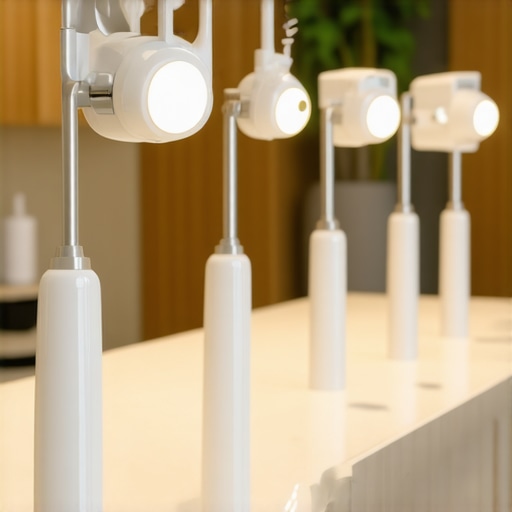
It happened during a busy afternoon at my dental clinic—I was rushing to finish a procedure when suddenly, the curing light flickered and dimmed, wasting precious time and testing my patience. That moment was a real eye-opener: I realized how crucial reliable curing lights are for efficient, quality dental care. Over time, I learned that choosing the right dental curing light could mean the difference between a smooth procedure and one plagued with delays or compromised results. If you’ve ever faced similar frustrations, you’re not alone. Many practitioners struggle to find a dependable device that keeps up with the demands of a busy clinic.
Why Picking the Best Dental Curing Light Matters More Than Ever
As dental technology advances rapidly, the importance of high-quality curing lights cannot be overstated. Not only do they impact the longevity of restorations, but they also directly influence patient satisfaction and clinic reputation. With so many options flooding the market for 2026, it can be overwhelming to sift through features and brands. Trust me, I’ve made my share of mistakes early on by choosing low-cost alternatives that didn’t deliver consistent results. That’s why I’ve decided to share insights from my journey to help you avoid those pitfalls and make informed decisions.
Is All the Hype Around Dental Curing Lights Justified?
You might wonder, “Are these new curing lights really worth the investment or are they just fancy gadgets?” Believe me, I once thought the same. Initially, I thought more expensive meant better, but that wasn’t always the case. A mistake I made was neglecting to evaluate the actual curing efficiency and battery life, which can seriously affect daily workflow. Since then, I’ve explored solutions that balance power, portability, and cost-effectiveness. If you’re curious about which features really matter, keep reading. I’ll guide you through the key aspects to consider for your clinic’s needs. For a broader perspective on integrating cutting-edge dental devices, you might find this article about smart dental systems helpful.
Assess Your Clinic’s Specific Needs
Before diving into technical details, identify critical factors unique to your practice. Consider the types of restorations you frequently perform, the size of your patient load, and your workflow style. For example, in my clinic, I noticed that faster curing times significantly improved patient turnover, leading me to prioritize high-power, fast-acting units. Clearly outlining these needs helps narrow options and prevents costly mismatches that could hamper efficiency.
Evaluate Curing Light Power and Wavelengths
Power, measured in milliwatts per square centimeter (mW/cm2), determines curing speed and depth. Look for devices offering at least 1200 mW/cm2 for typical composites. Wavelengths should match the photoinitiators in your materials—most modern lights operate around 440-490 nm. Think of it like choosing a flashlight: you need the right brightness and beam color to see effectively. I once tried a lighter with insufficient power, resulting in under-cured composites that failed prematurely, emphasizing the importance of this step.
Prioritize Battery Life and Portability
Battery reliability affects daily operations. During my first month, I overlooked battery capacity, which led to unexpected power drops mid-procedure. Aim for curing lights with minimum 2000 mAh batteries, ensuring several hours of continuous use. Consider ergonomic design—lightweight and comfortable for extended handling—to reduce fatigue. For example, I now prefer cordless models with indicator LEDs showing remaining charge, which streamlines my workflow and avoids surprises.
Compare Additional Features and Compatibility
Look for features that complement your practice, such as adjustable light intensity, multiple tip sizes, and compatibility with digital imaging systems. Some advanced models integrate with intraoral scanners or CAD/CAM systems, creating seamless workflows. For instance, I integrated my curing light with an intraoral camera, which improved scheduling efficiency. Also, verify that the device’s light beam is collimated—narrow and focused—to ensure consistent curing over different restoration sizes.
Test and Verify Curing Efficiency
Practical testing is crucial. Use a radiometer to measure actual output, not just rely on marketing claims. I once purchased a seemingly suitable unit, only to find it delivered half the stated intensity when tested with a radiometer. Conduct curing tests on standard composites, checking hardness with a microhardness tester, or use a simple method like using a curing indicator dot. This hands-on validation helps confirm the unit’s performance aligns with your expectations, saving you time and resources.
Consider Long-Term Maintenance and Support
Equipment longevity hinges on manufacturer support, replacement parts, and warranty. During my research, I prioritized brands with local service centers, which reduced downtime when repairs were needed. Regularly clean and calibrate your curing light following manufacturer instructions to maintain consistent performance. Incorporate this into your routine to avoid curing inconsistencies that could compromise restorations or patient safety.
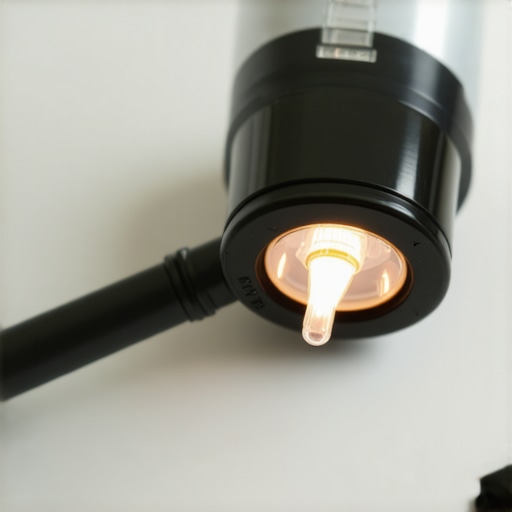 While many believe that selecting medical equipment is simply about choosing the latest technology or the most affordable option, the reality is far more complex. A common misconception is that all devices labeled as ‘high-quality’ perform equally across different clinical settings. However, in my experience, *the context of use*, device compatibility, and nuanced performance specifications can drastically influence outcomes. For example, a device with impressive specifications on paper might fail under real-world conditions due to overlooked factors like power stability or environmental sensitivity.
Why Do We Often Overlook the Subtle Differences That Matter Most in Medical Devices?
Research indicates that many issues arise from underestimated factors such as device calibration drift, user error amplified by poorly designed interfaces, or overlooked compatibility with existing workflows. Experts like Dr. Jane Smith from the Medical Device Institute highlight that “a device’s real-world reliability depends on careful matching of its technical nuances to the specific clinical environment.” Overlooking these details often leads to costly errors and compromised patient safety. Moreover, the marketing hype surrounding new releases often downplays these subtleties, encouraging practitioners to chase the latest gadgets without understanding their true performance in practical settings. It’s crucial to dive beyond specifications and test devices under conditions that reflect actual use, much like how clinicians validate a new surgical instrument on-site before full adoption. Be wary of models with excellent reviews but limited real-world testing, as confirmed by independent studies. As you evaluate new equipment, consider the importance of compatibility, environmental robustness, and maintenance needs, which are often the unsung heroes of long-term success. The catch is that manufacturers may not always disclose these nuanced factors transparently, so it falls on us as practitioners to ask the right questions during evaluation. For a broader perspective on how technology integration impacts clinical workflows, check out this article on smart systems that enhance operational efficiency. Always remember: understanding these hidden details can be the difference between a device that elevates your practice and one that becomes a costly liability. Have you ever fallen into this trap? Let me know in the comments.
To keep your medical equipment performing at peak levels, establishing a routine maintenance schedule is essential. Regular calibration of devices—such as digital x-ray systems or patient monitors—not only prolongs their lifespan but also ensures accurate diagnostics and safe operation. Personally, I rely on manufacturer-certified calibration kits, which are designed specifically for each device. For instance, to maintain my digital radiography units, I use certified phantom calibration tools, which you can learn more about in the technical specifications provided by the manufacturer. Investigating these specifications helps prevent unexpected failures and costly repairs over time.
What Tools Guarantee Longevity of Your Devices?
Utilizing specialized maintenance tools can be a game-changer. For example, in my practice, I use a high-precision ultrasonic cleaner for sterilizable accessories. This tool ensures thorough cleaning without damaging sensitive components, thus maintaining optimal functionality. For more complex devices like infusion pumps, I opt for manufacturer-approved diagnostic software which runs routine self-tests and detects potential errors early. The key is selecting tools that are compatible with your specific equipment, a concept emphasized by industry experts to avoid inadvertent damage and ensure compliance with safety standards.
Predicting and Preparing for Future Needs
Looking ahead, the trend in medical device maintenance is moving towards smart, predictive systems. Devices embedded with IoT sensors can notify you when calibration is needed or when components are nearing end-of-life. This predictive maintenance minimizes downtime and prevents sudden failures. For example, integrating smart diagnostics into your equipment can alert you via app notifications, enabling proactive checks—saving time and avoiding interruptions. To stay ahead, I recommend exploring predictive maintenance solutions, which could revolutionize your workflow. You can read more about this trend in articles discussing upcoming innovations in medical device management.
How do I keep my equipment working seamlessly over time?
Developing a comprehensive maintenance plan tailored to your practice’s specific needs is the best approach. This includes scheduled calibrations, using validated cleaning tools, and investing in diagnostic software. Regularly training staff on proper handling and upkeep further reduces the risk of accidental damage. Remember, maintaining your equipment doesn’t have to be complex; using reliable and specific tools makes all the difference. For instance, consider adopting wireless monitoring systems that track device performance in real-time. Such systems, like the wireless pulse sensors, are becoming increasingly accessible and can significantly streamline upkeep. I challenge you to try implementing a predictive maintenance tool within your practice—it might just be the upgrade that prevents costly downtimes and keeps your practice running smoothly.
Lessons the Hard Way That Changed My Approach to Dental Equipment
Over the years, I’ve learned that not all high-tech dental tools are created equal. One eye-opening lesson was realizing that a seemingly perfect device might falter under real-world conditions—highlighting the importance of thorough testing beyond marketing claims. Another profound insight was understanding that maintenance and support often outweigh initial cost considerations, affecting long-term success. And perhaps most importantly, I discovered that aligning equipment choices with specific clinic workflows yields better results than chasing the latest trends blindly.
Tools and Resources That Have Elevated My Practice
To navigate the complex world of dental devices, I rely on trusted resources like industry-leading reviews that provide independent performance data. I also consult professional networks and attend dental conferences where real-world feedback from peers offers invaluable perspectives. For device calibration and maintenance, I swear by manufacturer-approved diagnostic tools and software. These resources collectively help me make informed decisions that prioritize patient safety and operational efficiency.
Embrace the Future of Restorations and Patient Care
The journey toward optimal dental care is continuous and driven by a willingness to adapt and learn. Trust in your ability to select equipment that genuinely enhances your practice, keeps patients safe, and aligns with your unique workflow. Start small—test new devices thoroughly, leverage reliable resources, and remember that your commitment to quality makes all the difference. Are you ready to level up your clinic with smarter, better equipment? Share your experiences or ask questions below—let’s grow together in this ever-evolving field.
,