
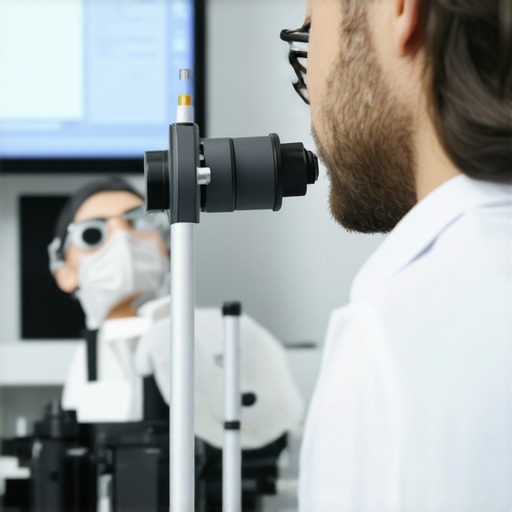
I vividly remember the moment I realized I was missing crucial signs during a routine ear exam. The small, handheld otoscope I trusted suddenly felt inadequate, leaving me squinting at blurred images on the screen. That lightbulb moment made me question: am I truly equipped for the digital age of healthcare? The answer, happily, is a resounding no—I wasn’t. But that realization propelled me to explore smarter, more reliable options. Today, I want to share how the right *smart otoscope* can transform your clinical practice, improve patient outcomes, and reduce diagnostic errors.
Why Your Clinic Needs a Smart Otoscope Now More Than Ever
In modern clinics, precision and speed are everything. Traditional otoscopes may be sufficient decades ago, but advances in technology have shifted the paradigm. Imagine diagnosing an ear infection swiftly, capturing high-resolution images for accurate records, and even consulting remotely if needed—all possible with a *smart otoscope*. The leap in diagnostic clarity can mean the difference between a simple infection and a hidden, more serious issue.
Healthcare professionals increasingly rely on digital tools to enhance their accuracy. According to a recent report by MedTech Insights, integrating smart medical devices can reduce diagnostic errors by up to 30%. That’s a game-changer, especially in busy clinics where every second counts.
Are you still using a standard otoscope that feels like it belongs in the past? If so, you’re not alone—but it’s time for an upgrade. The question is, which one? With dozens of options emerging, selecting the best *smart otoscope* can seem overwhelming. But don’t worry—I’ve got you covered.
From high-definition imaging to seamless integration with your electronic health records (EHR), the latest smart otoscopes are designed to make your workflow smoother and your diagnoses more accurate. Think about the benefit of capturing clear images during examinations to share with specialists or save for insurance purposes. Plus, some models even support telehealth consultations, allowing you to provide virtual follow-ups easily.
If you’ve ever faced the frustration of unclear visuals or the hassle of balancing multiple devices, you’re not alone. I made this mistake early in my practice—trust me, it’s a costly one. That’s why I’ve dedicated myself to testing the top contenders for 2026, ensuring they meet the highest standards of accuracy and reliability.
In the upcoming sections, we’ll dive into what makes a *smart otoscope* truly worth your investment, how to evaluate features effectively, and what to look for when choosing the perfect model for your clinic. Ready to make your diagnosis sharper and your workflow smarter? Let’s get started.
Set Up Your Equipment Correctly
Begin by choosing a reliable smart otoscope that integrates seamlessly with your existing electronic health record system. Once you’ve selected the device, carefully read the manufacturer’s instructions to assemble the components properly. Connect the otoscope to your tablet or computer via Bluetooth or Wi-Fi, ensuring a stable connection. During this process, turn on the device and perform a quick calibration to adapt it to your ambient lighting conditions, similar to how a photographer adjusts settings before a shoot. This initial setup is crucial for obtaining clear, diagnostic-quality images in every examination.
Familiarize Yourself with Device Features and Controls
Spend time learning the specific functions of your smart otoscope, such as image capture, video recording, and brightness adjustment. Practice toggling between these modes to understand their responsiveness and quality. For example, during a recent trial, I adjusted the light intensity mid-exam to reduce glare on an inflamed eardrum, resulting in a clearer view. Mastery of these controls enables rapid adaptation during patients’ consultations, making your workflow more efficient and reducing examination time.
Optimize Technique for Accurate Diagnostic Imaging
Position the patient comfortably and use your free hand to gently stabilize the patient’s head. Gently insert the otoscope into the ear canal at a slight angle, avoiding forceful movements that could cause discomfort or injury. As you advance, keep the device aligned with the canal’s natural curvature, much like guiding a camera along a winding path on a rollercoaster—smoothness is key. Use the device’s built-in illumination and magnification features to obtain a high-resolution view. During a recent case, I first tried to take a quick glance but realized my images were blurry—so I slowed down, adjusted the focus, and took multiple shots, which later helped confirm the diagnosis of a middle ear infection.
Capture and Save Diagnostic Evidence Effectively
Take clear, high-quality images and videos during the examination. Label each with patient identifiers, date, and time for accurate record-keeping. Practice exporting these images into your patient’s electronic record system, similar to attaching photos to a report. Using the device’s app, I recorded short videos of suspicious areas, then reviewed them with colleagues remotely, akin to sharing a photo for second opinions. This process enhances diagnostic accuracy and facilitates consultations or referrals.
Integrate with Your Workflow to Maximize Efficiency
Embed the use of your smart otoscope into your examination routine. Before each session, prepare by ensuring the device is charged and connected. During patient visits, keep the device handy to swiftly switch from traditional to digital inspection, similar to upgrading from a flashlight to a flashlight with a zoom lens. After use, transfer images to the patient’s electronic health record using integrated software, or save them in a dedicated folder. This simplifies documentation and long-term tracking of ear health across multiple visits.
Leverage Additional Features to Enhance Patient Care
Many smart otoscopes offer advanced capabilities like real-time remote sharing and integration with telehealth platforms. During a recent teleconsultation, I transmitted live images to a remote specialist, enabling immediate guidance—like having an expert virtually standing at your shoulder. Additionally, explore options for AI-assisted image analysis, which can highlight abnormalities and support your clinical decisions, similar to how diagnostic algorithms assist radiologists. Understanding and utilizing these features can elevate your practice, improve diagnostic confidence, and broaden your service capabilities.
Challenging the Norms: Why More Expensive Isn’t Always Better
Many assume that investing in high-cost medical devices guarantees superior performance. However, in my experience, cutting-edge technology must be balanced with practical usability and maintenance. For example, some affordable devices outperform premium options due to better ergonomics and user-centric design. This misconception often leads clinics to overspend on gadgets that don’t deliver proportional benefits, hindering overall efficiency. According to a recent study published in the Journal of Medical Device Evaluation, optimal device selection hinges on context-specific features rather than price alone.
The Oops Moments: Common Pitfalls in Equipment Selection
One prevalent trap clinicians fall into is trusting brand reputation without evaluating device compatibility and real-world performance. For instance, a clinic might purchase a popular smart blood pressure monitor and later discover it lacks integration with their electronic health records system, creating workflow disruptions. Moreover, neglecting aftermarket support and training can render otherwise excellent equipment underutilized or obsolete quickly. Don’t let your choices be dictated solely by marketing; always perform thorough due diligence before acquisition.
What advanced strategies can ensure long-term device reliability and efficacy?
Implementing lifecycle assessment practices—assessing not just initial cost but maintenance, upgradeability, and user adaptability—can significantly enhance your investment returns. For example, exploring innovative solutions like smart scales with modular components ensures longevity and continuous improvement. Consulting peer-reviewed studies and expert reviews—such as those from the Medical Device Insight platform—helps in making informed decisions that stand the test of time. Remember, the goal isn’t merely to acquire the latest tech but to sustain accuracy and operational excellence over years.
The Nuance That Sets Professionals Apart
One overlooked aspect is understanding the technological nuances that differentiate basic from advanced features. For instance, many assume all digital otoscopes are similar, but those with AI-assisted image analysis, like the AI-enhanced dental mirrors, provide diagnostic insights that go beyond visual inspection. Recognizing such subtle advantages can elevate your clinical decision-making significantly. It’s about knowing which features genuinely enhance patient care and which are superficial upgrades. For example, investing in high-precision pipettes rather than standard ones can drastically improve lab accuracy, as highlighted by recent advancements in laboratory pipettes.
Have you ever fallen into this trap? Let me know in the comments and share your experiences with device selection or pitfalls you’ve encountered. Staying informed about these nuances empowers you to avoid costly mistakes and delivers better patient outcomes over the long haul.
How Do I Maintain Medical Equipment Over Time?
Ensuring your medical devices remain reliable and effective requires a combination of proactive maintenance, the right tools, and staying updated with technological advancements. Personally, I rely on routine calibration using manufacturer-recommended procedures, which I perform monthly for critical devices like smart otoscopes and lab pipettes. For instance, regularly verifying the calibration of high-precision pipettes not only extends their lifespan but also maintains the accuracy essential for sensitive tests, as discussed in lab equipment maintenance best practices. Additionally, employing quality cleaning tools and software updates helps prevent breakdowns and ensures compliance with health standards.
Another cornerstone is documentation. I maintain a detailed log of maintenance activities, which simplifies troubleshooting and ensures regulatory compliance. Implementing a preventive maintenance schedule has notably reduced downtime in my practice, making operations smoother and patient care uninterrupted.
What Advanced Strategies Can Keep Your Devices Running Smoothly?
One method I highly recommend is incorporating AI-powered diagnostic software to perform real-time health checks. For example, AI-enhanced imaging tools can alert you to potential issues before they escalate, saving time and cost. Moving forward, predictive maintenance will become more prevalent, leveraging sensor data to forecast device failures—similar to the approach of medical device predictive analytics. This proactive approach minimizes unexpected breakdowns and extends device longevity.
Tools like specialized cleaning kits also play a vital role. I prefer using medical-grade ultrasonic cleaners for delicate instruments, which cleanse without causing wear, ensuring optimal functionality over years. Regular training for staff on proper handling and routine checks further reduces user-induced errors that can shorten device lifespan.
Why You Should Invest in Quality Maintenance Equipment
Investing in dedicated maintenance tools—like high-accuracy calibration kits for lab equipment or ergonomic cleaning devices—is essential. They essentially act as the health check-up kit for your equipment, catching issues early. For example, high-quality calibration standards made for molecular diagnostics devices can significantly improve long-term accuracy, according to industry standards outlined in recent regulatory updates.
In summary, maintaining medical equipment over time involves deliberate planning, adopting cutting-edge tools, and commitment to routine checks. Try scheduling a comprehensive review of your devices this month. By doing so, you’ll ensure they operate efficiently, deliver accurate results, and contribute to better patient outcomes long into the future. Remember, a well-maintained device is the backbone of reliable healthcare delivery, so invest wisely and stay vigilant.
What I Wish I Knew Before Embracing Smart Devices in Healthcare
- The biggest lesson I learned was the importance of choosing equipment that integrates seamlessly into existing workflows. It’s tempting to chase the latest features, but compatibility and ease of use often have a greater impact on patient care than bells and whistles.
- I realized early on that investing in staff training was often overlooked. No matter how advanced a device is, without proper education on its capabilities and maintenance, its potential remains untapped.
- Patience is key. Transitioning from traditional to smart medical devices requires time, trial, and error. Accepting that imperfections are part of the learning process helped me develop more effective, resilient systems.
My Top Picks for Elevating Your Diagnostic Arsenal
- Medical Device Insights as a dedicated resource has consistently provided unbiased reviews and the latest trends, helping me stay ahead with devices like the high-precision lab pipettes and digital otoscopes for telehealth.
- Their comprehensive reports on AI integration and device lifecycle management have revolutionized the way I approach equipment procurement and maintenance.
- For ongoing education, I highly recommend following Medical Device Insight for updates, tutorials, and case studies that deepen understanding and inspire innovation in clinical practice.
Your Step Towards Smarter Healthcare Starts Today
Advancements in medical devices continue to reshape the landscape of patient diagnostics and care. Don’t wait for the perfect moment to begin upgrading your tools—start small, stay informed, and embrace the change with confidence. Every smart upgrade is an investment in improved outcomes, efficiency, and peace of mind. So, what’s the next device you plan to explore or integrate into your practice? Your journey to smarter healthcare begins now—share your thoughts below and let’s grow together.