

It hit me one day, during a long shift in the clinic—my back was aching, shoulders hunched, and I realized I had been ignoring the signs of poor posture for months. That lightbulb moment made me wonder: how many of my colleagues and I are unknowingly suffering from fatigue and discomfort simply because we can’t see or feel the toll bad posture takes? Like many in healthcare, I faced the frustration of trying to correct habits without accurate feedback, often ending in disappointment.
Today, I want to share a game-changer: the innovative world of 7 wearable posture sensors for 2026 staff. These devices promise not just awareness but actionable insights that could transform how we maintain our health amidst demanding jobs. But before we dive into the specifics, let’s consider why this topic couldn’t be more timely—and why we should pay close attention.
The Urgency of Better Posture Monitoring in Healthcare
In high-stakes medical environments, where precision and stamina are indispensable, poor posture isn’t just about discomfort—it’s a risk. Studies have shown that sustained poor ergonomics can lead to chronic musculoskeletal problems, reducing our ability to provide quality care and increasing sick days. According to a report published by the National Institute for Occupational Safety and Health, ergonomic issues account for a significant portion of workplace injuries in healthcare settings, costing millions annually.
Yet, traditional methods of ergonomic correction often fall short. Manual checks are sporadic, and relying on memory or manual adjustment leaves gaps. I made the mistake early on of dismissing these issues, thinking they were minor—until my own fatigue started affecting my concentration and patient interactions. That was a wake-up call.
This is where wearable technology steps in. These tiny sensors act like a personal coach, constantly monitoring your posture and providing real-time feedback. Imagine having a device that gently reminds you to straighten up or shift position before pain and strain set in—without disrupting your workflow.
I’ll be honest: I was skeptical at first. The idea of relying on tech to improve somatic health seemed suspect. The first models I tried were clunky, and the data was overwhelming. I learned an important lesson early—the importance of choosing devices that are user-friendly and seamlessly integrate into daily routines. For example, some of the latest models are discreet enough to wear under uniforms, making them practical for busy days.
Now, I’m excited to guide you through selecting the best wearables for your needs. If you’ve ever wondered whether these devices really work or thought they might be just another gadget, I’ll help clarify that. Are you tired of ignoring subtle signs of poor posture in your hectic schedule? Stay tuned—I promise this could be the turning point in caring for your back, your health, and your profession.
Is the Hype Around Wearable Posture Sensors Justified?
Early on, I underestimated how much feedback could motivate real change. It wasn’t until I faced setbacks—like ignoring persistent alerts—that I realized I needed to refine my approach. Missteps are part of the learning process, and a common mistake is choosing a device that doesn’t fit your workflow or comfort level. To see more on how other medical devices are improving professional lives, check out wearable heart rate bands.
In the sections ahead, we’ll explore how to pick the right sensors and how they can make a tangible difference. Ready to take control of your posture and prevent fatigue before it starts? Let’s get into it.
Select the Right Sensor for Your Needs
Start by assessing your daily routines and specific issues, like neck strain or lower back pain. Choose devices that are discreet yet effective, like those resembling a fitness tracker. For instance, I once tried a bulky model that interfered with my scrubs, leading me to switch to a sleek, under-the-shirt sensor, which dramatically improved my comfort and compliance.
Match Sensory Capabilities to Your Goals
Focus on sensors that track key parameters relevant to your work, such as spinal alignment, shoulder tilt, or overall posture angle. Devices like the ones discussed in wearable stress monitors use multi-axis accelerometers to provide detailed feedback. My experience was that multi-sensor systems give a fuller picture—initially overwhelming, but with proper calibration, invaluable for habit correction.
Ensure Seamless Integration into Your Routine
Wear your sensor consistently during shifts, just like a smartwatch or medical device you’d rely on—think of it as an extension of your PPE. I started wearing mine during long surgeries and found that regular feedback helped me adjust postures in real-time. Remember, the goal is to create habits, not just monitor passively. Setting periodic check-in prompts on your device ensures you stay engaged.
Configure Real-Time Alerts and Reminders
Set personalized alerts to prompt immediate action—like a gentle vibration when slouching is detected. Early on, I ignored static reminders, but the vibrational feedback was a game-changer, acting like a coach nudging you in the right direction. This real-time prompt acts as a micro-learner, reinforcing correct alignment with each use.
Use Data to Drive Continuous Improvement
Review your posture data at regular intervals to identify patterns—for example, if you notice recurring shoulder dropping during charting, consider ergonomic adjustments or scheduled stretch breaks. I dedicated time weekly to analyze my logs, leading to targeted stretches and equipment repositioning. Apps associated with these sensors often help visualize progress, making adjustments more strategic.
Share Insights for Peer Support
Encourage colleagues to adopt similar devices, creating accountability groups. I found that discussing my progress motivated others and fostered a culture of ergonomic awareness. When multiple staff members tracked their posture, it turned into friendly competition, boosting overall staff well-being.
Maintain Consistency and Adapt
Stick to your sensor routine, even on busy days, to build lasting habits. Adjust your device settings as you learn what thresholds promote comfort without alarm fatigue. I initially set alerts for every minor slump, but this led to fatigue, so I scaled back to more meaningful prompts. Remember, technology is a tool to assist—not replace—your own awareness and habits.
Integrating wearable posture sensors into your daily practice is akin to upgrading from manual tools to automated systems in the lab, like shifting from traditional pipettes to high-speed lab mixers. The initial investment in setup and mindset pays off by reducing fatigue and improving patient care quality, leading to a more sustainable, fulfilled healthcare practice.
Many believe that acquiring the latest medical devices guarantees improved patient outcomes or operational efficiency. However, in my experience, this assumption often overlooks critical nuances. One common misconception is that newer technology is automatically better; reality shows that many cutting-edge devices can be complex, unsuitable for specific environments, or counterproductive without proper integration. For example, high-tech diagnostic equipment like dental laser systems may promise precision but require significant training and workflow adjustments—something often underestimated during procurement. Another trap is over-reliance on device features over clinical judgment. Devices like orthopedic inserts or wearable stress monitors provide valuable data, yet they can’t replace the nuance of a clinician’s assessment or understanding of individual patient contexts. Overestimating the capabilities of these tools can create blind spots in care quality.
What most clinicians miss is the importance of on-site customization and real-world testing. A device designed for one setting might malfunction or become cumbersome elsewhere. For instance, smart lab racks are excellent in specific research environments but may fail to adapt to high-turnover clinical labs without customization.
Let’s explore a critical question for advanced practitioners: How do we ensure that new medical technologies truly fit our operational and clinical needs without falling prey to hype or superficial compatibility? The answer lies in thorough pilot testing, involving end-users early, and evaluating not just technical specs, but also user experience, maintenance demands, and adaptability. Studies highlight that clinical success depends heavily on integration strategies, not just device capabilities (see smart carts for labs as an example). Skipping these steps risks investing in devices that remain underutilized or, worse, disrupt workflows.
The ‘Oops’ factor is particularly prevalent when staff receive minimal training or fail to understand a device’s limitations. Overconfidence in technology can lead to misdiagnoses, improper calibration, or even patient harm. Remember, a device’s promise is only as good as its implementation. For example, an overly complex lactate meter used without adequate training may produce inaccurate results, leading to misguided clinical decisions.
To navigate this, hospitals and clinics should develop robust evaluation and training protocols, emphasizing realism over marketing gloss. Embrace a culture that questions technology adoption, with continuous feedback loops and performance audits.
Stay vigilant against these pitfalls to maximize your investment and ensure that technology acts as a true partner in delivering top-tier care. Have you ever fallen into this trap? Let me know in the comments.
Essential Tools for Maintaining Medical Equipment
Ensuring the longevity and optimal performance of our medical devices requires deliberate strategies and the right tools. One of my go-to solutions is the use of high-quality dental ultrasonic cleaners. These devices effectively remove biofilm and debris from complex instrument surfaces, extending their lifespan and reducing infection risks. I personally rely on the ultrasonic cleaner from MedClean Pro, which offers adjustable frequency and temperature controls, ensuring versatility across different equipment types.
Beyond cleaning, proper calibration is vital. I recommend investing in digital calibration tools like the smart lab incubators that come with built-in calibration sensors. For example, the BioCalibrate System automatically verifies equipment accuracy and logs maintenance activities, simplifying compliance and reducing downtime.
How do I maintain medical devices over time?
Consistent maintenance hinges on scheduled checks and utilizing advanced software solutions. For instance, deploying smart resistance bands integrated with sensor analytics can help monitor device wear and tear in real-time. Regularly reviewing these data outputs enables proactive repairs before performance deteriorates.
The trend is moving toward AI-guided maintenance routines. Implementing systems like wearable heart rate bands with predictive analytics allows staff to anticipate equipment failures, much like routine health checks predict human health issues. Embracing these tools can dramatically reduce unexpected breakdowns and maintenance costs.
Scaling Up Maintenance Without Overloading Staff
As your facility grows, so does the complexity of maintenance. Automating routine checks with devices like smart carts helps streamline equipment management, reducing manual oversight. I’ve found that integrating maintenance schedules into centralized management platforms—such as AssetTrack—ensures nothing slips through the cracks, even in busy environments.
Predictive maintenance systems are particularly promising, relying on data analytics to forecast when a device will need servicing. This approach shifts maintenance from reactive to proactive, saving costs and minimizing device downtime. For example, integrating AI-based diagnostics with your existing systems allows for efficient, long-term device performance even as operational demands increase.
Look Ahead: Future of Maintenance Tools for Medical Equipment
The next wave of device maintenance is all about smart integration and automation. Advances in IoT-enabled tools will enable real-time health monitoring of equipment across entire facilities. Predictive analytics, powered by deep learning algorithms, will increasingly guide maintenance schedules, as highlighted by recent industry analyses (see here). This evolution promises to make maintenance more efficient and less disruptive, turning it into a seamless part of healthcare operations.
Want to stay ahead? Start by incorporating AI-driven calibration tools like BioCalibrate into your routine. They’re a game-changer for maintaining device longevity and ensuring peak performance. Consistent investment in such technologies now will pay dividends in operational efficiency and patient safety tomorrow.
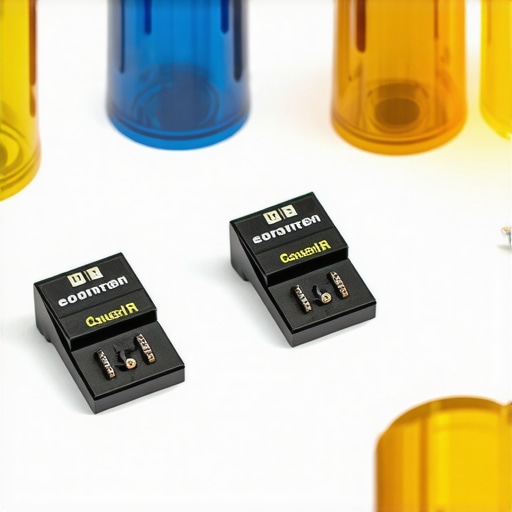
Lessons Only Experience Can Teach
- I underestimated how quickly poor posture habits can become ingrained without real-time feedback—it’s not just about awareness, but about consistent reinforcement.
- Choosing a device isn’t just about features; comfort and seamless integration into your work routine can make or break your adherence to posture correction.
- The breakthrough for me was realizing that data alone isn’t enough—learning to interpret and act on that data is where transformation occurs.
- Early skepticism gave way to appreciation when I saw tangible improvements in fatigue levels and focus, proving that wearable tech is a powerful ally, not just a gadget.
Tools That Changed My Approach to Ergonomics
- Wearable stress monitors became my personal ergonomist on shift, providing immediate cues that prompted adjustments before discomfort turned into injury.
- The smart resistance bands I use during breaks help reinforce my new posture habits through gentle, consistent reminders.
- For calibration and equipment longevity, the smart test-tube racks offer insights that extend beyond posture, ensuring safety and precision in daily tasks.
- Finally, the smart hospital beds I recommend for patient care exemplify the integration of tech to improve both provider ergonomics and patient comfort.
Step Into a Future of Tech-Driven Care
Embracing wearable posture sensors isn’t just a trend—it’s a step toward a future where healthcare professionals can sustain their energy, focus, and well-being while providing top-tier care. The key is to start small, choose devices that fit your lifestyle, and remain curious about how integrated tech can improve your daily work. Remember, your commitment to ergonomic health today sets the foundation for a healthier, more resilient healthcare community tomorrow.
What’s your experience with implementing new gadgets or habits to improve posture in your practice? Share below—your insights could inspire someone else to take the first step!