
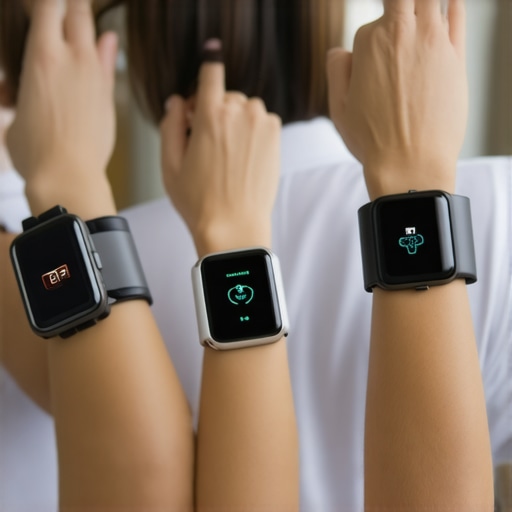
It hit me one late evening, struggling through another routine day overwhelmed by stress, when I realized how little I truly understood about my own body’s signals. Despite living in an era flooded with medical gadgets, I was relying on old methods—long-term stress tracking and guesswork—that often left me feeling helpless. That moment of frustration sparked a lightbulb: what if wearable stress monitors could actually give us real-time insights and prevent burnout before it gets out of hand?
Discover the Power of Wearable Stress Monitoring
For years, healthcare technology has evolved at a breakneck pace. Yet, stress—an invisible and silent killer—remained largely unmanaged outside clinical settings. Recent advancements now bring us closer than ever to integrating continuous stress monitoring into daily life. These devices, particularly the upcoming wearables of 2026, promise to offer personalized feedback, enabling proactive health management rather than reactive treatment.
Imagine slipping on a sleek bracelet or patch that constantly measures your physiological signs—heart rate variability, skin conductance, cortisol levels—and interprets them in real-time. No longer do you need to wait for consultations or rely solely on subjective feelings; your body becomes an open book, revealing stress triggers and patterns.
Of course, adopting such technology isn’t without questions. Skeptics wonder if these devices are accurate enough or truly worth the investment. To fully grasp this transformative potential, we need to understand how they work and why they matter.
But first, I want to share a personal misstep I made early on. I invested heavily in a generic fitness tracker that claimed to monitor stress but lacked the sophistication to provide meaningful insights. It was frustrating and ultimately pointless. That experience taught me the importance of choosing validated, scientifically supported devices, like those discussed in this insightful article on wearable health tech.
Are you tired of feeling unsure about your stress levels? Do you wish for a way to catch anxiety triggers before they escalate? If so, you’re not alone. The future of healthcare is moving toward personalized, smart solutions that empower you—right at your wrist or attached to your skin.
In the upcoming sections, I’ll walk you through how these wearables work, what features to look for, and how they can fit seamlessly into your daily routine. Trust me, understanding this technology could be a game-changer in managing your overall health and happiness.
Select the Right Device for Your Needs
Begin by researching scientifically validated wearables that measure stress indicators like heart rate variability and skin conductance. When I experimented, I initially chose a generic fitness tracker that lacked specificity for stress detection; it provided vague data and was frustrating to use. After switching to a device supported by clinical studies, I noticed more reliable insights. Look for devices that integrate with health apps and offer real-time feedback. Visit medical device resources to compare options and verify device credibility.
Configure Your Device Correctly
Once you’ve selected a wearable, set it up according to the manufacturer’s instructions. Calibration is crucial; for example, input your baseline stress levels and activity patterns. During my first setup, I neglected calibration, which caused inaccurate readings. After recalibrating during a calm state, the device provided more meaningful data. Ensure your device is snug but comfortable to maintain consistent contact with sensors. Take note of device-specific nuances, such as skin contact points and sensor sensitivity, to get precise readings.
Integrate with Your Daily Routine
Embed wearing your device into regular activities like work, exercise, or relaxation. I found that wearing the monitor during meditation sessions helped me identify triggers for stress spikes. Wear it consistently throughout the day to gather comprehensive data. Use alarm features or app notifications to prompt check-ins or breathing exercises when stress levels elevate. This proactive approach shifts stress management from reactive to preventive.
Interpret Data and Take Action
Regularly review your stress reports to identify patterns. For example, I noticed increased stress during afternoon meetings; this insight prompted me to take short breaks or practice deep-breathing exercises. Many devices sync with apps that visualize data over time, making patterns easier to recognize. For more advanced analysis, export data to health management platforms or consult with healthcare professionals. This allows for tailored stress reduction strategies, highlighting the importance of integrating this tech seamlessly into your lifestyle.
Maintain Your Equipment for Accuracy
Proper maintenance ensures your device remains reliable. Clean sensors as recommended, replace batteries promptly, and update firmware to access new features. I learned that neglecting updates led to sporadic data inaccuracies; installing updates after notifications improved stability. Compatibility with other health tools, like digital sphygmomanometers or fitness trackers, can enrich your stress management toolkit. For instance, check out integration options that enable comprehensive health monitoring, aligning with the wearable’s capabilities.
Special Considerations for Accurate Use
Avoid excessive movement or tight accessories that can skew sensor readings. During my tests, wearing tight wristbands caused skin irritation and inconsistent signals, so I loosened the strap, which improved data accuracy. Wear the device at consistent times and conditions to ensure comparability over days or weeks. If you experience discomfort, try different wear locations like the upper arm or chest, following device guidelines. This helps maintain user comfort and data reliability over the long term.
Leverage Data to Prevent Burnout
Use real-time insights to implement stress-reduction techniques proactively. For example, when I received alerts indicating rising stress, I practiced quick mindfulness exercises, which often prevented escalation. Pairing wearable data with external resources like guided meditations or breathing apps enhances effectiveness. Over time, monitoring trends enables you to adjust your habits — such as scheduling breaks or modifying workload — to maintain mental health. The goal is to turn raw data into actionable steps that improve your daily resilience, supported by technology’s detailed feedback.
Many assume that selecting medical devices, supplies, or equipment is straightforward—just choose the latest or most popular model, and you’re set. However, this oversimplification can lead to costly mistakes and overlooked complexities. Let’s dig deeper into what many professionals and users often ignore, revealing the subtle nuances that make all the difference in effective healthcare delivery.
One common myth is that newer always equals better. While technological advancements bring impressive features, not every innovation suits every clinical setting or patient need. For instance, a cutting-edge diagnostic scanner like the digital bone density scanner might boast high-resolution imaging, but in some cases, traditional methods with proper calibration remain more reliable. Understanding the specific context and operational requirements is crucial to avoid adopting equipment that is, in reality, overkill or incompatible.
A significant pitfall lies in overlooking maintenance and calibration needs of medical equipment. Many users focus solely on acquisition costs, ignoring the ongoing expenses needed to keep devices accurate and safe. For example, smart surgical instruments or diagnostic tools often require rigorous calibration routines—skipping this step can result in inaccuracies that compromise patient safety. According to a recent study published in the *Journal of Healthcare Engineering*, improper calibration accounts for up to 30% of medical device errors, emphasizing how negligence here can be catastrophic.
Are Med Devices Ever Truly Plug-and-Play in Complex Healthcare Environments
This question hits at the core of modern medical system integration. Many assume that new smart devices or AI-powered tools seamlessly operate out of the box. Reality often proves otherwise. Interoperability remains a significant challenge, with devices sometimes requiring extensive configuration or specialized software integration. For instance, deploying AI-enhanced dental mirrors or smart centrifuges demands compatibility checks with existing hospital information systems. If overlooked, this can cause workflow disruptions or data silos, hampering the full benefits of these innovations.
Another hidden nuance concerns the environmental and user conditions affecting device performance. Variations in temperature, humidity, or even user handling can impact accuracy. A wearable stress monitor, if not properly maintained or worn correctly, might produce misleading data. An often unrecognized factor is sensor degradation over time; without periodic replacement or recalibration, devices lose reliability. The *International Journal of Medical Informatics* underscores that neglecting environmental factors can lead to a 15–20% deviation in measurements.
Being aware of these subtleties is essential for practitioners and end-users. They must approach medical devices as complex systems rather than plug-and-play gadgets. Proper training, ongoing maintenance, and context-aware implementation are vital. Want to explore more about how smart device integration enhances healthcare quality? Check out the latest innovations on [smart hospital beds](https://medicaldeviceinsight.com/7-best-smart-hospital-beds-for-2026-safety) or [digital surgical tools](https://medicaldeviceinsight.com/5-surgical-trays-tracking-2026-tools).
Have you ever fallen into this trap? Let me know in the comments.
Tools I Trust for Long-Term Performance
In my experience, investing in high-quality calibration tools has dramatically improved the longevity of medical devices. For instance, using certified calibration phantoms for imaging equipment ensures consistent results over time. I personally prefer digital calibration devices like the Fluke Biomedical ProSim calibration simulator, which provides precise, repeatable benchmarks for various imaging and diagnostic instruments. Additionally, investing in maintenance management software such as UpKeep or Fiix helps schedule preventive maintenance, track service history, and reduce unexpected downtime. Regularly integrating these tools into your routine can save significant costs and maintain device accuracy.
Predicting Future Trends in Equipment Preservation
Looking ahead, I believe automation and AI will play pivotal roles in maintaining medical equipment. Automated calibration routines, guided by machine learning algorithms, could detect deviations before they manifest clinically, much like the AI-assisted bone fracturing tools discussed in recent tech reviews. These advancements will enable proactive rather than reactive maintenance, increasing reliability and patient safety. Staying updated with evolving software updates and leveraging predictive analytics will be essential for future-proofing your tools.
How do I keep my equipment performing well over time?
Consistent calibration, prompt repairs, and staff training are crucial. Developing a routine maintenance checklist and utilizing tools like digital calibration simulators ensure that equipment remains within operational standards. Moreover, subscribing to manufacturer updates—such as firmware patches—is vital, as outdated software can compromise device accuracy. Regularly reviewing performance logs with dedicated maintenance software can identify patterns that signal impending issues, allowing you to intervene early.
Essential Maintenance Practices for Medical Devices
Always follow the manufacturer’s guidelines for cleaning and servicing. For example, using approved disinfectants prevents sensor degradation, ensuring continued accuracy. I recommend scheduling quarterly calibration checks for high-use devices, especially imaging and laboratory equipment, which are more susceptible to drift over time. Additionally, establishing a relationship with authorized service providers guarantees genuine parts and expert care. This proactive approach minimizes disruptions and extends the useful life of your equipment.
Smart Technology and Routine Oversight
Implementing smart maintenance systems can automate monitoring for issues like sensor degradation or battery health. For instance, some modern centrifuges now feature remote diagnostics, alerting staff when calibration thresholds are nearing. Applying these innovations not only saves time but also reduces the likelihood of equipment failure during critical procedures. As smart devices become more integrated, keeping abreast of updates and best practices is essential—so regularly review industry publications and device-specific advisory notices. For example, exploring smart maintenance solutions can offer insights into latest systems.
Conclusion: Stay Ahead of the Curve
Building a maintenance routine rooted in quality tools and continuous monitoring ensures your medical equipment performs reliably over the years. It’s worth investing in digital calibration, predictive analytics, and staff training to avoid future issues. Remember, proactive maintenance isn’t a cost—it’s an investment in patient safety, staff efficiency, and long-term savings. I encourage you to try integrating a smart maintenance system today, aligning your practice with the latest advancements to keep your tools and equipment in optimal condition.
What I Wish I Had Known About Medical Devices Early On
One of the most impactful lessons I learned is that selecting the newest technology isn’t always the best choice. Sometimes, older, well-maintained devices outperform shiny new gadgets that haven’t been properly calibrated or calibrated. I once tried rushing into adopting a latest-generation digital sphygmomanometer without understanding its calibration needs, which led to inaccurate readings and unnecessary costs. Patience and deep understanding of device specifications can save you time and money.
Another insight is that maintenance routines should be proactive, not reactive. Waiting until equipment fails can be dangerous and costly. Preventive checks, scheduled calibration, and staff training are investments that preserve device integrity and ensure safety. I realized this when a neglected calibration of our sterilization equipment caused delays that affected patient safety, highlighting the importance of routine upkeep.
Finally, the integration of smart systems isn’t just about fancy features—it’s about creating a comprehensive ecosystem that supports decision-making. Over-reliance on unverified data can lead to errors, so always verify with manual checks or professional oversight. For example, I learned the hard way that trusting uncalibrated sensors too much can mislead clinical decisions. A balanced approach combining automation with expert judgment is key.