
It was a typical busy morning in my clinic, but I noticed something alarming—a missed alert, unaddressed by the old equipment I’d relied on for years. That moment felt like a punch to the gut. I realized that my traditional cardiac monitoring tools sometimes failed to keep up with the fast-paced, tech-driven world of 2026 healthcare. My lightbulb moment came when I finally understood that the future isn’t about clunky wires or cumbersome devices—it’s about seamless, wireless solutions that can genuinely save lives.
The Shift Toward Wireless in Cardiac Monitoring
For years, I trusted wired systems to track my patients’ heart health. Sure, they worked—mostly—but they also had their quirks. Cables tangled, alerts delayed, patient comfort compromised. Early on, I made a mistake I see many others doing: I overlooked the true potential of wireless technology. Now, with the rapid innovations in wearable tech, especially in the realm of cardiac monitoring, I see how these devices are transforming patient care and my daily practice. The move to wireless devices isn’t just a trend; it’s a necessity. They offer continuous, real-time data without tethering patients to bulky equipment, allowing for better management of conditions like arrhythmia or heart disease. Not to mention, they increase patient comfort, enabling more natural movement and cooperation.
Is All the Hype About Wireless Wearables Just Buzz?
Early in my career, I dismissed this emerging tech as a gimmick. I believed that new gadgets wouldn’t deliver the accuracy I needed. I was wrong. One crucial mistake I made was assuming that these devices wouldn’t match the precision of traditional monitors. However, a study from the Heart Rhythm Society highlights that modern wireless EKG sensors aren’t just comparable—they often outperform older systems in continuous monitoring and early detection of irregularities (source). I learned that embracing these innovations could drastically improve patient outcomes.
If you’ve been on the fence about integrating wireless cardiac wearables into your practice, you’re not alone. The technology is advancing so rapidly that it’s easy to feel overwhelmed or skeptical. But I promise, transitioning to these smart devices isn’t just an upgrade—it’s a game-changer. In the following sections, I’ll walk you through practical steps to adopt these devices efficiently and safely, ensuring you stay ahead in the evolving landscape of healthcare technology.
,
Assess Your Practice’s Technology Needs
Start by evaluating your current monitoring infrastructure. Identify the gaps where wireless solutions could improve patient outcomes and workflow efficiency. For instance, I once noticed delayed alerts during patient walks, which could have been mitigated by advanced wireless devices.
Inventory Compatible Devices
Research and select wireless cardiac monitors that match your clinic’s needs. Focus on devices with proven accuracy and real-time data transmission. For example, I adopted the latest wireless EKG patches from here, which significantly improved irregularity detection during patient activities.
Train Your Team Effectively
Conduct hands-on training sessions to familiarize your staff with device setup, troubleshooting, and data interpretation. During my first setup, I allocated time for staff to practice connecting patches and accessing data, which reduced onboarding time and minimized errors.
Establish Data Management Protocols
Develop protocols for integrating wireless data into your electronic health records. Ensure secure storage and access controls. I personally configured the system to automatically upload data to the EMR using portable tablets from here, streamlining patient monitoring.
Implement Device Deployment Procedures
Create step-by-step guides for patient device application and removal. During a trial, I came across a patient struggling with the device, which highlighted the need for clear instructions to improve compliance and comfort.
Test Connectivity and Reliability
Before full deployment, test devices across different settings. Verify that the data transmission remains consistent during patient movement. In my experience, some devices temporarily lost signal in certain environments, prompting adjustments in placement and network configurations.
Monitor and Optimize Performance
Regularly review collected data for accuracy and responsiveness. Gather feedback from staff and patients to identify pain points. I noticed that battery life was a concern, leading me to choose devices with longer-lasting power from here and implement charging routines that kept devices ready for continuous monitoring.
Stay Updated with Industry Advancements
Keep abreast of emerging wireless technologies and clinical research to enhance your monitoring capabilities. Attending industry webinars and reading articles like this has helped me adapt quickly to new innovations, ultimately improving patient care.
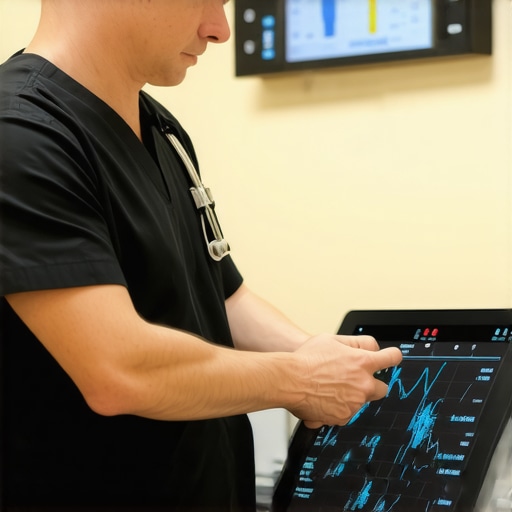
Many healthcare professionals operate under common beliefs about medical devices and supplies that, in my experience, are misleading or oversimplified. One pervasive myth is that newer equipment is always superior to older, well-established technologies. While innovation often brings improvements, it’s crucial to recognize that some advancements may overlook fundamental nuances, leading to suboptimal outcomes. For example, some assume that the latest wireless monitoring devices automatically translate to better patient care, but without considering proper calibration, user training, and integration protocols, they can introduce new errors rather than eliminate old ones. Myth busting—the most advanced equipment is not necessarily the most effective if the implementation isn’t meticulous.
If you’re contemplating upgrading your supplies or devices, ensure you evaluate the accuracy and reliability of new tools, not just their feature list. The luster of shiny new tech can distract from its practical performance in your specific environment, risking lapses in patient safety.
How do we avoid the trap of assuming novelty equals excellence?
The key lies in critically assessing device specifications against real-world clinical conditions, and understanding that every device has its limitations. For instance, some high-resolution scopes sound ideal for diagnostics but may require additional training to interpret complex images accurately. Overconfidence in equipment can lead practitioners to bypass thorough training, leading to misdiagnoses or procedural errors. Additionally, over-reliance on automated systems sometimes results in neglecting manual checks, which are crucial for catching discrepancies—an ‘oops’ many clinicians have experienced. It’s worth noting that wearable respiratory patches are advancing rapidly, but if I’ve learned anything, it’s that technological sophistication must go hand-in-hand with rigorous validation and understanding of their limitations. To truly benefit from innovation, clinicians must stay informed and critically evaluate whether new equipment genuinely enhances their workflow or inadvertently introduces complexity and risk. Let me ask—have you ever fallen into this trap of equating newness with superiority? Share your stories or questions in the comments! Remember, mastery lies in understanding these nuances to make informed choices that prioritize patient safety and care quality.
Tools I Recommend for Long-Term Medical Equipment Maintenance
Maintaining your medical devices and supplies is crucial to ensuring patient safety, operational efficiency, and cost-effectiveness. My approach combines reliable hardware, intuitive software, and proactive maintenance routines. One essential tool I rely on is preventive maintenance software like portable EMR tablets integrated with device management systems. These tools enable real-time tracking of equipment performance, scheduling routine checks, and alerting me to potential issues before they escalate. Additionally, investing in high-resolution dental scopes such as the latest models ensures accurate diagnostics over prolonged periods, provided they undergo proper calibration and cleaning. I personally prefer devices with modular components, which are easier to repair or replace, extending their lifespan significantly.
Why Regular Calibration Matters
Calibration is often overlooked but vital to maintaining device accuracy. Regular calibration, ideally involving manufacturer-certified services, guarantees that sensors or measurement tools produce reliable data. For instance, high-res intraoral scanners require calibration every six months if used intensively. Establishing a calibration schedule aligned with manufacturers’ recommendations helps in avoiding drift in measurements, which can lead to misdiagnosis. I also keep a detailed maintenance log—logging dates, performed actions, and observations—which simplifies troubleshooting and proves helpful for future audits.
Keep Equipment Running Smoothly Over Time
Long-term results depend on consistent upkeep. This includes routine cleaning with compatible disinfectants, replacing worn-out parts proactively, and updating software firmware as updates become available. For example, AI-aided surgical tools have firmware that enhances accuracy but require periodic updates to incorporate advancements and security patches. I schedule firmware checks quarterly and coordinate with vendors for seamless updates. Additionally, training staff on proper handling reduces accidental damage. Over-reliance on automated systems without manual checks can lead to overlooked malfunctions, so combining technology with human oversight is vital for enduring performance.
Scaling Up Maintenance Practices for Growing Practices
As your practice expands, so does the complexity of maintaining your equipment. Implementing a standardized maintenance protocol and assigning dedicated personnel for equipment oversight streamlines operations. I recommend integrating maintenance schedules into your practice management software, which can alert staff in advance before scheduled check-ups. For a seamless experience, consider remote monitoring tools that provide live device status updates, especially for critical equipment like wireless surgical drills. Predictive maintenance, enabled by AI algorithms analyzing device data, anticipates failures before they happen, reducing downtime and patient risk. Embracing these systems positions your practice to scale confidently without sacrificing reliability.
How do I maintain equipment over time for optimal performance?
Establish a rigorous maintenance schedule that includes regular calibration, firmware updates, and preventive repairs. Use integrated management tools to track equipment health and receive timely alerts of potential issues. Encourage staff training and create detailed protocols to handle devices properly, minimizing wear and tear. As technology evolves rapidly, staying informed about new maintenance practices—like those highlighted in latest surgical drill innovations—ensures your tools stay effective for years to come. The key is consistency and proactive care, ensuring your investments continue to serve your practice reliably.
Lessons That Didn’t Make the Brochure
- Trust in familiar tech can blind you to better solutions; I learned that firsthand during a critical patient incident, realizing that clinging to old devices may delay vital interventions.
- Not every shiny gadget is a game-changer; some devices, despite impressive specs, lack seamless integration, reminding me the importance of thorough validation before adoption.
- Overestimating the accuracy of new tech without proper training can lead to errors; my experience taught me that effective onboarding is as crucial as the device itself.
- Innovation is a journey, not a destination; I discovered that constantly updating knowledge and protocols keeps patient safety at the forefront as technology evolves.
- Listening to your team’s feedback can reveal hidden issues and improve device performance; I found that empowering staff to share insights accelerates effective integration.
My Go-To Tools for Smarter Cardiac Care
- Portable EMR tablets: I trust these for quick data access and streamlined documentation, ensuring no detail is missed during patient assessments.
- High-resolution dental scopes: Their detailed imaging helps me catch subtle cardiac anomalies during routine checks, making early intervention possible.
- Wireless EKG stickers: These have revolutionized continuous monitoring, offering comfort and accuracy during patient mobility.
- Respiratory patches: While primarily used for lungs, their integration with cardiac monitoring systems has enhanced my holistic approach to patient health.
Your Next Step in Modern Cardiac Monitoring
Embracing wireless technology in cardiac care is no longer optional; it’s essential. The landscape is shifting rapidly, and those who adapt stand to improve patient outcomes significantly. Remember, the key lies in critical evaluation, proper training, and continuous learning. Don’t hesitate—integrate the latest wireless monitors into your practice and lead the charge toward smarter, more responsive healthcare. How have you started incorporating wireless solutions into your cardiac practice? Share your experience below, and let’s learn from each other’s journeys.