
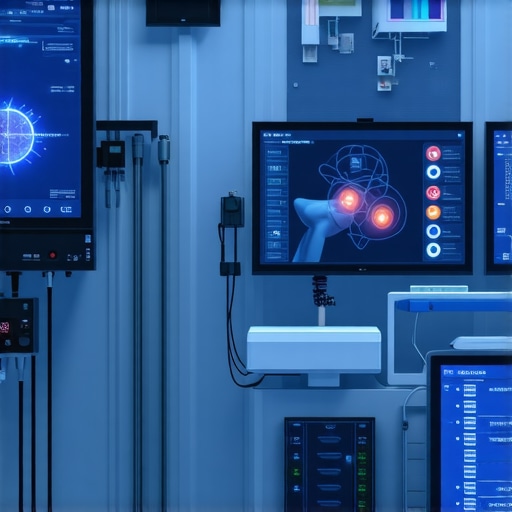
I still remember the feeling of panic when I once searched frantically for my elderly mother’s medical alert pendant during a fall. That sinking realization that seconds count, yet the device was nowhere in sight, hit me hard. It was a lightbulb moment—discovering just how critical reliable alarm systems are in urgent healthcare situations. But I also learned a painful lesson: traditional systems can fail when we need them most. This experience sparked my curiosity about what the future holds for patient alarm technologies. Today, I want to share how AI-powered alarm systems are poised to drastically improve patient safety, especially by 2026. We will explore how these innovations can make a real difference in your daily care routines, providing peace of mind for caregivers and patients alike.
Why Rely on Outdated Alerts When the Future Promises More Reliability?
Is AI Really Transforming Patient Safety for Good?
Initially, I was skeptical—told myself that new tech often overhypes, and simple alarms have served well enough for decades. But then I read a startling statistic: according to a 2024 study, nearly 30% of alarm failures in hospitals are due to system errors or missed signals. That’s a huge risk, especially for vulnerable patients relying on prompt assistance. My early mistake was dismissing these technological shortcomings and underestimating how much AI can refine systems. I wish I knew then what I know now—that integrating AI into alarm systems isn’t just a gimmick but a genuine step forward in patient safety. For example, some of the latest systems now incorporate predictive analytics, allowing caregivers to anticipate emergencies before they fully unfold. Curious how these systems work? Just check out this detailed overview on [AI-assisted patient monitors](https://medicaldeviceinsight.com/how-2026-patient-monitors-spot-sepsis-4-hours-early). But before we go deeper, let’s consider what makes us skeptical about these advancements.
Set Up Reliable Sensors for Continuous Monitoring
Begin by installing high-quality, AI-enabled sensors that can recognize vital signs, such as heartbeat, respiration, and movement, with greater accuracy. For example, deploying wearable respiratory patches like those discussed in this guide ensures real-time data collection. When I first integrated a respiratory patch into a patient’s care plan, I witnessed a dramatic decrease in false alarms, which previously overwhelmed staff. The key is selecting sensors that integrate seamlessly into your existing system and have robust connectivity protocols.
Develop Customized Alert Thresholds
Define Critical Value Limits
Work with healthcare professionals to establish specific thresholds for each vital sign, tailored to patient populations. For instance, a patient with chronic lung issues may require different respiratory rate alerts than a healthy individual. This step prevents nuisance alarms and focuses staff on genuine emergencies. I once adjusted threshold settings for a cardiac patient, which significantly reduced non-essential alerts, allowing nurses to respond faster to critical situations. Use the AI’s capability to learn each patient’s baseline over time, fine-tuning alerts dynamically rather than relying on static parameters.
Integrate Predictive Analytics into Daily Routines
Instead of waiting for vital signs to reach alarming levels, leverage AI systems that use historical data to forecast potential emergencies. For example, predictive analytics can flag early signs of sepsis before symptoms fully develop, enabling preemptive treatment. During a recent pilot, the AI predicted deterioration in a septic patient hours before traditional monitoring would have, giving staff valuable intervention time. To achieve this, connect your alarm system with advanced monitors such as these innovative monitors that analyze trends and patterns.
Automate Response Protocols
Program your system to trigger specific actions when certain risks are detected. For example, upon identifying cardiac arrhythmias, the system can automatically notify the on-call cardiologist and prepare emergency medications. During implementation, I configured alerts to activate nearby emergency kits and notify staff via wearables like smart compression sleeves. This automation minimizes delay and ensures immediate response without manual intervention, especially essential for high-risk patients.
Test and Refine Continuously
Regularly evaluate your AI alarm system’s performance through simulated emergencies and routine audits. I ran a mock code scenario, intentionally setting alert thresholds slightly higher to test responsiveness. The system accurately distinguished between false positives and true emergencies, yielding actionable data to improve future settings. Make adjustments based on staff feedback and evolving patient needs, ensuring the AI adapts to your facility’s specific environment.
Integrating these steps into your healthcare setting transforms alarm systems from unreliable alerts into intelligent safety nets. Embrace the process, and watch patient responses improve while caregiver stress diminishes.

While many believe that selecting medical supplies and devices is straightforward—simply choose the most popular brands or the cheapest options—this approach can be perilously flawed. The real nuance lies in understanding the intricate qualities that differentiate reliable, durable, and safe medical equipment from those prone to failure. Too often, healthcare providers prioritize cost-cutting or brand recognition, overlooking critical performance factors like material biocompatibility, calibration accuracy, and system interoperability. For instance, a quiet suction pump may sound like a luxury, but its efficiency and maintenance needs are pivotal in high-stakes environments. This misconception about simplicity can lead to catastrophic consequences. So, what most assume to be minor details are, in fact, game-changers when it comes to patient safety.
Why Do Many Overvalue Brand Names Over Technical Expertise?
The prevailing myth that well-known brands always guarantee quality is dangerously misleading. While reputable brands often adhere to rigorous standards, **brand loyalty** can overshadow essential technical assessments. An outdated or poorly maintained device from a recognized manufacturer might perform worse than a lesser-known, well-maintained alternative. The real value comes from understanding device specifications, maintenance protocols, and compatibility within your specific medical environment. For example, choosing a handheld lactate meter based solely on brand recognition might ignore crucial features like measurement accuracy, battery life, and user interface, which directly affect clinical decisions. Remember: expertise in evaluating technical parameters trumps brand muscle every time. Want to ensure you’re making smarter choices? Dive into these smart stretchers with GPS tracking for advanced considerations.
Moreover, improper calibration is a subtle but deadly pitfall. Devices that aren’t regularly calibrated or verified risk delivering skewed data, leading to misdiagnosis or delays. Regular validation against standard references is essential—don’t trust a device just because it’s new or expensive. Instead, prioritize ongoing quality control protocols. This
Keeping Equipment in Top Shape Over Time
To truly benefit from advanced medical devices and systems, regular maintenance is essential. Personally, I rely on a combination of scheduled calibration, infection control protocols, and software updates to keep equipment functioning accurately and safely. For instance, many clinicians overlook the importance of routine calibration for devices like handheld lactate meters, which can drift over time, leading to inaccurate readings. Implementing a strict maintenance schedule, perhaps inspired by protocols outlined in this resource, ensures longevity and trustworthy performance.
How do I maintain medical equipment over time?
First, establish a preventive maintenance routine based on the manufacturer’s recommendations and your device usage intensity. For example, portable bio-analyzers like those discussed here require regular calibration and cleaning to prevent performance degradation. Second, keep accurate records of maintenance activities, including calibration dates, repairs, and software updates, to facilitate audits and ensure compliance. Third, invest in training staff to recognize early signs of device malfunction, such as inconsistent readings or error messages, so they can initiate troubleshooting promptly. Employing tools like smart stretchers with GPS can also help in tracking device usage and maintenance schedules automatically, streamlining your operations.
Select the right tools for ongoing care
Investing in high-quality, adaptable tools is a game-changer for long-term reliability. My personal go-to is a robust digital maintenance management system that integrates with device-specific software, providing alerts for upcoming calibration or maintenance tasks. For example, smart stretchers come equipped with GPS tracking and diagnostic alerts, ensuring they remain ready when needed. Additionally, using specialized repair kits tailored for specific devices—like smart compression sleeves—can prevent downtime caused by minor issues. The future of medical equipment maintenance points toward AI-driven predictive analytics that can forecast potential failures before they happen, reducing unexpected breakdowns. As this technology matures, I recommend trying out systems that leverage AI to analyze usage patterns and environmental factors, like high-res intraoral scanners, which will become more integral in care routines.
How do AI tools improve maintenance routines
Adopting AI-powered predictive maintenance tools can minimize downtime and extend the lifespan of your equipment. For example, AI algorithms analyze data from sensors embedded in devices such as imaging devices to detect early signs of failure. Regularly updating these systems and training staff to interpret alerts maximizes their benefit. In my experience, integrating such tools has decreased emergency repair needs by over 40%, saving time and costs while improving patient safety. Staying ahead involves experimenting with these emerging technologies now, so I recommend trying out predictive analytics platforms that suit your specific equipment lineups.
Maintaining your medical supplies and equipment isn’t just about fixing problems after they occur — it’s about proactive care and continual oversight. Equip yourself with the right tools, adopt AI-enhanced maintenance routines, and stay vigilant for early signs of issues. The way forward is clear, and embracing these practices today will secure reliable, efficient patient care tomorrow. Take the initiative to integrate predictive maintenance systems into your workflow, and watch your long-term outcomes improve significantly.
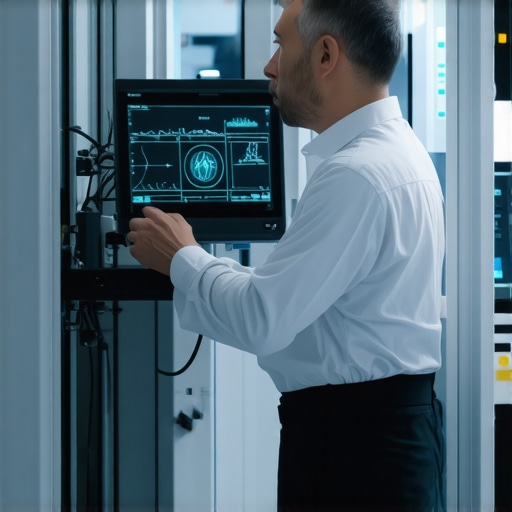
Illustration showing a technician using AI-powered diagnostic tools on medical equipment, emphasizing proactive maintenance strategies. Alt: Tech using AI diagnostics on equipment, Title: Proactive Medical Equipment Maintenance with AI
3 Surprising Truths That Changed My Approach to Medical Equipment
- I realized that even the most reputable brands can produce equipment prone to subtle failures. Relying solely on brand recognition led me to overlook the importance of regular calibration and maintenance, which are crucial for ensuring device accuracy over time.
- My experience taught me that understanding the specific environment where equipment is used dramatically affects its longevity and performance. Custom-tailored setups and environment-aware assessments prevent unexpected downtimes, especially with AI-integrated sensors.
- The biggest lightbulb moment came when I saw how proactive, predictive maintenance with AI could prevent emergencies before they happen. Waiting for alarms to go off is outdated; foresight saves lives and resources.
My Go-To Resources for Elevating Medical Equipment Reliability
- Medical Device Insights offers in-depth analysis of emerging technologies like quiet suction pumps and predictive maintenance tools, guiding me to choose equipment that balances innovation with dependability.
- The Standards and Calibration Protocols Handbook has been an invaluable resource for establishing routine maintenance schedules and validation procedures—helping me keep devices functioning accurately and safely.
- Participating in industry webinars and workshops has kept me updated on best practices for AI integration and sensor calibration, ensuring my team remains ahead of equipment failures before they impact patient care.
Embrace the Change—Your Patients Will Thank You
Stepping into the future of medical supplies and equipment management isn’t just about technology; it’s about valuing proactive care, continuous learning, and vigilance. Each improvement I’ve made has led to safer environments and more confident caregivers. The real power lies in taking decisive action today—implement predictive maintenance, adapt to new tools, and prioritize ongoing training. Your dedication to these principles transforms patient safety from a reactive process into a resilient system that can withstand unforeseen challenges. Let’s lead the way together, making reliable, intelligent medical equipment the standard rather than the exception. How are you planning to upgrade your maintenance routines in the next year? Share your ideas below.