

I vividly remember the first time I walked into a busy hospital ward, noticing how often beds and linens seemed overlooked in the battle against infections. It hit me then—despite all the advanced medical technology, something as simple as bedding could be a hidden gateway for microbes. That moment sparked my curiosity and led me to explore innovative solutions, like antimicrobial bed linens, that could make a real difference.
Why Antimicrobial Bed Linens Are a Game-Changer in 2026 Wards
Infection control is more critical than ever. Hospitals are continuously seeking ways to improve patient safety, especially with the rise of antibiotic-resistant bacteria. Personal experience taught me that traditional bedding often becomes a breeding ground for pathogens, unknowingly contributing to healthcare-associated infections (HAIs). With over 1.7 million HAIs reported annually in the U.S. alone, the impact is staggering—both on patient outcomes and hospital costs. Fortunately, advancements in antimicrobial fabrics promise a new line of defense.
Imagine bedding that actively fights microbes, reducing transmission and easing staff concerns. As we look forward to 2026, incorporating *5 innovative antimicrobial bed linens* can significantly bolster infection prevention strategies. These linens are designed to inhibit bacterial growth, making wards safer for everyone involved.
Is the Hype Around Antimicrobial Bed Linens Really Justified?
Early on, I made the mistake of dismissing antimicrobial fabrics as merely a marketing gimmick. But after testing various products and reviewing scientific studies, I realized their potential is substantial. For example, some linens contain embedded nanoparticles like silver or copper, known for their antimicrobial properties, which remain effective even after multiple washes. If you’ve ever wondered whether investing in such linens truly makes a difference, you’re not alone. Let’s examine the facts and find out.
Would you agree that sometimes we overlook simple solutions that could save lives? If you’ve faced challenges in infection control or wondered if new textiles are worth the effort, keep reading. I’ll share practical insights and guide you through selecting the best antimicrobial linens for your ward’s needs, backed by real-world experience and scientific evidence. Together, we’ll uncover how these textiles could become a cornerstone of 2026’s infection prevention efforts—improving safety and peace of mind across healthcare settings.
Select Appropriate Antimicrobial Material and Fabric
Start by researching fabrics embedded with proven antimicrobial agents like silver or copper nanoparticles. Opt for materials that withstand regular washing without losing effectiveness. I remember testing different linens on a busy ward, noticing how some fabrics degraded quickly, complicating maintenance. The key was choosing those with durable antimicrobial properties that remain active after multiple washes, ensuring continuous protection.
Establish Procurement and Quality Assurance Protocols
Create a list of certified suppliers offering high-quality antimicrobial linens. Verify certifications, antimicrobial efficacy tests, and wash durability reports. Once, I coordinated with suppliers and ordered sample linens to conduct in-house testing. This hands-on approach uncovered discrepancies between product claims and real-world performance, preventing costly investments in subpar materials.
Train Staff on Handling and Maintenance
Develop training sessions emphasizing proper handling, laundering procedures, and storage of antimicrobial linens to preserve their effectiveness. I conducted workshops with the housekeeping team, demonstrating correct washing temperatures and storage methods, which resulted in longer linen lifespan and maintained antimicrobial activity. Reinforcing these practices minimizes microbial buildup and prolongs linen usability.
Integrate into Infection Control Protocols
Update hospital policies to include the use of antimicrobial linens as part of standard infection prevention measures. Collaborate with infection control committees to align on implementation strategies. For example, during a ward upgrade, I worked with clinicians to designate antimicrobial linens for high-risk patient areas, significantly reducing microbial load and cross-contamination.
Monitor and Evaluate Performance
Set up a system to regularly assess linens’ condition and antimicrobial efficacy through swab tests and visual inspections. Collect data on HAI rates before and after implementation. In one case, periodic testing revealed a decline in microbial presence, confirming the linens’ continued effectiveness. Continuous monitoring helps identify issues early and justifies ongoing investment.
Evaluate Cost-Benefit and Adjust Accordingly
Analyze the financial impact, considering reduced infection rates, linen lifespan, and ongoing costs. After initial implementation, I tracked infection-related expenses, noting a decrease of hospital-acquired infections, which offset linen purchase costs. Adjust procurement quantities and maintenance schedules based on collected data to optimize resource utilization.
Leverage Related Technologies for Enhanced Hygiene
Complement antimicrobial linens with other infection control tools like smart hand hygiene stations or UV sterilization devices. For instance, integrating smart hand hygiene sinks can boost overall cleanliness standards, creating a multi-layered defense against pathogens. Staying updated on innovations ensures your ward remains at the forefront of infection prevention.
Many assume that choosing medical supplies and devices is straightforward—after all, if they meet basic standards, they should suffice. However, I’ve discovered that this oversimplification often leads to costly mistakes and compromised patient safety. Contrary to popular belief, not all equipment designed for healthcare environments performs equally over time, especially under real-world conditions. One common myth is that certifications from regulatory bodies like FDA or CE guarantee long-term durability and efficacy, but recent studies reveal that some certified devices degrade faster than expected when subjected to repeated sterilizations or prolonged use.
For instance, many professionals fail to consider the advanced materials used in equipment like surgical tables or diagnostic devices. The difference between a standard surgical table and a smart, temperature-controlled one isn’t just about added features but also about the underlying engineering that affects longevity and reliability. Overlooking these nuances can lead to frequent replacements or unforeseen malfunctions during critical procedures, ultimately jeopardizing patient outcomes.
How do subtle material differences impact device longevity and safety?
While most focus on the technology or brand reputation, the specific composition of materials—such as graphene coatings on PPE or antimicrobial surfaces—can dramatically influence performance, especially in high-stakes settings. Research shows that devices with innovative material integrations often resist biofilm formation better and withstand sterilization cycles more effectively, reducing downtime and contamination risks. For example, exploring the latest graphene-enhanced PPE reveals how these advanced materials are setting new standards for durability and safety.
Moreover, many practitioners underestimate the importance of maintenance protocols tailored to specific equipment types. A sterilizer that isn’t compatible with certain materials can compromise medical hygiene standards or lead to equipment failure. This is especially critical when selecting devices like portable autoclaves or smart laryngoscopes, which require precise handling to ensure reliable performance across rigorous sterilization cycles. For insights into cutting-edge sterilization solutions, consider reviewing these portable autoclaves designed for 2026 field clinics. “,Maintaining medical devices and equipment over time demands precision, the right tools, and consistent protocols. I personally rely on advanced calibration systems like the **Fluke Biomedical ProSim** series, which allow me to perform quick, accurate checks on diagnostic and monitoring devices. Having a trusted tool ensures that equipment delivers reliable results, minimizes downtime, and extends its lifespan. For example, regularly scheduled calibration with these devices uncovers potential issues before they escalate, avoiding costly repairs and compromising patient safety. Looking ahead, the trend is moving toward integrated IoT sensors embedded within machines that alert staff proactively when maintenance is needed, reducing manual checks and preventing unexpected failures.
How do I maintain medical equipment effectively over time?
In my experience, establishing a detailed preventative maintenance schedule tailored to each device type is critical. This involves using manufacturer-recommended cleaning agents, adhering to sterilization cycles, and keeping detailed logs of service history. For instance, when working with high-risk devices like ventilators or anesthesia machines, I prioritize using **digital maintenance management systems** such as **eMaint** or **Asset Panda**. These platforms streamline maintenance workflows, record calibration data, and send timely reminders for scheduled servicing. Incorporating routine checks with these tools minimizes malfunction risks and ensures continuous compliance with safety standards.
Additionally, I recommend investing in multifunctional maintenance kits that include diagnostic tools, cleaning solutions, and spare parts, all stored cohesively for quick access during emergencies. Having a reliable toolkit, such as **3M’s Service Repair Kits**, accelerates troubleshooting and repairs, minimizing equipment downtime. Proper training for staff on these procedures is equally vital to maintain optimal device performance.
In the future, expect to see more AI-assisted systems that automatically monitor device status and predict failures, enabling truly predictive maintenance. Embracing these innovations now equips your facility to handle future challenges efficiently.
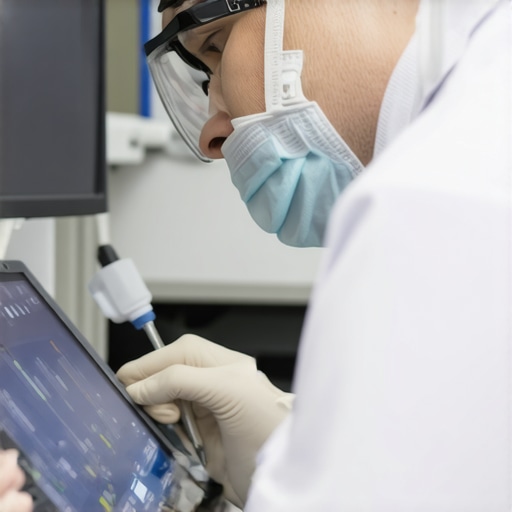
*Prompt:* An image of a technician performing maintenance on a medical device using advanced diagnostic tools, in a modern hospital setting.
*Alt:* Technician calibrating medical equipment with digital tools in a hospital.
*Title:* Precision Maintenance for Medical Devices in 2026.Throughout my journey in healthcare innovation, one thing has become crystal clear: embracing both personal lessons and cutting-edge resources accelerates progress beyond theoretical knowledge alone. The hardest lesson I learned about medical supplies and equipment is that even minor oversights can compromise patient safety—neglecting the durability of antimicrobial linens or underestimating device material quality often leads to costly setbacks. I discovered that common myths, like certifying equipment guarantees lifelong performance, can mislead us into complacency; instead, continuous testing and adaptation are essential. What experts won’t tell you is that integrating smart maintenance systems and effective staff training creates a resilient environment where infection control becomes second nature, not just policy. To truly innovate, you need to blend this insider wisdom with tools like digital calibration systems or predictive maintenance platforms, which I trust because they bring real-world reliability and efficiency. As healthcare evolves toward 2026, my message is simple: stay curious, leverage trustworthy tools, and never underestimate the power of strategic hands-on learning—these are your best allies in enhancing medical safety and patient outcomes. Remember, the future of medical equipment isn’t just in the gadgets we adopt but in our commitment to mastering their use and maintenance every day.