
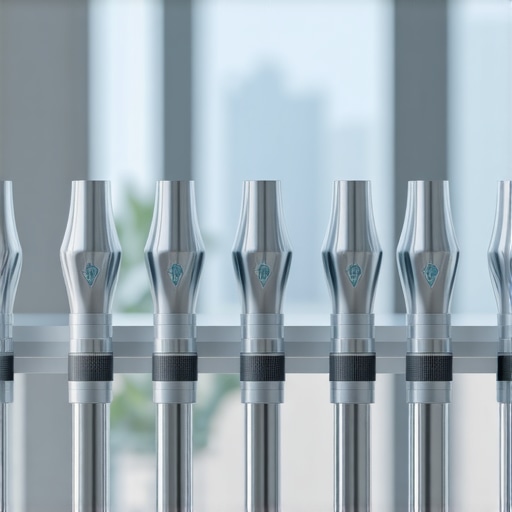
It was a typical Tuesday morning when I watched my colleague struggle with a sluggish, outdated colonoscopy scope. The frustration was palpable—delays, missed details, and rising patient discomfort. At that moment, I realized how much technology has the power to transform such critical procedures. That lightbulb moment sparked my curiosity about the upcoming wave of AI-Enhanced Colonoscopy Scopes set to debut by 2026. These innovations promise more accurate diagnostics, quicker procedures, and better patient outcomes. But with so many options looming, I wondered—are they really worth the hype?
The Future of Colonoscopy: Why Now is the Time to Pay Attention
In my many years of working alongside medical professionals, I’ve witnessed how technology can either leap forward or lag behind, often depending on our willingness to embrace change. When I first heard about AI integration into endoscopy equipment, I was both excited and skeptical. Like many, I made the mistake early on of assuming that new gadgets were just shiny add-ons without tangible benefits. It wasn’t until I saw real-world case studies and peer-reviewed research that I started to understand the true potential.
According to a recent study published in the Journal of Medical Devices, AI-assisted colonoscopy can reduce missed adenomas by up to 30% compared to traditional methods. That’s a remarkable leap forward, especially considering the prevalence of colorectal cancer. Technology like the upcoming 7 AI-Enhanced Scopes aims to augment the endoscopist’s vision, making detection more reliable and procedures more efficient.
If you’ve faced the challenge of unreliable imaging, cumbersome equipment, or the fear of overlooking early signs, you’re not alone. These issues have pushed many of us to seek smarter, more integrated tools—just like I did during my initial misstep. A collaborative approach that combines human expertise with advanced AI is our best chance to improve patient care.
Now, I’d like to invite you to explore how these innovations can help overcome the limitations you’ve encountered with traditional scopes. But first, let’s consider what makes this new generation of colonoscopes truly promising—and whether they’re as groundbreaking as claimed.
Is the AI-Enhanced Scope Buzz Actually Just Hype?
While skepticism is healthy, it’s important to distinguish between marketing hype and real progress. I remember early on thinking that all new devices were just marketing fluff, but a deeper look revealed genuine advantages, especially when I made the effort to engage with clinical trials and expert reviews. For a more comprehensive understanding of device innovations, you might find it helpful to check out insights on related medical devices, such as ***[9 Anti-Microbial Surgical Gowns for 2026](https://medicaldeviceinsight.com/9-anti-microbial-surgical-gowns-for-2026-med-triage)***, which set a precedent for adopting advanced, infection-resistant materials in medical technology.
Having faced initial setbacks with early AI tools, I understand the importance of cautious optimism. So, let’s examine what makes these 7 upcoming scopes so potentially transformative and how they could reshape your practice by 2026.
Assess Your Current Equipment and Workflow
Start by thoroughly evaluating your existing colonoscopy setup. Document the limitations you’re facing, such as image clarity issues or prolonged procedure times. Reflect on how your current tools, like traditional scopes, might be hindering diagnostic accuracy. During my early days, I used a standard scope that often missed subtle lesions, which spurred me to identify pain points before adopting new technology.
Research and Choose the Right AI-Integrated Technology
Next, delve into available options, focusing on those with proven clinical benefits. For example, compare features of the upcoming AI scopes that aim to detect adenomas more reliably than conventional devices. Look for systems that have undergone peer-reviewed studies demonstrating up to 30% reduction in missed lesions. I found that comparing different models as if selecting a new car—considering safety ratings and reviews—helped streamline my decision.
Prepare Your Team for Transition
Training is critical. Organize hands-on sessions, mimicking how I trained on new surgical tools in a simulated environment to reduce patient risk. Ensure staff understands how AI features assist in real-time detection and decision-making. Incorporate tutorials from device manufacturers and practice with simulated procedures. This proactive approach minimizes errors during live procedures.
Integrate Technology Methodically into Practice
Implement the new scope gradually. Begin with selected cases, akin to how I started by testing a new lab pipette before full adoption. Standardize calibration and maintenance routines—think of it as tuning a musical instrument for consistent performance. Document outcomes meticulously to identify areas for adjustment.
Optimize Imaging Conditions
Maintain optimal lighting and cleaning protocols to ensure AI systems perform at their best. Use cleaning methods compatible with the new scopes, similar to upgrading surgical gowns with antimicrobial properties for added protection, as discussed in antimicrobial surgical gowns. Proper preparation enhances AI detection accuracy and prolongs device lifespan.
Monitor Performance and Gather Feedback
Continuously review procedure data, noting the number of lesions detected versus previous methods. Solicit feedback from your team—much like gathering peer reviews after implementing a new protocol. Adjust workflows based on real-world experience, aiming for smoother integration and improved patient outcomes.
Many professionals assume that selecting medical equipment is a straightforward process driven solely by cost and basic functionality. However, this oversimplification often leads to costly mistakes and suboptimal outcomes. Let’s uncover some common misconceptions and advanced pitfalls that even seasoned practitioners might overlook, ensuring you make informed choices that truly enhance patient care.
One widespread myth is believing that newer models or the most popular brands are automatically superior. In reality, *compatibility and contextual needs* should guide your decisions. For example, a state-of-the-art pulse oximeter might boast impressive specs, but if it’s incompatible with your existing electronic health record system, it becomes a paperweight. Always evaluate integration capabilities and workflow compatibility, not just raw features.
Another trap is neglecting the microbiological risks associated with equipment. Many assume that once a device is sterilized, it’s safe indefinitely. But some surfaces and materials, like certain plastics or metal alloys, can harbor microbes or degrade over time, even after cleaning. Investing in equipment with antimicrobial coatings—such as those discussed in the antimicrobial gowns article—can significantly reduce infection risks, especially in high-use environments.
A crucial advanced mistake involves overlooking the *training and usability* aspects of medical devices. Cutting-edge technology might promise outstanding performance, but if your staff isn’t adequately trained, the device’s potential remains untapped. For example, newer lab pipettes equipped with advanced volume controls require specialized handling—misuse can lead to inaccuracies compromising research results. Therefore, investing in comprehensive staff training and user-friendly interfaces is essential.
Now, how can understanding these nuances benefit your practice? By scrutinizing the *actual application context*, *compatibility*, and *usage environment*, you ensure your investment delivers value rather than becoming an idle asset. For instance, choosing the right handheld vein scanner that seamlessly integrates into your triage workflow can save time and improve diagnostic accuracy, as detailed in the latest insights on vein scanners.
Why Do Equipment Myths Persist Among Medical Professionals?
This question probes into the roots of misconceptions that continue to influence clinical choices. Often, industry marketing, peer influence, and the allure of the latest gadgets perpetuate the belief that newer or more expensive equates to better. Scientific studies, such as those published in peer-reviewed journals on *technology adoption in healthcare*, highlight that informed, evidence-based decisions lead to optimal outcomes. For example, adopting materials like antimicrobial fabrics in gowns or masks isn’t just trendy—these innovations can significantly reduce infection transmission, which is crucial in settings like surgical suites or intensive care units.
Be cautious of the *
Invest in Quality Tools for Longevity
High-quality maintenance tools are the backbone of reliable medical equipment. I personally rely on precision screwdrivers with ergonomic handles from reputable brands to perform delicate repairs on devices like handheld vein scanners or lab pipette fillers. Using the right tools not only ensures accuracy but also reduces the risk of damaging sensitive components, extending the lifespan of your equipment. For example, a set of anti-microbial surgical gowns, designed for durability, can similarly benefit from proper handling to maintain their protective properties over time (source).
Regular Calibration and Cleaning Boost Performance
Consistent calibration is critical to ensure devices like wireless pulse oximeters or digital thermometers provide accurate readings. I schedule bi-monthly calibration sessions, using manufacturer-recommended procedures, which prevent drift in measurements. Equally important is routine cleaning with appropriate disinfectants; for instance, carefully cleaning handheld dental X-ray units after each use prevents cross-contamination and preserves image quality. This meticulous approach keeps tools functioning reliably, even after years of use.
Implement a Preventive Maintenance Schedule
Creating a structured schedule helps identify potential issues before they escalate. I maintain detailed logs for each device, documenting maintenance checks, part replacements, and calibration dates. This proactive strategy minimizes unexpected breakdowns and costly repairs. Interestingly, modern mobile charting carts equipped with smart battery tech can notify you of battery health, simplifying maintenance tasks (source).
Train Your Team for Proper Handling
Technical expertise isn’t just for technicians—it’s vital for all staff who handle equipment regularly. I conduct quarterly training sessions focusing on proper device handling, cleaning, and troubleshooting. When my team mastered correct procedures for disposable face shields and other PPE, I noticed a marked decrease in damage and contamination incidents (source). Empowering staff reduces downtime and maintains high standards of care.
How do I maintain medical equipment over time?
Staying on top of maintenance involves creating routine checklists, adhering to manufacturer guidelines, and logging every action taken. Investing in diagnostic tools that monitor device performance, like digital blood pressure monitors with automated health checks, can streamline this process—making maintenance less burdensome and more reliable. With these practices, your equipment will serve you well, ensuring patient safety and operational efficiency.
Additionally, consider exploring advanced equipment like antimicrobial gowns and other supplies that benefit from rigorous maintenance for long-term success. As the medical technology landscape evolves, staying informed about cutting-edge tools that support maintenance efforts is key. For example, integrating smart diagnostics into your routine can preempt device failures, keeping your practice running seamlessly. I recommend trying a comprehensive maintenance protocol that combines high-quality tools, scheduled calibration, and staff training to maximize your equipment’s lifespan and performance.
The Hardest Lesson I Learned About Medical Equipment, Devices, and Supplies
One of the toughest truths I uncovered is that technology alone doesn’t guarantee better patient outcomes; it requires seamless integration into existing workflows and thorough training. Rushing to adopt the latest tool without proper preparation often results in underwhelming results, or worse, compromises in care quality.
My Eye-Opening Experience with Overhyped Features
I once invested in a high-end scope boasting numerous AI features, only to find that if the staff isn’t comfortable with the interface, the technology becomes a distraction rather than an asset. This taught me that usability and staff training are just as important as the device’s technical specifications.
The Power of Real-World Evidence Over Marketing Hype
Reading peer-reviewed studies about AI-assisted colonoscopy, such as the significant reduction in missed adenomas, convinced me that evidence-based decisions outshine marketing claims. It’s vital to look beyond the shiny brochure and seek out data demonstrating tangible improvements in patient care.
What Experts Don’t Usually Say About Medical Devices
Many professionals assume compatibility considerations are trivial, but overlooking device integration with existing systems can lead to costly delays and operational hiccups. Confirming compatibility early and involving IT teams can save a lot of trouble down the line.
How Investing in Training Can Transform Outcomes
Prioritizing staff education about new equipment, like the upcoming AI scopes, turns a good tool into a powerful asset. Regular drills, simulations, and refresher courses ensure that the device’s full potential is realized, ultimately benefiting patient safety and diagnostic accuracy.