
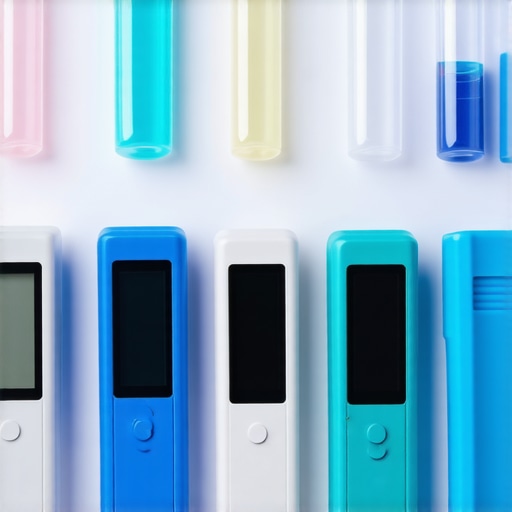
I vividly remember the moment when I realized I had been relying on outdated methods to assess the acidity levels in my lab samples. It was a frantic morning, rushed and cluttered, and I found myself fumbling with cumbersome equipment that kept giving inconsistent readings. That lightbulb moment hit me—why was I still using classic glass pH electrodes that were fragile, time-consuming, and required constant maintenance? In the fast-evolving world of medical diagnostics, clinging to old tools can slow down progress and jeopardize accuracy.
Addressing the Gap in Medical Diagnostics with Portable Precision
As technology accelerates, so does our ability to perform precise, quick, and reliable tests at the very point of care. Enter the era of handheld pH meters—compact devices designed to deliver laboratory-quality accuracy without the fuss. For healthcare providers, researchers, and lab technicians, these instruments mean freedom from traditional lab setups, faster diagnosis, and improved patient outcomes. Trust me, once you experience the convenience and reliability of these modern tools, there’s no turning back. It’s time to stop guessing and start knowing instantly, whether you’re confirming a sample’s pH or monitoring treatment effectiveness.
Skeptical About Their Value? Think Again
Early in my career, I dismissed the idea of handheld devices, thinking they were gimmicks or too fragile for daily use. That was a mistake. I overlooked how these gadgets could streamline workflows and reduce sample contamination risks. Remember, not all devices are created equal—do your research, and you’ll find options designed with durability, precision, and user-friendliness in mind. In fact, by choosing the right handheld pH meter, many professionals have significantly improved their testing accuracy and efficiency, enabling faster decision-making in critical moments. Curious to see how these devices could revolutionize your work? Dive into the latest reviews and product comparisons, like the ones found at Medical Device Insight, to find your perfect match.
Calibrate Your Device Properly Before Use
On a busy Tuesday morning, I grabbed my handheld pH meter straight from its box, eager to get quick readings. I neglected calibration, assuming it was pre-set. As I tested a sample, inconsistent results appeared, leading to confusion. To avoid this chaos, always calibrate your meter with standard buffers—usually at pH 4 and pH 7—before testing samples. This step ensures accuracy and repeatability, much like setting a clock before starting work. Use fresh calibration solutions and follow the manufacturer’s instructions carefully. This process acts as the foundation, similar to zeroing a scale before weighing samples, ensuring every measurement is trustworthy.
Prepare Your Sample with Precision
During my initial testing, I rushed to analyze a sample without proper preparation. The result? A skewed pH reading due to contamination or air bubbles. To prevent this, always ensure sample cleanliness—filter or centrifuge if necessary—and use clean, calibrated electrodes. When measuring liquids, gently stir the sample to eliminate bubbles that can interfere with readings, akin to leveling a surface for accurate measurement. Proper preparation minimizes errors, transforming uncertain results into reliable data, much like sharpening a tool before a precise cut.
Immerse and Read Carefully
One time, I plunged the electrode into a sample without waiting for the display to stabilize. The fluctuating reading puzzled me until I learned that waiting — usually 10-20 seconds — for the meter to equilibrate is crucial for an accurate reading. Submerge the electrode tip fully, ensuring good contact without force, and watch for the stable reading before recording. Think of it as tuning a musical instrument until the pitch is steady. Rushing this step leads to inaccuracies, whereas patience pays off, offering clarity much like waiting for fog to clear at dawn.
Maintain Your Equipment Regularly
My first mistake was neglecting electrode maintenance, which turned a new device into a source of errors. Clean electrodes after each use with recommended cleaning solutions; store them in proper storage solutions, not dry air. Periodic replacement of the electrode’s reference gel or fill solution extends its lifespan. For example, I once used a dirty electrode that returned inconsistent pH levels, delaying a critical diagnosis. Regular maintenance keeps your device functional, akin to changing the oil in a car—preventing breakdowns and ensuring smooth operation. Proper care translates into dependable performance, vital in high-stakes medical environments.
Record and Cross-Verify Results
In a frantic moment, I relied solely on a single measurement, ignoring the importance of verification. Later, cross-checking with a different device or method revealed discrepancies that could have been costly. Always document readings meticulously and, when possible, verify through replicate tests or alternative methods like using digital blood pressure monitors during triage (see example). This practice prevents misinterpretation and confirms consistency, much like cross-referencing data in research. Implementing this step solidifies confidence in your results and supports accurate decision-making.Many assume that medical equipment and devices are straightforward tools with clear-cut purposes, but this oversimplification can lead to critical mistakes. A prevalent myth is that newer technology always outperforms older systems; however, in practice, ruggedness and proven reliability sometimes overshadow the allure of the latest gadgets. For instance, many clinicians prioritize choosing robust, tested anesthesia machines over uncertain new models, emphasizing practical performance over trendiness.
Are All Tech Advancements Beneficial or Are Some Just Gimmicks?
It’s tempting to believe that the newest device—like the latest wireless patient monitor—automatically enhances patient care. But recent studies highlight that without proper integration and staff training, these innovations can cause more confusion than clarity. In fact, poorly implemented technology can lead to delays or errors, counteracting their intended benefits. According to a 2022 report in the Journal of Medical Devices, over 40% of hospitals faced malfunctions or user errors with new equipment during initial rollout, underscoring the importance of thorough testing and staff familiarization before widespread adoption.
Why Do We Fall for the Allure of the Latest Gadgets?
One reason is marketing hype that emphasizes cutting-edge features without addressing real-world utility. Clinicians often chase shiny new devices like handheld vital sign monitors, believing they’ll revolutionize workflows. Instead, experience shows that the key to effective medical equipment utilization is understanding limitations and ensuring compatibility with existing systems. For example, selecting a handheld glucose monitor that lacks seamless data integration can create more work and potential errors, a trap many overlook initially. To avoid such pitfalls, it’s wise to scrutinize product specifications and seek peer reviews before investing. For insights into emerging portable devices, see reviews of [wireless pulse oximeters](https://medicaldeviceinsight.com/5-wireless-pulse-oximeters-for-2026-home-oxygen-triage).
Common Mistakes Medical Facilities Make This Year
One recurring error is underestimating the importance of regular maintenance and calibration. Many assume that a new device is ‘set and forget,’ but neglecting routine checks can compromise accuracy—especially in critical care like ventilators or infusion pumps. Additionally, some facilities install high-tech equipment without adequate staff training, leading to misuse and underperformance. Avoiding this mistake is essential; regular staff training and maintenance schedules should become part of standard protocols. Interested in the latest high-reliability devices? Explore options like [advanced surgical hemostats](https://medicaldeviceinsight.com/8-surgical-hemostats-with-2026-precision-grip).
Prioritize Regular Calibration and Cleaning
Consistent maintenance starts with meticulous calibration and cleaning routines. For digital blood pressure monitors, like those highlighted in this review, calibrate at the start of each shift using certified standards. Use manufacturer-approved cleaning solutions to prevent electrode contamination, which can skew readings. Regular calibration ensures the accuracy of vital measurements, and proper cleaning prolongs device lifespan, making your investments more cost-effective over time.
Implement Smart Storage Solutions
Long-term performance heavily depends on proper storage. For example, handheld glucose meters like the ones discussed at this page require that electrodes be stored in specific, moisture-controlled environments to prevent degradation. Establish dedicated storage containers with desiccants and keep devices away from extreme temperatures. Implementing a systematic storage protocol simplifies maintenance routines and ensures your devices remain reliable after months or years of use. In my experience, consistent storage practices reduce calibration drift and breakdowns significantly.
Leverage Digital Monitoring for Predictive Maintenance
Emerging technology now enables remote monitoring of device health. Integrate sensors with your existing equipment to track operational parameters — battery levels, calibration dates, and usage hours. For instance, mobile vital sign carts like those at this link often feature smart diagnostics that alert staff before failures occur. Adopting such proactive measures minimizes downtime, especially critical in emergency settings. As predictive analytics evolve, expect more devices to include built-in diagnostics—embrace these innovations now to future-proof your equipment management strategies.
How Do I Maintain Medical Equipment Over Time?
The key lies in establishing routine maintenance schedules, training staff on proper handling, and leveraging technology for proactive alerts. Regular calibration, deep cleaning, and appropriate storage are fundamental. Additionally, digital monitoring tools provide early warning signs, helping prevent unexpected failures. This integrated approach reduces repair costs and ensures continuous accuracy during patient care. For suggestions on integrating these practices, consider exploring advanced tools such as wireless pulse oximeters, which facilitate real-time performance tracking and maintenance scheduling. You can start by trying out a wireless pulse oximeter like the ones discussed at this review to see firsthand how technology can streamline equipment reliability. Don’t wait—invest in these practices today to keep your medical tools functioning optimally for years to come.
Lessons from the Field That Changed My Perspective
- I’ve learned that sometimes, the most advanced device is only as good as the technician using it. Proper training and confidence can turn simple tools into lifesaving instruments.
- Overcomplicating equipment maintenance can do more harm than good. A straightforward, consistent routine often yields the most reliable results, reminding me that simplicity is powerful.
- Adapting technology to fit your workflow, rather than forcing workflows to fit new gadgets, can significantly enhance efficiency and safety in medical environments.
- Listening to frontline staff feedback on medical devices uncovers practical insights that often go unnoticed during product development, emphasizing the value of collaborative improvement.
Essential Resources That Elevate My Practice
- Medical Device Insight consistently provides in-depth reviews and updates on the latest equipment, helping me stay ahead in choosing reliable tools like the wireless pulse oximeters suited for high-volume settings.
- Product Manuals and Manufacturer Guidelines are invaluable for correct calibration, cleaning, and troubleshooting. I trust these as primary sources tailored for each device, ensuring proper handling.
- Peer-reviewed Journals and Case Studies have shown me real-world applications and pitfalls, offering insights that aren’t always obvious in marketing materials.
- Hands-on Training Workshops by reputable institutions boost confidence and competence, especially with complex or new technology, making them worth every penny.
Your Turn to Innovate with Confidence
Embracing modern medical equipment isn’t just about keeping up; it’s about delivering better care with smarter tools. By integrating reliable devices, maintaining them diligently, and listening to expert advice, you set the stage for healthier outcomes. Now is the moment to challenge old habits and invest in the tools that truly make a difference. Remember, continuous learning and adaptation are the keys to mastery in medical environments.