
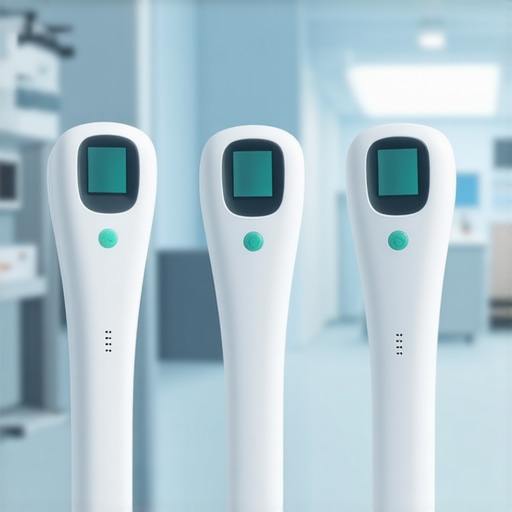
It was one of those days. I was in a rush, clipboard and stethoscope in hand, trying to make sense of a chaotic triage scene. Amidst the frantic activity, I glanced at a patient—her skin seemingly normal, but I sensed something was off. I reached for my outdated device and realized, in that moment, how much outdated tools could delay crucial diagnoses. That lightbulb moment hit hard: what if there was a faster, more accurate way to assess skin conditions on the spot?
Why Every Medical Professional Should Care About Handheld Skin Scanners
The truth is, in high-pressure situations like emergency response or clinics overwhelmed with patients, every second counts. Traditional methods often rely on visual inspection and subjective judgment, which can lead to missed early signs of skin-related issues. As technology advances, handheld skin scanners are emerging as game-changers, promising rapid, non-invasive insights that can decisively influence patient outcomes.
Imagine swiftly identifying skin infections or abnormalities in the field without the need for laboratory testing. This isn’t just futuristic talk—it’s becoming a reality with the latest devices predicted to be standard in 2026. According to recent industry forecasts, these tools will significantly enhance triage efficiency, especially in high-volume settings or remote areas lacking full diagnostic labs.
The stakes are high. Missed or delayed diagnoses in skin conditions can lead to severe complications, especially in vulnerable populations like pediatrics or elderly care. Early detection not only improves treatment success but also significantly reduces costs and patient anxiety.
However, integrating new tech always comes with hesitations. One common mistake I made early on was assuming that the newest gadget is automatically the best fit. I jumped into buying a device based solely on specs, only to discover later that it lacked essential features for my specific setting. It taught me to prioritize practical needs over flashy features.
If you’ve faced similar dilemmas or wondered whether these handheld scanners are worth the investment, you’re not alone. Stay with me as I guide you through understanding these devices better, so you can make informed decisions that truly benefit your practice.
Prepare Your Equipment and Environment
Begin by selecting a reliable handheld skin scanner that suits your clinical needs, such as those highlighted in this guide on skin scanners. Ensure your device is fully charged or connected to power, and calibrate it according to the manufacturer’s instructions. Set up a clean, organized workspace free from distractions, similar to preparing a surgical station, to facilitate focus and accuracy.
Learn the Device’s Functionalities
Take the time to familiarize yourself with the scanner’s interface, buttons, and indicators. Practice navigating through different modes, such as magnification or color analysis, just as a chef masters different knife techniques before cooking. Hands-on practice, even in a simulated environment, builds confidence and reduces errors during actual patient assessments.
Perform a Baseline Scan
Start with a baseline scan on a healthy, unaffected area of your own or a model patient’s skin. This establishes a reference point for future comparisons and helps you understand the device’s readings. Think of it as calibrating a measuring tape before taking measurements—precision starts with a known reference.
Identify and Document Skin Abnormalities
When examining a patient, prepare the skin area by gently cleaning it to remove oils and debris that might interfere with the scan. Position the device perpendicularly and maintain steady hand movements, akin to using a camera to capture a clear photo. Capture multiple images if needed, focusing on suspicious spots to gather comprehensive data. Save and label images accurately, which aids in tracking changes over time and provides valuable information for consultations.
Interpret Results with Caution
Use the device’s visual outputs as supplementary data rather than sole diagnostics. Cross-reference findings with clinical observations, much like a detective combining clues. Recognize false positives or negatives and consider environmental factors such as lighting, skin pigmentation, or recent treatments that can influence readings.
Integrate Data into Patient Records
Ensure that all captured images and readings are uploaded securely to electronic health records. Organize files systematically, similar to maintaining a well-structured laboratory notebook. Proper documentation supports continuity of care and allows for trend analysis, enhancing diagnostic accuracy over time.
Maintain and Calibrate Regularly
Schedule routine maintenance and calibration as recommended. Keep the device clean using manufacturer-approved techniques—imagine giving your tools a thorough cleaning after each use to preserve accuracy and longevity. Regular checks prevent drift in measurements and ensure consistent performance during critical assessments.
Many healthcare professionals and enthusiasts often assume that selecting the latest or most popular medical device guarantees improved patient outcomes. However, this mindset overlooks crucial nuances that can make or break the effectiveness of medical equipment. For instance, a device’s compatibility with your specific clinical setting, user familiarity, and maintenance requirements are often undervalued factors that influence long-term success. An expert approach involves understanding that not all high-tech gadgets are suitable for every scenario; sometimes, simpler, well-understood tools outperform complex new innovations.
One common myth is that newer models are inherently superior. While technological advancements bring features like enhanced sensitivity or faster processing, these improvements might be irrelevant in certain contexts. For example, a handheld dental scanner, optimized for high-precision cosmetic procedures, may not provide added value in a triage environment where speed and ease of use are paramount. Relying solely on specs can lead to misguided investments, neglecting the practical needs of daily clinical workflows.
Are You Overlooking Calibration and Maintenance?< /h3>
One of the biggest pitfalls is underestimating the importance of proper calibration and routine maintenance. An inaccurately calibrated device can produce misleading data, leading to misdiagnoses or unnecessary tests. For example, wireless pulse oximeters that haven’t been regularly checked may give inconsistent readings, especially in patients with poor perfusion. Regular calibration ensures measurement accuracy, just as a precision instrument requires periodic tuning. Neglecting this can turn a reliable device into a source of error, potentially endangering patient safety.
Moreover, many overlook that device maintenance isn’t just about cleaning dust or replacing batteries—it’s about understanding the manufacturer’s calibration protocols and adhering to them meticulously. Skipping these steps might void warranties or compromise device performance over time. Investing in training for proper maintenance can save costly repairs or replacements later, ensuring your equipment remains a trusted asset rather than a liability.
What Advanced Users Need to Know About Data Integration
For the seasoned clinician aiming for seamless workflows, integrating device data into electronic health records (EHR) is critical. Yet, many assume compatibility without checking technical specifications or software updates. Incompatibilities can result in data loss or require cumbersome workarounds, which diminish efficiency. As an example, wireless vital signs carts equipped with new communication protocols might not sync properly with existing EHR systems if not configured correctly, leading to fragmented patient records. Staying ahead entails understanding communication standards like HL7 or FHIR to enable reliable, secure data exchange.
In conclusion, the real mastery lies in appreciating these subtle yet impactful nuances—calibration routines, maintenance protocols, scenario-specific device selection, and data integration strategies—not just the technical specs. By digging deeper into these details, you avoid costly mistakes and elevate your practice’s reliability. Have you ever fallen into this trap? Let me know in the comments.
Tools I Trust for Reliable Medical Equipment Maintenance
Maintaining medical devices isn’t just about routine cleaning; it involves selecting the right tools that ensure longevity, accuracy, and safety. Personally, I rely heavily on calibration kits tailored for each device. For example, when working with wireless pulse oximeters, I use manufacturer-approved calibration standards, which you can find detailed in the technical manuals like the one at this resource. Regularly using high-precision calibration tools prevents drift and keeps readings trustworthy.
I’ve also invested in ultrasonic cleaning devices for delicate instruments such as surgical scalpels and reusable optical components. These cleaners gently remove debris without damaging sensitive surfaces, significantly reducing downtime due to equipment repair. For disinfecting and maintaining non-invasive devices, I utilize antimicrobial wipes like those discussed at this article, which are effective and compatible with various surfaces.
Routine Checks That Make a Difference
Implementing a scheduled maintenance routine is crucial. I schedule weekly checks for battery health, connection integrity, and calibration status. For instance, with digital thermometers used in ICU settings, regular firmware updates combined with calibration ensures consistent accuracy, as highlighted in a recent industry study. Setting reminders and maintaining detailed logs helps catch potential issues early, preventing costly repairs or unexpected failures.
This proactive approach extends the lifespan of devices like handheld dermatoscopes or portable ultrasound units. As an example, I keep a detailed maintenance journal for my handheld skin scanners, noting calibration dates and cleaning procedures. Such diligent records simplify troubleshooting and ensure compliance with health standards.
Preparing for Future Growth and Scalability
As your practice or facility expands, your maintenance and tools strategy must adapt. Investing in modular calibration standards and versatile cleaning stations allows for scalable compliance. I foresee a future where automation plays a bigger role — like automated calibration stations that sync with device software, reducing manual effort and human error. Industry forecasts, such as those predicting increased adoption of smart-enabled maintenance tools, suggest this evolution will be commonplace by 2030.
To stay ahead, it’s wise to follow updates from device manufacturers and industry experts. Regularly reviewing technology guides ensures you’re equipped with the latest methods. For example, integrating this guide to handheld dental scanners can inspire you to adopt maintenance techniques that keep these devices ready for any situation.
How do I maintain these tools over time to prevent unexpected failures?
Consistency is key. Establish a clear protocol for calibration, cleaning, and storage. For calibration, follow manufacturer instructions meticulously—some standards, such as those outlined by ISO 13485, emphasize traceability and documented procedures, ensuring ongoing reliability. For cleaning, use only approved disinfectants and tools to prevent damage. Scheduling regular reviews and keeping thorough records in a dedicated log book or digital system, like maintenance management software, ensures no step is overlooked. By implementing these practices, you’ll extend the operational life of your equipment and sustain high-quality patient care—try setting up a monthly calibration review using one of the calibration kits mentioned earlier to see the difference firsthand.
What I Learned the Hard Way About Equipment Longevity and Reliability
One of the toughest lessons I encountered was realizing that even the most advanced device is only as good as its maintenance routine. I once overlooked routine calibration, assuming a newer model would self-correct; the result was inconsistent readings that could have compromised patient care. This experience taught me the value of diligent upkeep and the importance of following manufacturer guidelines meticulously. Never underestimate the power of regular checks—your equipment’s accuracy directly impacts patient safety.
Why Small Details Make a Big Difference in Medical Tool Selection
It might seem trivial, but choosing the right handheld scanner or monitor requires more than peek-and-choose. I once selected a device based solely on features advertised without assessing compatibility with my workflow or environmental conditions. This oversight led to frustration and inefficiencies. It’s crucial to match device capabilities with your specific needs—consider environmental factors, user-friendliness, and integration with existing systems. Making informed choices today prevents headaches tomorrow.
How Data Management Can Elevate Your Practice
Integrating device data seamlessly into electronic health records isn’t just a tech upgrade; it’s a workflow revolution. I’ve seen how proper data management streamlines documentation, reduces errors, and enhances patient trust. However, many still assume all systems are compatible—big mistake. It’s essential to understand data standards like HL7 or FHIR and to verify device compatibility before procurement. Embracing robust data strategies transforms raw measurements into actionable insights, improving diagnostic accuracy.
Curated Recommendations for Smarter Equipment Strategies
Over the years, I’ve relied on calibration kits tailored for specific devices, ensuring measurement integrity—see this resource on blood pressure monitors. Ultrasonic cleaners have kept my optical tools spotless without risk of damage, and antimicrobial wipes have become indispensable for hygiene. For managing maintenance schedules efficiently, I recommend digital logbooks or specialized software, which help track calibration dates, service histories, and warranty statuses. These tools turn routine upkeep into proactive safeguards, extending device lifespan and maintaining accuracy.
Keep Moving Forward with Confidence in Medical Equipment
The journey of mastering medical tools is ongoing. Whether you’re upgrading your older devices or exploring the latest innovations, remember that consistent attention to calibration, maintenance, and data integration is key. By implementing strategic routines and staying curious about technological advances—like the upcoming latest handheld dental scanners—you position your practice at the forefront of quality care. Equip yourself with knowledge and tools, and you’ll transform challenges into opportunities for excellence.