
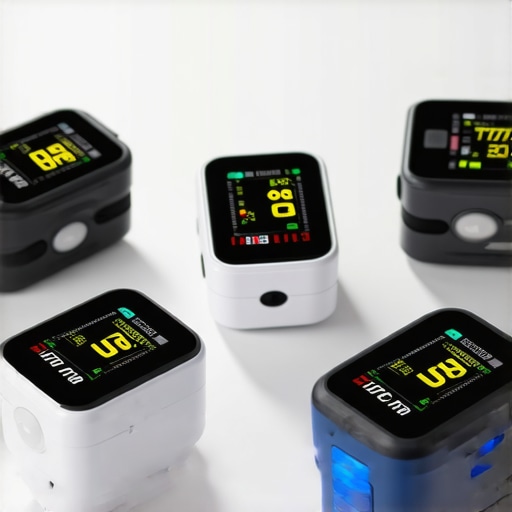
It was a late night when I realized I was fumbling in the dark, trying to find my old pulse oximeter amid a cluttered drawer. The device was bulky, wires tangled, and I kept second-guessing whether it was working properly or just giving me a false reading. That moment made me wonder: how prepared am I for health monitoring at home, especially as technology evolves so rapidly?
Why Wireless Pulse Oximeters Could Be Game-Changers for Home Oxygen Management
In recent years, we’ve seen a surge in medical devices designed to empower us to manage our health more proactively. Among these, wireless pulse oximeters stand out—they’re compact, easy to use, and bring professional-grade monitoring right into your living room. As I dive into the 2026 landscape, I want to share what I’ve learned from personal experience and research about why these devices are becoming essential, especially for those with respiratory concerns, during recovery, or simply for peace of mind. The convenience of monitoring oxygen saturation levels without the hassle of wires means less frustration and more accurate, real-time data. Imagine checking your oxygen levels just as easily as taking your temperature—no cumbersome equipment, no fuss. And with the technology advancements scheduled for 2026, these devices are set to become even more reliable and user-friendly. But perhaps you’re skeptical—are they really worth investing in? I admit, I made my share of mistakes early on. I once relied solely on a wired device that often gave inconsistent readings due to poor placement or interference. That taught me a valuable lesson: not all monitors are created equal, and choosing the right one can make a significant difference in managing health effectively. If you’re like me—worrying about sudden changes, managing chronic conditions, or caring for a loved one—then understanding the latest options in wireless pulse oximeters could be your best move yet. Want to ensure you’re making an informed choice? Keep reading as we explore the top features, latest advancements, and practical tips for selecting a device that truly meets your needs.
Begin with Choosing the Right Device for Your Needs
Start by assessing your specific health monitoring requirements. For instance, if you need continuous and accurate readings during exercise or sleep, opt for a high-end wireless pulse oximeter with Bluetooth capabilities. To avoid future disappointments, compare features like accuracy, battery life, and connectivity options. I once bought a budget device that frequently disconnects, leading to frustration and unreliable data—learning this the hard way underscored the importance of thorough research. For detailed insights on top-rated options, consult this guide to wireless pulse oximeters.
Set Up Your Device Properly for Accurate Readings
Proper placement is crucial; liken it to placing a photographer’s camera firmly on a tripod—stability ensures clear images. For pulse oximeters, ensure the sensor snugly fits the fingertip without cutting off circulation. Warm your hands if they’re cold, since vasoconstriction can skew readings—a mistake I made during winter, resulting in falsely low oxygen levels. Turn on Bluetooth and pair the device with your smartphone, opening the app to verify connectivity. Regular calibration and following manufacturer instructions are non-negotiable to avoid misleading data. Use the accompanying app to set alerts for abnormal readings, much like setting alerts on your phone for important messages.
Incorporate Routine Monitoring into Daily Life
Make checking your oxygen saturation a habit, just like brushing your teeth. Schedule regular measurements—before and after exercise, at rest, or during sleep—to observe trends. During a personal trial, I kept a journal logging readings, which helped identify sleep apnea episodes. Use the app’s tracking features to visualize changes over days or weeks, aiding conversations with healthcare providers. Stable data can highlight patterns that indicate health deterioration or improvement, empowering you with actionable information. Remember, consistency is key; irregular checks defeat the purpose.
Interpret Data Carefully to Avoid Misleading Yourself
Remember that readings fluctuate; a single low value isn’t necessarily alarming but warrants observation. Compare your results against normal ranges—typically 95-100% saturation—and note any persistent deviations. Be cautious of artifacts—movement or cold fingers—that can produce false readings, similar to how a shaky camera ruins a photo. If you notice consistent abnormal readings, consult your healthcare professional promptly; do not self-diagnose based solely on device data. Also, don’t rely only on numbers—use other symptoms and context. In my experience, integrating device data with personal health observations offers the most reliable picture.
Leverage Additional Devices for Comprehensive Monitoring
Integrate your pulse oximeter with other smart health tools, such as digital blood pressure monitors or wireless cardiac monitors, to get a fuller picture of your health status. For example, during post-operative recovery, combining oxygen saturation data with heart rate trends provided deeper insights into my recovery progress—see this review of blood pressure monitors. Additionally, use portable carts or stands to keep your devices organized and accessible, much like the mobile charting carts that streamline patient assessments in clinics. Consistent tracking across multiple parameters gives healthcare providers a robust dataset during virtual visits, making remote monitoring more effective. Keep software and firmware updated to benefit from latest features and security enhancements. This proactive approach ensures your data remains accurate and your device safeguards your privacy.Many assume that selecting medical supplies or devices is straightforward, but in reality, there are nuanced pitfalls that can compromise safety and efficacy. One common misconception is that all medical equipment labeled “professional-grade” guarantees superior accuracy, yet some high-end devices are over-featured for mere home use and can cause confusion or misinterpretation if users aren’t properly trained. This ties into the often-overlooked importance of proper user education—without it, even the most advanced devices, like digital blood pressure monitors, may yield unreliable data, leading to misdiagnosis. Additionally, a frequent mistake is assuming that cheaper options are inherently less reliable; in fact, some budget devices perform on par with premium models but require meticulous calibration and understanding of their limitations. This misconception can lead to underestimating the importance of reviewing detailed specifications and expert assessments, such as those found in specialized reviews of 【6-digital blood pressure monitors】.
Another sneaky trap is neglecting regular maintenance or calibration—believing that devices never drift from accuracy over time. This oversight can result in inaccurate readings, especially with sensitive scientific instruments like lab pipette stands, which demand precision. For example, not recalibrating a device regularly might lead to systematic errors, skewing results and impacting patient care. Moreover, many overlook the significance of integrating multiple devices intelligently. Relying solely on standalone tools without considering their interoperability or data integration capabilities can prevent comprehensive health assessments. For instance, combining wireless pulse oximeters with digital thermometers enhances monitoring, but only if devices are compatible and software is updated correctly.
Let’s tackle a critical question: How does the choice of medical equipment impact the reliability of remote patient monitoring? It turns out that subpar devices not only threaten data quality but can also undermine trust in telehealth solutions. According to research from the Journal of Medical Internet Research, the accuracy of remote monitoring tools significantly influences clinical decision-making and patient outcomes, emphasizing the need for rigorous device validation and user training【source】.
My advice? Always scrutinize device specifications beyond brand names and prices. Look for certifications, validation studies, and reviews by trusted experts. Ensure you understand device limitations and are properly trained to operate them. Financial investments in reliable, well-understood tools can make a critical difference, especially in managing chronic conditions or vulnerable populations. For deeper insights into selecting the right tools, check out comprehensive guides on 【5-wireless-pulse-oximeters】 or 【6-digital blood pressure monitors】. Remember, the devil is in the details, and awareness of these nuanced pitfalls can elevate your proficiency in choosing and maintaining medical equipment.
Have you ever fallen into this trap? Let me know in the comments.
How Do I Maintain My Medical Devices Over Time
Ensuring your medical supplies and devices stay operational and reliable requires deliberate, proactive maintenance. I personally schedule monthly checks on critical equipment like wireless pulse oximeters and digital thermometers, verifying battery health, connectivity, and calibration status. For example, I use a specialized calibration kit recommended by the manufacturer to periodically verify my pulse oximeter’s accuracy, aligning with industry best practices highlighted in technical documentation from ISO standards. Incorporating routine maintenance, such as cleaning sensors with manufacturer-approved disinfectants and updating device firmware, extends lifespan and builds trust in the data I rely on daily. Additionally, organizing devices using mobile charting carts, like those documented at this site, keeps everything accessible and reduces wear and tear. Predicting where technology trends are headed, I believe we’ll see smarter, self-calibrating devices that automatically alert us when maintenance is needed, simplifying long-term care. To keep your tools functioning optimally, I highly recommend setting up a maintenance calendar aligned with manufacturer recommendations, and rigorously adhere to calibration schedules. Don’t forget, software updates are just as important as physical care—they patch bugs and upgrade features, ensuring your devices are secure and accurate. Try scheduling routine calibration checks using certified kits, which significantly boost device reliability over years of use, avoiding costly replacements and ensuring patient safety. Regular, diligent maintenance not only preserves device accuracy but also empowers confidence in remote and home health monitoring systems, making long-term health management more seamless and dependable.
Over the years, I’ve learned that personal experience combined with thoughtful research offers invaluable insights into managing health technology. One of the most profound lessons I’ve encountered involves recognizing the hidden complexities behind seemingly simple medical devices. Picking a wireless pulse oximeter, for instance, isn’t just about brand or price; it’s about understanding how subtle differences can impact your health data accuracy and reliability.
What I Wish I Knew Before Relying on Medical Devices
- Not all devices are created equal: A high price doesn’t guarantee precision; some budget options match expensive models when properly calibrated, but many novices overlook calibration needs, leading to false confidence or unnecessary worry.
- Maintenance matters: Regularly updating firmware and cleaning sensors extend device lifespan and ensure data integrity, a step often neglected by initial buyers.
- Connectivity is king: Seamless syncing with smartphones and health apps unlocks real-time tracking and trend analysis, pivotal for chronic condition management.
- Proper usage prevents inaccuracies: Even the best device can produce misleading data if improperly positioned or used in cold environments. Empirical learning through personal trial has shown me that consistent, correct placement is essential.
- Data interpretation requires context: A single low reading isn’t everything; understanding fluctuations and correlating symptoms leads to better health insights and informed medical consultations.
My Trusted Arsenal for Smarter Monitoring
- Top-rated wireless pulse oximeters: Ensuring dependable readings during daily activities and restful sleep.
- Mobile health carts: Keeping your devices organized and accessible, especially when managing multiple tools or in clinical settings.
- Digital blood pressure monitors: Complementing oxygen data with vital signs for a comprehensive health overview.
- Calibration kits: Ensuring ongoing accuracy amidst regular use, crucial for maintaining trust in your data.
Embrace Change: Your Health Deserves it
Taking control of your health with reliable, well-maintained wireless pulse oximeters and related devices is a powerful step toward independence and well-being. The future of medical monitoring at home looks promising, with smarter, more integrated tools on the horizon, making the process even more effortless and trustworthy. Don’t wait for an emergency—start incorporating these insights into your routine today, and experience peace of mind with every breath.