
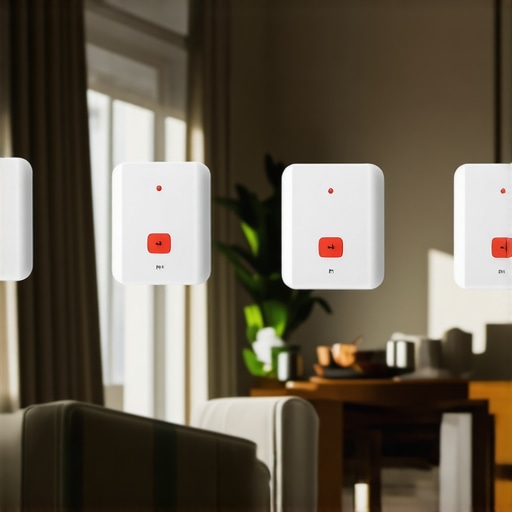
It was late on a quiet evening when I first realized how vulnerable my loved ones might be. My elderly parent had just tripped in the living room, and for a moment, I froze—wondering if I’d hear a signal, catch the fall in time, or if this was just luck that I happened to be nearby. That sinking feeling of helplessness is something many of us know all too well. But what if there was a way to turn the tide?
Why Wireless Fall Alarms Are Becoming a Home Care Essential
As someone who’s navigated the challenges of ensuring loved ones stay safe, I’ve come to appreciate how technology can bridge critical gaps. With age, falls become a real risk—leading to injuries, hospitalizations, and a decline in independence. In fact, the Centers for Disease Control and Prevention (CDC) reports that one out of four older adults falls each year, often with serious consequences. Yet, many falls go unnoticed or unaddressed until it’s too late.
Imagine being able to get an immediate alert the second someone trips or falls—no matter where you are in the house. That’s what modern wireless fall alarms are designed to do. They act like a vigilant neighbor, always watching over, ready to sound the alarm without cumbersome cords or complicated setups.
My own early mistake? I underestimated the importance of reliable connectivity. I bought a system that kept cutting out, leaving us vulnerable during critical moments. Trust me, investing in a dependable setup can make all the difference, especially when seconds count.
So, today, I’ll guide you through how these innovative devices work, what to look for to ensure they truly serve your needs, and why ignoring this technology could cost you more than peace of mind. Ready to turn your home into a safer space? Let’s dive into the heart of the solution.
Select the Right System for Your Home
Begin by assessing your loved one’s mobility and environment. Consider wireless fall alarms that use reliable wireless connections to eliminate trip hazards from cords. I once purchased a model with inconsistent connectivity, which delayed alerts during a fall. To avoid this, prioritize devices with proven stable signals and a good range.
Install Sensors in Critical Locations
Identify high-risk spots like bedrooms, bathrooms, and common pathways. Mount motion sensors or wearable pendants that activate upon detecting sudden movement or impact. I remember attaching a sensor to my grandfather’s wrist during a trial—they were simple to set up and provided peace of mind. Use digital blood pressure monitors setups as a reference for sensor positioning—secure placement ensures consistent operation.
Ensure Reliable Power and Connectivity
Power sources must be dependable. Opt for models with long-lasting batteries or constant power options. Test connectivity regularly; move your device around the house to identify dead zones. A failed test once left us unaware during a critical moment until I reconfigured the Wi-Fi extender. Incorporate repeaters if necessary. I also connected the system to a home Wi-Fi network, but had to update its firmware after a malfunction, highlighting the importance of maintenance.
Set Up Immediate Alert Methods
Configure alerts to reach your phone via dedicated apps or call systems. For instance, I synchronized the alarm with my smartphone through an app, so I was notified instantly if a fall occurred. During setup, I tested notification delays—any lag less than a few seconds is acceptable. Make sure the alert method is accessible and reliable enough to prompt fast action.
Train Caregivers and Family Members
Everyone involved should understand how the system works and what to do when alerted. I held a quick walkthrough, emphasizing testing the devices and recognizing warning signs. Practice drills helped everyone respond swiftly, minimizing injury risk. Remember, the effectiveness of technology depends heavily on user familiarity and promptness in action.
Perform Regular Maintenance and Checks
Regularly replace batteries and update firmware. I scheduled monthly checks to inspect sensor placement and system functionality, avoiding the pitfalls of neglecting equipment. A simple procedure like testing each sensor with a quick fall simulation keeps the network responsive. Consistency in maintenance ensures your system remains an unseen yet vigilant family member.
While it’s common to assume that all medical supplies and devices are straightforward or universally effective, the reality is much more nuanced. In my experience working alongside healthcare professionals and caregivers, I’ve seen how misconceptions can lead to costly mistakes that compromise patient safety and device longevity.
Are DIY Approaches Jeopardizing Medical Device Effectiveness?
One prevalent myth is that personal calibration or improvised modifications won’t impact device accuracy. However, altering settings or using incompatible accessories can distort readings or impair function. For instance, substituting standard components with non-approved parts on devices like digital blood pressure monitors can invalidate their precision, leading to misdiagnoses or inappropriate treatments. Always adhere to manufacturer specifications and consult professionals before making adjustments.
Another often-overlooked nuance is the importance of proper storage and maintenance. Many assume that storage conditions don’t matter once a device is out of use. Yet, exposure to humidity, extreme temperatures, or sunlight can degrade sensitive components, reducing lifespan and causing erratic performance. Regular checks and adherence to storage guidelines are essential practices I recommend to extend equipment utility.
What Advanced Features Truly Matter for Home Care?
Beyond basic functions, many users overlook advanced features that significantly enhance usability and reliability. For example, wireless connectivity isn’t just about convenience; it ensures seamless data transmission and reduces errors associated with manual recording. However, not all wireless systems are created equal. Some models in the market suffer from interference issues or limited range, which can be disastrous during emergencies. Doing thorough research and reading expert reviews—like those available on wireless EEG headsets—can help select truly dependable options.
Furthermore, understanding device interoperability is critical. Integrating blood pressure monitors, pulse oximeters, and other tools into a unified monitoring system can provide comprehensive insights. However, incompatibility may lead to fragmented data, missing warning signs. Prioritize devices and software that support standardized protocols and easy integration for cohesive care management.
One common mistake I’ve observed is neglecting user training. Even the most advanced, reliable equipment fails if caregivers or patients don’t understand its operation. Proper instruction on device features, maintenance, and troubleshooting is a must—invest time upfront to avoid costly errors later.
In summary, mastering the nuances of medical supplies and devices involves more than just purchasing the latest model. It requires attention to calibration, maintenance, advanced features, and user competence. Ignoring these details can turn a lifesaving device into a source of frustration or danger. So, think critically about your equipment and ask yourself: Are you truly leveraging its full potential? Have you ever fallen into this trap? Let me know in the comments.
Tools I Recommend for Ensuring Medical Equipment Keeps Working
Maintaining reliable medical devices is crucial for patient safety and effective care delivery. From digital blood pressure monitors to wireless heart rate sensors, I rely on specific tools and practices to keep equipment functioning optimally. One key resource I use extensively is a high-quality digital blood pressure monitor calibration kit. Regular calibration ensures readings stay accurate, preventing misdiagnoses. I also invest in a professional-grade wireless EEG headset maintenance set, which allows me to clean and troubleshoot connectivity issues efficiently. These tools are essential for diagnosing issues early, saving time and costs in the long run.
Implementing Routine Checks and Software Updates
Scheduling routine maintenance is non-negotiable. I adhere to manufacturer guidelines, which often include firmware updates, battery checks, and sensor calibration. For example, firmware updates for wireless heart rate monitors are vital to patch vulnerabilities and improve data transmission. I set reminders on my digital calendar to review equipment monthly. This habit ensures that devices perform accurately and reduces unexpected breakdowns. Additionally, keeping software updated often involves security patches—something highlighted by industry experts like medical device cybersecurity professionals.
Predicting Where Maintenance Trends Are Heading
As technology advances, predictive maintenance will become standard—via IoT sensors that monitor device health in real-time. For instance, smart devices will soon notify us when parts are nearing failure, reducing downtime. This evolution is supported by ongoing developments in AI-driven diagnostics, which can analyze device performance data and suggest preemptive repairs. Embracing these innovations now positions caregivers and facilities to stay ahead of potential issues.
How Do I Maintain Medical Equipment Over Time?
To keep your medical devices functioning seamlessly, it’s essential to establish a disciplined maintenance routine. Regular calibration using specialized tools, timely firmware updates, and attentive inspection of batteries and connections are foundational. For example, I perform a comprehensive equipment check every month, including testing device responsiveness and reviewing performance logs. This proactive approach not only prolongs device lifespan but also ensures accuracy and reliability. Incorporating maintenance checklists and training staff on troubleshooting can further streamline this process. Want to boost your equipment’s longevity? Try implementing a digital maintenance log tailored to your devices, making routine checks easier and more systematic.
Three Surprising Truths I Discovered About Medical Supplies That Changed My Approach
One eye-opening lesson was how even seasoned caregivers can overlook the importance of regular firmware updates—thinking it’s a technical chore, when in reality, it safeguards your loved ones’ health. I also realized that DIY calibration may seem cost-effective, but it can introduce inaccuracies—trusting professionals and manufacturer guidelines is vital. Finally, I underestimated the power of comprehensive user training; a device is only as good as the person operating it, making education the secret ingredient to safety.
My Tried-and-True Arsenal for Reliable Medical Equipment
Over the years, I’ve come to rely on a handful of tools that keep my medical devices at peak performance. The digital blood pressure monitor calibration kit is invaluable for ensuring accuracy. For connectivity issues, a wireless EEG headset maintenance set helps me troubleshoot and maintain signal stability. Maintaining a detailed maintenance log and keeping firmware current are essentials in my routine, helping to prevent unexpected failures and ensuring my loved ones receive reliable care.
Believe It or Not, Small Details Make the Difference in Medical Device Longevity
One overlooked factor is proper storage—exposing devices to humidity or sunlight can diminish performance over time. Regularly inspecting batteries, cleaning sensors, and updating software aren’t just chores—they’re investments in safety. Advanced features like seamless interoperability and automated alerts have transformed my home care approach, but I learned that without proper training, even the most sophisticated equipment can be underutilized. Staying attentive to these nuances has significantly improved the longevity and reliability of my medical devices.
Seizing Control, One Step at a Time
Understanding and maintaining medical supplies and devices is an ongoing journey. My experience has taught me that proactive care, continuous learning, and investing in quality tools empower families to create safer environments. Technology evolves rapidly, and embracing these advancements can make a profound difference in quality of life. I encourage you to take one small step today—whether it’s updating firmware or practicing device calibration—to turn knowledge into meaningful action for your loved ones’ safety.