
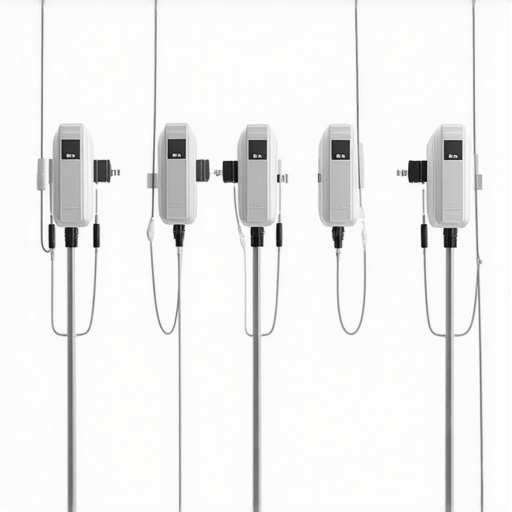
One hectic afternoon, I found myself scrambling to connect multiple IV infusions at a busy clinic, tangled cables everywhere, risking patient safety, and feeling overwhelmed. That lightbulb moment hit me hard: traditional IV stands just aren’t cut out for fast-paced, mobile environments. The clutter, the tripping hazards, the constant replugging—it’s enough to make anyone frustrated and worried about efficient patient care.
The Hidden Hassle of Standard IV Poles
For years, I relied on basic IV stands, believing they did the job. But as patient loads increased and the need for more tech integration grew, I noticed a significant drop in work efficiency. Cables draped across walking paths, power outlets far from the bed, and the hassle of carrying around multiple chargers made my shifts more stressful. Eventually, I realized I wasn’t alone—many healthcare providers face the same constant juggling act, which can compromise safety and care quality.
Are Mobile IV Poles Worth the Investment?
I admit, at first, I was skeptical. Would upgrading to a mobile IV pole with built-in power strips truly make a difference, or was it just another gadget adding to the clutter? Early on, I made the mistake of choosing a model that lacked durability and proper stability, which hampered its usefulness. But once I found a sturdy, well-designed model with integrated power, my workflow transformed. I could easily move multiple IV lines without cables snaking across the room, and I saved precious time often wasted searching for outlets or plugging and unplugging devices.
Supporting this, recent studies suggest that portable units with advanced features not only improve workflow but also enhance patient safety by reducing accidental disconnections. If you’re still unsure, think about how often your current setup causes unnecessary delays or safety concerns. Have you faced similar issues in your practice?
Next, I’ll walk you through the key benefits of these innovative IV poles and how they can streamline your daily routines—may it be in a hospital, clinic, or homecare setting. Trust me, once you experience the convenience, you’ll wonder how you ever managed without them.
Assess Your Space and Needs
Begin by evaluating your clinic or hospital layout. Measure available corridors, patient rooms, and workstations to determine the ideal size and mobility range for your IV poles. Consider the number of IV lines typically administered simultaneously to decide on models with appropriate weight capacity and accessories. This foundational step ensures you’re investing in equipment that truly fits your space and workload.
Select the Right Mobile IV Pole
Choose units with robust construction and stable bases—look for models with five-leg safety bases like those described here. Ensure the pole has durable casters with locking mechanisms to prevent unwanted movement during procedures. Prioritize options with integrated power strips and multiple outlets, which eliminate cords clutter and reduce tripping hazards. Review specifications carefully to match your requirements, emphasizing ease of maneuverability and stability.
Configure the Equipment for Efficiency
Set up your selected IV poles in high-traffic areas first, placing them near power sources but avoiding obstructions. Organize IV infusion sets, connectors, and supplies on the pole’s shelves or hooks, minimizing retrieval time. Use cable management accessories—like Velcro straps or clips—to keep cords tidy, freeing staff from searching for misplaced connections during busy shifts. Practicing this arrangement repeatedly helps your team develop a smooth workflow.
Train Staff on Proper Usage
Conduct quick training sessions focusing on safe handling, movement, and positioning of the mobile IV poles. Emphasize the importance of locking casters before infusing or adjusting lines to prevent accidental tips. Encourage staff to check stability and cord security periodically. During a busy shift I experienced, I quickly assembled and instructed new nurses on these steps, which resulted in fewer disconnections and faster response times during emergencies.
Maintain and Optimize Your Setup
Implement a routine check—weekly or after each session—to inspect casters, power connections, and pole integrity. Replace worn-out components promptly to prevent malfunctions. Continuously solicit feedback from staff and observe workflow patterns to identify bottlenecks or hazards. Small adjustments, like repositioning poles for better accessibility, can significantly improve efficiency and safety. The goal is to keep your mobile IV system adaptable to evolving clinical demands, much like the dynamic use of handheld devices such as glucose monitors or wireless pulse oximeters.
#IMAGE_PLACEHOLDER_B#When it comes to medical equipment, many assume that more advanced or expensive means better accuracy and safety. However, this isn’t always the case. A common misconception is that the latest technology automatically translates to improved patient outcomes, but overlooked nuances can undermine these benefits. For example, some clinicians believe that using ultra-high-end devices guarantees precision, yet the reality is that user training and understanding device limitations are equally critical. In fact, improper calibration or neglecting routine maintenance can lead to significant errors regardless of device sophistication.
Furthermore, there’s a widespread myth that cheaper supplies are inherently inferior. This oversimplification ignores quality standards and rigorous testing many affordable supplies undergo, making them safe and effective if sourced from reputable manufacturers. The key is to recognize that equipment suitability depends on your specific clinical setting, not just on brand prestige or price tags.
One crucial nuance often missed is the importance of context-specific features. For instance, a handheld pulse oximeter designed for home use may lack the durability needed for emergency departments. External factors like environmental conditions, power requirements, and ergonomic design influence a device’s real-world performance. Experts recommend evaluating these aspects thoroughly before making procurement decisions.
Addressing these myths helps avoid costly mistakes and enhances patient safety. Keep in mind that even the most advanced device won’t help if staff aren’t adequately trained or if routine maintenance is neglected. Having solid protocols for device calibration and staff education is vital. For example, regularly consulting reports like those found at this resource can guide you to reliable, suitable equipment choices.
Finally, ask yourself: are your assumptions about equipment backed by evidence, or are they based on marketing hype? Being an informed user entails questioning these beliefs and understanding the nuanced realities of medical devices. Recognize that safe and effective healthcare relies on a balanced approach—merging technological capability with proper training, maintenance, and context.
Have you ever fallen into this trap? Let me know in the comments.
Ensuring that your medical equipment continues to perform reliably over time requires intentional maintenance practices and strategic tooling. As someone deeply involved in healthcare operations, I recommend investing in quality maintenance tools and establishing routine protocols. For example, regularly inspecting mobile IV stands with reflective casters and sturdy bases, like those described here, can prevent unexpected failures and ensure safety. Using diagnostic tools such as handheld pulse oximeters, like the trusted models, allows for quick calibration checks, maintaining measurement accuracy without expensive service contracts. I personally favorite a combination of routine visual inspections paired with these handheld devices because they are cost-effective and ensure consistent performance. Predicting where this trend is heading, I believe we’ll increasingly see smart diagnostic tools integrated into devices, providing real-time status updates and maintenance alerts, thereby minimizing downtime and prolonging equipment life.
How do I maintain medical devices over time
The key to long-term maintenance of medical equipment lies in establishing clear protocols that prioritize regular inspections, calibration, and staff training. Start by scheduling weekly check-ups using portable tools like the handheld dental X-ray units or digital thermometers that facilitate quick performance assessments. Invest in an organized toolkit, perhaps with lab test tube brushes with tapered ends for cleaning narrow apertures or lab pipette pumps for precise calibration, ensuring easy access to maintenance supplies. Consistency in documentation—tracking calibration dates, repairs, and replacements—helps identify patterns and preempt failures. For instance, routine cleaning with lab funnels with ribbed designs can prevent blockages and extend device lifespan. Remember, integrating these practices is not just a matter of hygiene but also of safety and accuracy. Experienced practitioners suggest consulting manufacturer maintenance documentation regularly for specific device requirements. Implementing scheduled maintenance routines will save costs and improve patient outcomes over time. To jumpstart your maintenance process, try setting up a recurring calendar reminder to perform visual checks and calibration tests on your critical devices. Your team’s confidence in equipment reliability depends on these proactive measures, ultimately supporting better patient care and operational efficiency.
Three Lessons I Wish I Discovered Earlier About Medical Equipment
- Trust in quality isn’t just about price—many affordable supplies perform as well as costly ones if sourced correctly, reminding me to evaluate each piece on its merits rather than cost alone.
- Proper staff training on new equipment, like portable IV poles, can drastically reduce errors and safety issues, emphasizing that technology is only as good as its user.
- Routine maintenance and proactive inspections prevent unexpected failures, saving time and ensuring patient safety—I learned this the hard way during a hectic shift.
Tools That Reshaped My Approach to Medical Equipment
My go-to resource for reliable portable power and equipment integrity checks has been handheld pulse oximeters and diagnostic tools. These devices help me verify performance on the spot without expensive downtime. Additionally, mobile IV stands with five-leg safety bases and for versatile logistics, demonstrating that investing in durable, well-designed equipment pays dividends in safety and efficiency. Lastly, consulting comprehensive guides on mobile vital signs carts has enabled me to streamline patient monitoring workflows effectively.
Find Your Edge and Make a Difference
Empowering your team with reliable, well-maintained medical equipment is the cornerstone of exceptional patient care. Embrace continuous learning, experiment with new tools, and don’t hesitate to revisit your setup regularly. Remember, your commitment to excellence today shapes healthier futures tomorrow. How are you ensuring your mobile IV solutions stay ahead of the curve? Share your insights below!