
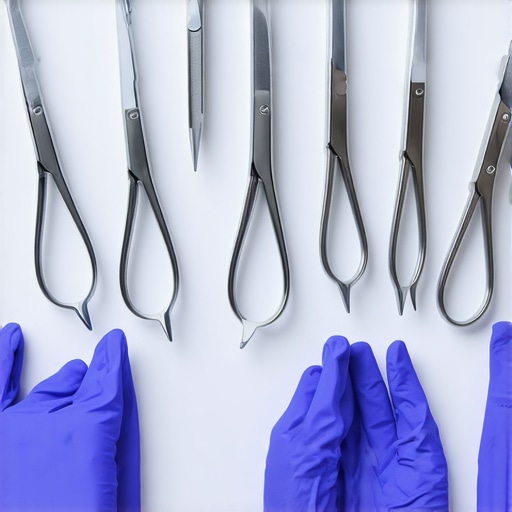
I remember the first time I tackled a delicate tissue sample with a pair of subpar micro-dissection scissors. The blades dulled faster than I could blink, and what should have been a precise, almost artistic maneuver turned into a frustrating struggle. That lightbulb moment—realizing how crucial the right tools are—still lingers. As someone deeply involved in lab equipment, I can tell you that making the wrong choice early on can set you back significantly, both in time and in the precious quality of your results.
Why Getting the Perfect Micro-Dissection Scissors Matters More Than Ever
In 2026, medical research laboratories face a relentless demand for precision, speed, and reliability. Whether you’re working on tissue samples, genetic material, or even delicate surgical procedures, the right micro-dissection scissors are your silent heroes. But here’s the crux: with so many options on the market, how do you identify the best fit for your specific needs? Picking ill-suited scissors can lead to tissue damage, contamination, or even compromised data integrity. Trust me, I’ve learned this the hard way. Early in my career, I bought a set simply because they were cheap, only to find that the blades chewed through samples rather than delicately slicing them—an avoidable mistake. For ongoing updates and insights on lab tools, check out this comprehensive resource on lab equipment evolution.
Could You Be Falling for the Hype Without Realizing It?
One common mistake I made was assuming that all micro-dissection scissors are created equal. Not so. The material, blade design, and ergonomics can drastically influence performance. For example, scissors with tungsten carbide edges tend to stay sharper longer, which might be a crucial advantage (learn more about high-quality surgical tools here). Overconfidence in unfamiliar brands without testing thoroughly can be risky. If you’re asking yourself whether investing in the latest models is really worthwhile, you’re not alone. Many labs hesitate because of the upfront cost, but in the long run, quality tools save time and improve outcomes. I’ve found that balancing cost with durability and precision is key, especially given that cutting-edge research demands the best equipment.
In this post, I’ll guide you through the essential factors to consider when selecting micro-dissection scissors for your lab, helping you avoid the pitfalls I encountered early on. Ready to upgrade your toolkit? Let’s get started.
Evaluate Your Specific Dissection Needs
Start by assessing the tissue types and sample sizes you’ll handle regularly. For delicate animal or human tissues, look for scissors with fine, tapered blades that allow for meticulous cuts. I once tried a generic pair for nervous tissue dissection, only to find that the blades were too bulky, causing unnecessary tissue trauma. This experience highlighted the importance of matching tool design to your sample characteristics.
Prioritize Material and Blade Durability
Choose scissors with blades made from tungsten carbide or surgical-grade stainless steel. Tungsten carbide blades stay sharper longer, reducing the need for frequent replacements. In a lab where I switched to tungsten carbide scissors, I noticed a significant decrease in blade dulling, which translated into more precise dissections over weeks. Reflect on your workload and decide if investing in high-quality materials boosts your efficiency and results.
Assess Ergonomics for Extended Use
Opt for scissors with comfortable, ergonomic handles, especially if you’ll be using them extensively. Handles with a textured grip or cushioned finger rings reduce hand fatigue. I learned this the hard way after a long session dissecting multiple samples; discomfort led to less precise cuts. Check if the scissors are balanced and feel natural in your hand before purchasing.
Check for Blade Design and Accessibility
Blade shape influences maneuverability. Curved blades are ideal for isolating tissues, while straight blades excel in general slicing. For example, I used curved micro-scissors to separate fine nerve fibers, which proved much easier than straight blades. Additionally, verify if the scissors offer replaceable blades, which can be more cost-effective and maintain sharpness longer.
Test the Scissors with Real Samples
Whenever possible, request a demo or test the scissors on actual tissue samples. During my first purchase, I requested a trial and tested the blades under working conditions. The scissors with tungsten carbide blades and lightweight handles allowed for cleaner cuts and less tissue crushing — facts only visible during practical use. This step is crucial to ensure the scissors meet your quality expectations.
Consult Expert and Peer Recommendations
Reach out to colleagues or review online resources for advice on trusted brands and models. For instance, many labs swear by surgical scissors with tungsten carbide edges for their durability and precision. Learning from others reduces the risk of investing in tools that don’t perform as required.
Maintain and Replace Your Tools Regularly
Proper cleaning, sterilization, and storage extend scissors’ lifespan. I learned this after neglecting proper sterilization, which dulls blades faster and risks contamination. Replace scissors when they show signs of dullness or corrosion to preserve cutting accuracy. Consistent maintenance ensures your tools are always ready for precise tissue handling.
Many assume that selecting medical equipment is straightforward: pick the most popular or the cheapest option, and you’re set. However, this oversimplification overlooks critical nuances that can impact patient safety and clinical outcomes. In my experience, a common misconception is the belief that all medical devices adhere to universal standards, which isn’t always the case. For example, while antimicrobial patient gowns are designed for infection control, not all fabrics provide the same level of protection, leading to variability in microbial barrier performance. Recognizing these subtleties can prevent costly mistakes.
Why do so many healthcare providers underestimate device variability?
One overlooked factor is the distinction between compliant and truly reliable equipment. Many assume that if a device meets ISO or FDA standards, it’s inherently optimal, but real-world performance often depends on design specifics, manufacturing quality, and ongoing maintenance. For instance, surgical scissors with tungsten carbide edges may outperform standard stainless steel variants in durability and precision, yet some practitioners default to cheaper options that dull quickly, compromising surgical accuracy. This illusion of standardization can lead to premature equipment failure, affecting outcomes and costs.
Salvaging accuracy: the danger of assuming equipment is interchangeable
A trap I’ve seen often is the belief that devices with similar functions can replace each other without issues. This mindset ignores nuanced differences. For example, in tissue dissection, using low-quality micro-dissection forceps might seem acceptable, but subtle design flaws can introduce tissue trauma, skewing experimental results or damaging delicate samples. Investing in specialized tools like micro surgical needle holders with precision-engineered mechanisms isn’t just about ease—it’s about maintaining integrity and reproducibility. Remember, subtle design variations can be the difference between a successful procedure and a costly error.
This brings us to the importance of understanding the intended environment for equipment use. For example, choosing dental cameras for patient education requires knowing whether they’ll be used in high-humidity sterilization environments or regular clinical settings. An unconsidered choice here could lead to early device degradation, despite standard compliance.
In essence, the hidden nuance lies in the details—material composition, design specificity, environmental suitability, and maintenance practices—that many overlook. Recognizing and respecting these differences isn’t just for advanced labs; it’s crucial for every healthcare provider aiming for superior patient care and operational efficiency.
Have you ever fallen into this trap? Let me know in the comments. Staying vigilant about these subtleties ensures we make informed, strategic decisions that truly serve our patients and our practices.
Ensuring your medical devices operate optimally over time requires a combination of diligent maintenance routines, the right tools, and an understanding of the equipment’s unique demands. Regular upkeep not only extends the lifespan of your instruments but also guarantees patient safety and data accuracy. One of my trusted strategies is implementing scheduled sterilization protocols, especially for reusable tools like micro-dissection scissors, which require careful cleaning to prevent dulling or corrosion. Investing in specialized sterilization cases with built-in validation indicators can simplify this process and maintain equipment integrity.
How do I maintain medical devices to prevent breakdowns?
Adopting a preventive maintenance schedule is crucial. For example, I routinely calibrate digital blood pressure monitors every six months using standardized reference devices, such as those outlined in technical guidelines from this source. Additionally, replacing consumables before they reach their expiration or performance thresholds ensures consistent accuracy. For delicate tools like surgical scissors with tungsten carbide edges, inspecting blades for signs of dullness or corrosion and storing them in moisture-controlled environments preserves their sharpness and functionality.
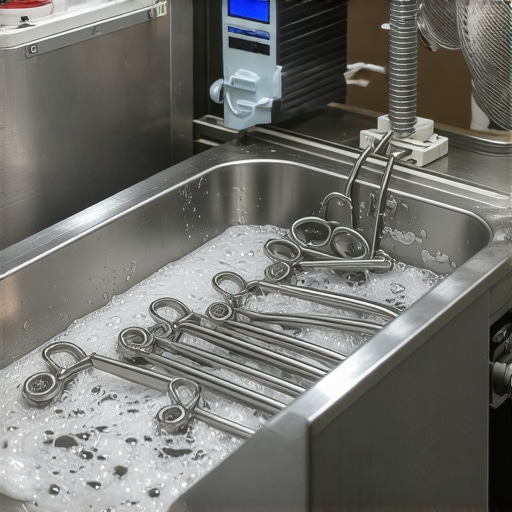
Tools like the tungsten carbide scissors are built for durability, but they still benefit from routine maintenance to sustain their performance. Using ultrasonic cleaning baths can remove debris and biofilms, especially advantageous for intricate instruments, while avoiding abrasive scrubbers prevents surface damage.
Scaling up maintenance practices for evolving healthcare needs
As your practice grows, so does the volume and diversity of supplies. Adopting modular storage solutions like stackable lab petri dishes or mobile carts can streamline your workflow and minimize contamination risks. For example, these stackable lab dishes allow easy organization and quick access, reducing turnaround times during busy hours. Similarly, integrating digital tracking systems for inventory management helps prevent shortages or overstocking, ultimately saving costs and ensuring essentials are always ready when needed.
Modern maintenance also involves leveraging software updates and firmware patches, especially for digital monitoring devices. Staying current with manufacturers’ recommendations guarantees compatibility, optimal performance, and compliance with evolving regulations.
Future trends in device maintenance likely include smart diagnostics
Emerging technologies such as IoT-enabled equipment will facilitate real-time health monitoring, preemptively signaling when devices need servicing or calibration. This proactive approach minimizes unexpected downtimes and enhances patient safety. For instance, some newer diagnostic devices can connect to cloud systems and schedule maintenance autonomously, reducing manual oversight.
Try this tip to boost your maintenance effectiveness
Implement the use of ultrasonic cleaning baths for your surgical instruments. This method reaches intricate surfaces and removes microscopic debris more effectively than manual cleaning, significantly extending the lifespan of your tools. For an extra edge, combine this with a regular inspection checklist to catch early signs of wear. Incorporating such proactive practices ensures your equipment remains reliable, safe, and ready to serve patients effectively over the long haul.
Lessons That Changed My Approach to Medical Equipment
One of the most valuable lessons I learned was the importance of context when choosing tools. Initially, I believed durability alone defined quality, but I soon realized the significance of matching the instrument’s design to the specific tissue or procedure. For instance, investing in tungsten carbide micro-dissection scissors transformed my dissection precision, underscoring that tailored tools elevate outcomes.
Another insight was the fallacy of assuming standards guarantee performance. Just because a device meets ISO or FDA certifications doesn’t mean it’s optimal for your environment. I once used standard scissors in a high-humidity setting, only to find rapid dulling—learned the hard way that environmental factors demand specific material considerations.
Finally, I discovered that maintenance routines are as crucial as initial selection. Implementing ultrasonic cleaning and scheduled inspections extended my tools’ lifespan and maintained their sharpness, directly impacting patient safety and data integrity. These personal revelations underscore the importance of deliberate choices and ongoing care in medical equipment management.
Tools That Have Shaped My Practice
My go-to resource for reliable surgical tools is surgical scissors with tungsten carbide edges. Their durability has consistently improved my dissection precision. For organizational needs, stackable lab dishes streamline sample handling, saving time and reducing contamination risk. When it comes to device maintenance, following manufacturer protocols and using ultrasonic cleaning baths keeps instruments in top shape, ensuring safety and accuracy. Lastly, I recommend exploring detailed guides on medical device standards to stay informed about evolving best practices.
Ignite Your Passion for Precision and Care
Remember, optimizing your use of medical equipment isn’t a one-time effort but a continuous journey. By thoughtfully selecting tools, maintaining them diligently, and staying informed about innovations, you elevate your practice to new heights of excellence. Your commitment to quality impacts not only outcomes but also the trust your patients place in you. Embrace these lessons, and let your dedication drive safer, more precise healthcare every day.