

Imagine this: I was in the middle of preparing a precise reagent mix when suddenly, the glass stopper of my 3 lab volumetric flask slipped. The liquid spilled, and I was left with a streak of frustration and a sinking feeling about the accuracy of my experiment. That moment made me realize how much I underestimated the importance of quality glass stoppers and proper technique. If you’ve ever faced a similar mishap, you’re not alone—and there’s a way to avoid these costly mistakes.
Why Proper Use of Volumetric Flasks Can Save Your Day
In the world of medical devices and laboratory work, precision isn’t just a luxury; it’s a necessity. Volumetric flasks with glass stoppers are tools that demand respect—they’re designed for accuracy, yet a simple mistake can compromise your results. Early on, I made the mistake of treating my flask as a passive container, ignoring the importance of sealing it properly for accurate measurements. That oversight almost led me to unreliable data and wasted resources. Since then, I’ve learned that understanding the nuances of these laboratory essentials is crucial for consistent outcomes.
Is Investing in Quality Glass Stoppers Really Necessary?
Many beginners worry about whether high-quality glass stoppers make a real difference. My answer is a resounding yes. Cheaper, poorly fitted stoppers can cause leakage, contamination, or inaccurate readings—costing you time and credibility. Recognizing this early mistake helped me switch to better options, and it’s a change I highly recommend. For an in-depth review of which products stand out, you might find this guide on lab equipment helpful. Proper sealing is essential to maintain the integrity of your samples, and investing in reliable glass stoppers is truly worth it.
So, do you often find yourself struggling with leaks or inaccurate measurements? If yes, you’re in the right place. Overcoming these issues starts with understanding the key features of your volumetric flask, and that’s exactly what we’ll dive into next—empowering you to work smarter, not harder.
Secure the Glass Stopper Properly
Start by inspecting your glass stopper before use. Grasp it firmly and insert it gently into the neck of the flask, rotating slightly to ensure a snug fit. During my first attempt, I overlooked the importance of gentle handling, which led to leaks. Now, I always check for proper engagement, preventing spills and ensuring accurate measurements.
Correct Technique for Filling the Flask
When measuring liquids, fill the flask just below the calibration line. Use a pipette or a dropper for adding liquids slowly, similar to precisely threading a needle. This prevents overfilling and ensures the liquid settles uniformly. I once rushed this step and ended up with air bubbles that skewed the volume reading, highlighting the importance of patience.
Seal and Mix Effectively
After filling, securely place the stopper, making sure it’s clean and dry to avoid contamination or leakage. Gentle inverting the flask a few times helps mix the solution thoroughly. Remember, a properly sealed flask acts like a sealed container in a hospital—preventing cross-contamination and maintaining integrity. I once forgot to dry the stopper, which caused a minor evaporation issue during storage.
Handle with Care During Transfer
When transferring fluids, support the flask with both hands—one on the base and one on the neck. Think of it as holding a delicate piece of glassware during surgery; steadiness prevents breakage and spills. I once dropped a flask during transfer, wasting valuable reagents. This experience underscored the need for secure handling at every step.
Regular Maintenance and Inspection
Ensure your glass stoppers and flasks are free from cracks or chips. Regularly clean and dry all parts to maintain optimal sealing. A cracked stopper can compromise your entire experiment, similar to a broken seal in a medical device system. Incorporate routine checks into your workflow to avoid unexpected failures, akin to routine sterilization procedures.
By adopting these precise handling techniques, you’ll minimize errors, reduce waste, and enhance the reliability of your results. Remember, in medical and laboratory work, attention to detail is paramount—every step counts.
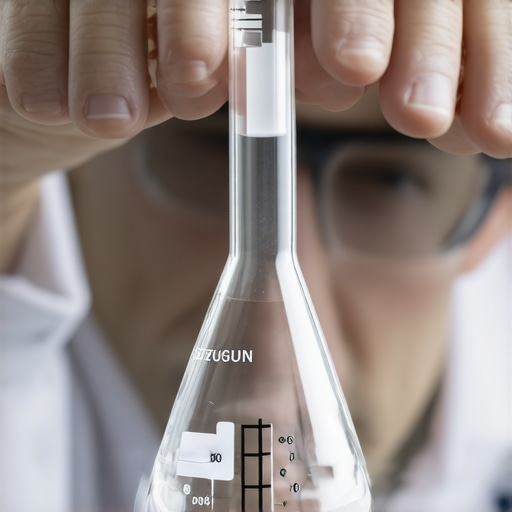
Many professionals in the healthcare field operate under common assumptions about medical devices that, upon closer inspection, reveal some surprising nuances. While it’s tempting to rely on popular beliefs, truly mastering medical equipment requires digging beyond surface-level knowledge. Let’s explore some prevalent myths and pitfalls that even experienced practitioners sometimes overlook, helping you elevate your expertise.
Why Believing That All Medical Devices Are Created Equal Could Be Dangerous
One widespread misconception is that all medical devices from reputable brands are equally reliable. In reality, device quality and performance can vary drastically even within the same category. For instance, Digital Weighing Scales with high precision are crucial in labs, but not all models deliver consistent accuracy over time—skipping routine calibration can lead to significant errors, affecting patient safety and research outcomes. As highlighted in a recent study, meticulous device maintenance extends lifespan and ensures measurement reliability, essential for data integrity.
Common Mistake: Ignoring Compatibility and Integration
Another mistake is assuming that new equipment seamlessly integrates into existing systems. This oversight can cause workflow disruptions. For example, wireless pulse oximeters designed for remote monitoring may face compatibility issues with hospital information systems if not properly vetted beforehand. Overlooking compatibility can lead to data silos, double work, or errors. Always verify device interoperability before purchase to avoid costly adjustments later. To explore recommended solutions, check out this guide on wireless monitoring devices.
Making Sense of Advanced Troubleshooting
For the advanced user, understanding the subtleties of device troubleshooting can be a game-changer. For instance, digital lab instruments like retort stands with heavy-duty bases sometimes exhibit calibration drift due to environmental factors such as temperature fluctuations. Recognizing these nuanced causes prevents misdiagnosis. Regularly scheduled maintenance and understanding device specifications, like the PTFE coating on lab stir bars, help prevent unexpected failures. Remember, mastering these details distinguishes an expert from a novice, ensuring consistent quality and safety in your work.
Have you ever fallen into this trap? Let me know in the comments. Staying aware of these hidden nuances can significantly improve your proficiency and confidence with medical devices. For a deeper dive into lab equipment that can enhance your precision, take a look at this detailed review of lab stir bars.

Keep Your Equipment Running Smoothly with the Right Tools
Maintaining medical equipment over time requires precision tools that ensure reliability and safety. One tool I rely on heavily is a high-quality digital calibration device, which helps me regularly verify the accuracy of scales like the digital weighing scales. This small investment has prevented countless measurement errors in my practice, prolonging device lifespan and safeguarding patient outcomes. Additionally, using specialized cleaning kits designed for delicate medical surfaces prevents contamination without risking damage. The combination of proper calibration and cleaning tools is essential for long-term device performance.
Implementing Routine Maintenance for Longevity
Establishing a regular maintenance schedule is key. For instance, I inspect all seals, hoses, and connections weekly, watching for cracks or wear that could lead to leaks or malfunctions. Scheduling preventive maintenance based on manufacturer recommendations, such as replacing filters or lubricating moving parts, helps avoid costly repairs down the line. Documenting each service encounter ensures accountability and provides a history for troubleshooting. Long-term results show that consistent upkeep reduces downtime and enhances the accuracy of diagnostic tools.
Scaling Up Your Medical Equipment
When expanding your facility or upgrading equipment, it’s crucial to choose scalable solutions. Modular systems, like adaptable patient monitoring carts, allow seamless integration of new sensors or software updates. For example, investing in robust wireless pulse oximeters—like the wireless oximeters for home use—enables scalability without extensive rewiring or training. Planning for future growth ensures your equipment remains relevant, saving costs and avoiding obsolescence.
How Do I Maintain Equipment Effectively Over Time?
Developing a standard operating procedure (SOP) for maintenance can drastically improve device longevity. Schedule weekly inspections, monthly calibrations, and quarterly deep cleans. Using a checklist tailored to each device type helps maintain consistency. Incorporating software alerts for calibration deadlines and parts replacement, as seen with advanced medical monitoring systems, ensures you stay proactive. Regular training for staff on proper handling and troubleshooting minimizes human error, keeping your equipment functioning optimally for years. As technology advances, staying updated with manufacturer guidelines and industry best practices is vital to keep your tools performing at their best. Feel free to try out a comprehensive maintenance checklist for your devices—it’s a proven way to ensure reliability and safety in your medical practice.
What the Hardest Lessons About Medical Devices Taught Me
One of the most profound insights I gained was the importance of attention to detail—overlooking small steps like properly sealing a flask can lead to significant errors. These mistakes underline that mastery isn’t just about knowing the equipment but understanding how each component interacts in real-world scenarios.
Why I Stopped Relying on My Assumptions About Equipment
Initially, I believed that high-end devices would perform flawlessly without routine checks. That false confidence almost compromised patient safety and data accuracy. Regular calibration and maintenance became non-negotiable lessons, reminding me that even the best tools need vigilant oversight.
How Personal Experience Changed My Approach to Medical Supplies
Experiencing a critical spill due to poor handling made me realize that technique is just as vital as the equipment itself. Proper training and a conscious approach transform routine procedures into dependable routines, ensuring long-term reliability and safety.
Why Investing in Quality Glass Stoppers Transformed My Lab Practices
Upgrading to premium glass stoppers eliminated leaks and contamination issues, saving time and resources. This small but impactful step taught me that quality tools often pay for themselves through improved outcomes and peace of mind.
How Sharing Knowledge Elevated My Confidence in Medical Equipment Maintenance
Discussing lessons learned with colleagues fostered a culture of continuous improvement. Collective awareness about device care and handling reduces mistakes and enhances team trust, ultimately leading to better patient care.
Discover Tools That Changed How I Manage Equipment
Tools like the digital weighing scales and lab test tube racks have been game-changers. They offer precision and convenience, reinforcing the importance of choosing reliable tools for consistent results.
Your Turn to Try: Elevate Your Lab Confidence
In the end, the journey to mastery in medical equipment handling is ongoing. Embrace continuous learning, invest in quality, and share your experiences. Every small step contributes to safer, more reliable healthcare environments.
Have you ever faced a mishap that taught you a crucial lesson? Share your story below; I’d love to hear how it changed your approach.