
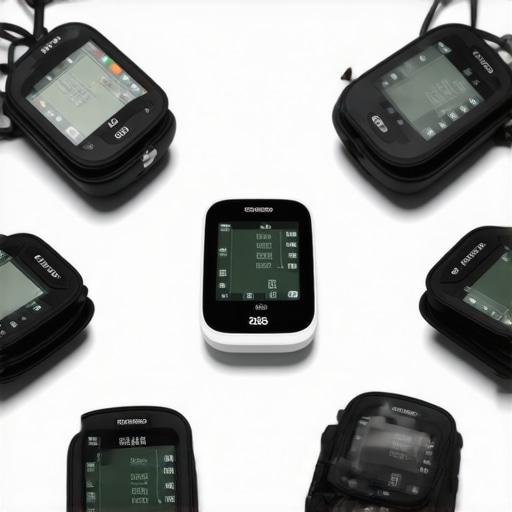
It was a typical Tuesday morning when I realized I had been overlooking a small yet vital part of my health routine—monitoring my blood pressure regularly. Despite having multiple home medical devices, I often deferred the task, thinking it was too cumbersome or irrelevant. That day, I felt a slight dizziness and a pounding headache, like my body was hinting at something more serious. That lightbulb moment hit hard. If I had trusted my blood pressure readings early on, maybe I could have avoided that uneasy feeling entirely.
How a Simple Device Transformed My Health View
But here’s the thing—I knew I wasn’t alone. Plenty of folks face the same struggle: how to keep blood pressure tracking easy, accurate, and stress-free at home, especially with so many gadgets vying for attention. Over the past year, I dived into the world of digital blood pressure monitors, especially the latest models slated for 2026, and what I found might surprise you. A high-quality digital monitor isn’t just a gadget—it’s a health companion that could genuinely change how you manage your well-being.
Is Blood Pressure Monitoring Worth the Hype?
I admit, I was skeptical at first. Early on, I made a mistake: I relied on a generic monitor that didn’t fit well, giving inconsistent readings. That skepticism was justified until I realized the importance of investing in a device with proper cuff size, calibration, and user-friendly features. When I upgraded to a top-rated model, I saw a marked difference—more reliable readings, easier operation, and peace of mind.
Research supports this shift—studies show that home monitoring can improve blood pressure control and even reduce related health risks (source: American Heart Association). So, if you’ve been putting off getting a monitor because you doubt their accuracy or usefulness, I get it. I was there too.
What’s next? Well, I’ll walk you through how to pick a monitor that truly fits your lifestyle, including details on features, usability, and affordability—plus, how to avoid common pitfalls. Ready to make a smart choice? Let’s get started.
Pick the Right Device for Your Needs
Begin by assessing your lifestyle and health priorities. For example, if you need mobility, opt for a compact, portable monitor with Bluetooth capabilities, like those detailed [here](https://medicaldeviceinsight.com/5-bluetooth-blood-pressure-cuffs-for-2026-rehab). Consider features like cuff size, memory storage, and reading accuracy. Once you’ve identified your needs, avoid common pitfalls such as choosing a device solely based on price; invest in reputable brands known for calibration and reliability.
Ensure Proper Cuff Fit and Placement
Proper cuff fit is crucial for accurate readings. Think of the cuff as a belt—you want it snug but not tight enough to cause discomfort. When measuring, sit comfortably with your back supported, legs uncrossed, and arm at heart level. Wrap the cuff evenly around your upper arm, ensuring it’s positioned about an inch above the elbow. Take a few practice readings to confirm consistency. Remember, inconsistent cuff placement leads to unreliable data, so developing a routine is key.
Calibrate and Maintain Your Monitor
Regular calibration guarantees your monitor remains accurate over time, similar to tuning a musical instrument. Check your device against readings taken by a healthcare professional periodically. If discrepancies appear, consult the manufacturer’s instructions or contact customer support. Keep your device clean—use a soft, damp cloth to wipe the cuff and monitor, avoiding harsh chemicals that can damage sensitive components. Devices with antimicrobial covers, like those described [here](https://medicaldeviceinsight.com/9-anti-microbial-patient-gowns-for-2026-er-use), can reduce contamination risks during routine cleaning.
Record and Analyze Your Readings
Maintain a log of your measurements, noting date, time, and any relevant circumstances, such as medication intake or stress levels. Digital monitors with memory functions simplify this task; many can sync with mobile apps for better tracking. Consistent documentation helps identify patterns and triggers. When reviewing data, look for significant fluctuations and share this information with your healthcare provider for tailored advice.
Implement Routine Checks Into Your Daily Life
Establish a consistent schedule—preferably morning and evening—to monitor your blood pressure. Use visual cues like setting alarms or placing your monitor on a frequently used shelf. If you experience unexpected high readings, don’t panic; instead, repeat the test after a few minutes or move to a quiet setting. For those with mobility or dexterity challenges, consider devices with ergonomic designs or large displays, which make operation easier and readings clearer. Remember, routine use turns monitoring from a daunting task into a straightforward part of your health management.
Many assume that all medical supplies and equipment are created equal, but in reality, misconceptions about their use, quality, and purpose can have serious consequences. A prevalent myth is that cheaper medical devices are just as reliable as pricier, branded options; however, this oversimplifies the importance of calibration, accuracy, and compliance with standards. Investing in high-quality equipment, such as those featured [here](https://medicaldeviceinsight.com/6-mobile-vital-signs-carts-with-thermal-printers), ensures both safety and effectiveness, especially in critical settings.
One overlooked nuance is the significance of proper maintenance and calibration routines. Many healthcare practitioners underestimate how quickly even slight deviations in device accuracy can compromise patient care. Regular calibration against standardized benchmarks isn’t just recommended—it’s essential. A study published in the Journal of Medical Devices emphasizes that neglecting calibration can lead to skewed readings, resulting in misdiagnosis or improper treatment decisions.
A common trap is relying solely on device features without understanding their limitations. For example, portable ultrasound scanners provide flexibility but require operator expertise and awareness of their sensitivity thresholds, which can vary between models as detailed [here](https://medicaldeviceinsight.com/3-portable-ultrasound-scanners-for-2026-vet-med).
What about the advanced question of material durability? Health professionals often overlook how the quality of components, like antimicrobial coatings in surgical gowns, impacts both safety and longevity. Using inferior materials, such as non-sterile or poorly sourced supplies, increases infection risks. For instance, choosing [anti-microbial surgical gowns](https://medicaldeviceinsight.com/9-anti-microbial-surgical-gowns-for-2026-o-r-s) made with subpar fabrics may compromise barrier protection over time.
Let’s challenge the misconception that all medical devices are straightforward tools. In fact, understanding the complexities—like regulatory standards, calibration needs, and material science—is crucial for making informed choices. The pitfalls become clear when overlooked nuances lead to compromised outcomes. As you navigate your medical supplies and device selection, remember that quality, maintenance, and detailed knowledge are your best allies.
Have you ever fallen into this trap? Let me know in the comments.
Tools I Recommend for Reliable Medical Equipment Maintenance
Maintaining precision and functionality in medical devices requires investing in specialized tools and adopting consistent routines. One of my go-to tools is a high-quality calibration device that ensures accuracy, especially for critical equipment like blood pressure monitors and ultrasound scanners. Regular calibration not only guarantees accurate readings but also extends the longevity of your devices, reducing costly replacements or repairs over time.
For example, I rely on a portable calibration kit designed specifically for digital blood pressure cuffs. This kit allows me to verify device accuracy easily in-house, preventing drift that can compromise patient care. Calibration routines should be performed at least quarterly, or more frequently if the equipment is used heavily or exposed to harsh conditions. Referencing standards from authoritative sources like the ISO 81060-2 helps guarantee compliance with quality benchmarks.
Cleaning and maintenance are equally important. I recommend antimicrobial wipes compatible with sensitive device surfaces, such as those detailed here. Regular cleaning prevents contamination and material degradation. Additionally, storing equipment in dedicated, climate-controlled cabinets minimizes exposure to humidity or dust, prolonging device lifespan and ensuring ready availability when needed.
How do I keep my medical equipment functioning optimally over time?
Implement a routine maintenance schedule that includes calibration, cleaning, and proper storage. Keep detailed logs of all maintenance activities to track device performance and schedule timely recalibrations. Stay informed about manufacturer updates and software patches—these can be critical for maintaining device functionality and security. Using tools like wireless diagnostic interfaces or proprietary software from equipment manufacturers can help perform remote diagnostics and updates efficiently.
Looking ahead, advancements in automation and AI-driven diagnostics promise to simplify maintenance further. In the near future, I predict that smart sensors embedded within equipment will continuously monitor performance, alerting staff to potential issues before they impact service quality.
Try out a calibration routine today using a trusted device to see how it boosts your confidence in ongoing maintenance. Remember, proactive care doesn’t just preserve your equipment—it directly benefits patient safety and operational efficiency.
Investing in proper tools and adhering to maintenance schedules is essential for anyone responsible for medical supplies and devices. By prioritizing precision and cleanliness, you can ensure their long-term reliability and readiness. The key is consistency and staying informed about the latest standards and technologies. Your commitment today will pay dividends in quality care tomorrow.
What I Wish I Knew About Equipment Durability Early On
One of the most enlightening lessons I learned was the importance of material quality. Initially, I overlooked the significance of antimicrobial coatings on surgical gowns, believing all fabrics offered similar protection. That misconception nearly led to contamination risks. Realizing the difference that high-quality, well-designed materials make has profoundly shaped my choices and underscored the value of investing in reputed brands for safety and longevity.
How Small Tweaks Can Elevate Your Medical Equipment Care
Simple routines, like regular calibration checks using dedicated tools, can drastically improve device accuracy. I discovered that maintaining detailed logs of maintenance activities not only extended equipment lifespan but also built confidence during audits. These small, consistent efforts are the unsung heroes of reliable medical device management, often overlooked but vital for ensuring continual optimal performance.
The Unexpected Power of Routine in Health Tech Management
Consistency in checking and cleaning devices—particularly digital blood pressure monitors—transforms them from potential pitfalls into trusted health allies. My lightbulb moment was realizing that establishing a set schedule turns a cumbersome chore into an effortless habit that offers peace of mind and accurate data. Embracing routine doesn’t just make sense; it saves lives.
Curated Resources for Deepening Your Medical Equipment Knowledge
For anyone serious about maintaining and understanding medical devices, I recommend exploring trusted platforms like Medical Device Insight. Their detailed reviews and industry updates have been invaluable in helping me select quality tools and stay current with standards. Additionally, the ISO 81060-2 standard offers a comprehensive benchmark for device calibration that everyone involved in medical device management should know.
How Taking Action Today Paves the Way for Safer Healthcare
Your next step could be the most impactful—whether it’s scheduling a calibration routine, investing in a high-quality monitor, or simply committing to regular maintenance. Remember, proactive efforts today lay the foundation for safer, more reliable patient care tomorrow. Health tech isn’t just about gadgets; it’s about trust, safety, and making a genuine difference in lives. Are you ready to empower your equipment management practices and make a lasting change? Share your experiences below—what’s the one step you plan to take now?