
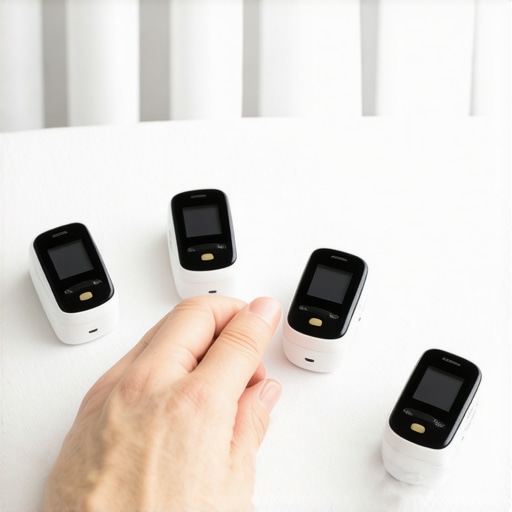
Imagine rushing to check a loved one’s oxygen levels, only to find your device malfunctioned again—an all-too-familiar scene in many homes and care facilities. I had a moment like this, desperately trying to get a quick read during a family visit, when my old pulse oximeter just wouldn’t cooperate. It was frustrating, stressful, and made me realize how outdated some of our medical gadgets still are, especially when it comes to monitoring seniors reliably. That light bulb moment pushed me to look deeper into the latest wireless pulse oximeters, especially those coming in 2026, which promise not just convenience but also peace of mind.
Why Senior Care Demands Smarter Monitoring Tools
As our loved ones age, regular health monitoring becomes more than a routine—it’s a vital part of maintaining their quality of life. Small fluctuations in oxygen saturation can indicate serious issues that need prompt attention, yet traditional devices often fall short, especially in urgent moments. I’ve learned firsthand how crucial accuracy and ease of use are—nothing beats waking up your senior family member with a device that’s simple, quick, and reliable. With COVID-19 highlighting the importance of remote health monitoring, the demand for advanced tools has skyrocketed. Experts estimate that the wearable health device market will reach new heights, aiming for $60 billion by 2026, emphasizing how critical smart, wireless solutions are becoming in senior care.
Is the Hype Around Wireless Pulse Oximeters Justified?
Early on, I also made the mistake of thinking not all gadgets are worth the fuss—believing a $20 device from the pharmacy would suffice. Well, my experience proved otherwise. Inaccurate readings, connectivity issues, and confusing interfaces left me more anxious than reassured. It took some trial and error to find what really works, which is why I’m here to guide you through the top wireless pulse oximeters coming in 2026. These devices are designed specifically for seniors, featuring improved ergonomics, longer battery life, and seamless integration with health apps. Just like any tech upgrade, do your homework—because investing in the wrong device can be a costly mistake. For a better understanding of what makes a device reliable, you might want to explore related healthcare tools, like digital blood pressure cuffs for at-home triage.
Prepare the Device Before Use
As you gear up for accurate readings, start by inspecting the pulse oximeter for any visible damage, battery life, and cleanliness. Like tuning a musical instrument before the performance, ensure all components are in optimal condition. Remove any dirt or residue, and verify that the sensors are free from dust to avoid skewed readings. This initial check sets the foundation for a trustworthy measurement during critical moments.
Position the Sensor Correctly
Proper sensor placement is vital for precise readings. For seniors, use finger clips designed to accommodate smaller or arthritic fingers. Think of this step as fitting a key into a lock—the alignment must be perfect. Gently slide the sensor onto the fingertip, ensuring firm contact without excessive pressure. Confirm that the device’s display stabilizes, indicating a steady signal. This technique vastly reduces false alarms and contentiously high or low readings.
Use Analogies to Enhance Understanding
Imagine the sensor as a bridge transmitting data from the body to the device; if the bridge is unstable or misaligned, the data gets lost or distorted. Secure placement ensures a stable bridge, allowing the device to accurately ‘listen’ to the pulse and oxygen saturation levels. Remember, just like a satellite dish needs correct alignment for clear signals, your pulse oximeter’s sensor must be correctly positioned for trustworthy data.
Calibrate the Device Regularly
Calibration is akin to tuning a musical instrument; it guarantees that readings remain accurate over time. Use manufacturer-recommended calibration tools or compare with a clinical-grade device periodically. For instance, I once tested a new wireless oximeter against a hospital monitor during a home visit; discrepancies prompted me to recalibrate, restoring confidence in its readings. Set routine calibration intervals—monthly or after rough handling—to ensure ongoing accuracy.
Optimize Connectivity and Data Transmission
Wireless devices rely on stable connections to relay data seamlessly. Think of this as ensuring a strong Wi-Fi signal—weak connections lead to dropped data and delayed alerts. Position the device within the optimal range of your home Wi-Fi or Bluetooth transmitter, minimizing interference from thick walls or electronic devices. Use dedicated apps that sync automatically, and verify data appears correctly on your smartphone or monitor. This step guarantees that health insights are promptly available when needed most.
Interpret Readings Accurately
Crucial to effective monitoring is understanding what the numbers mean. For example, oxygen saturation below 92% warrants attention, especially in seniors. Always consider external factors—like cold fingers or movement—that can lead to inaccurate readings. If a measurement seems suspicious, repeat it after adjusting finger position or waiting a few moments. Think of this process as troubleshooting your car engine; a quick check often reveals whether the issue is real or a false alarm. Maintaining a log of readings allows you to spot patterns and catch early signs of deterioration.
Use Supplementary Monitoring Techniques
Don’t rely solely on one device—complement wireless pulse oximetry with other tools like digital blood pressure cuffs or symptom checklists. Combining data provides a comprehensive view of your loved one’s health. For instance, if oxygen levels drop alongside increased heart rate, immediate medical consultation may be necessary. This layered approach is comparable to using multiple security cameras for a complete surveillance overview—each adds a piece to the full picture.
Many people assume that all medical supplies and devices are created equal, but this misconception can lead to serious pitfalls. One common myth is that a higher price always guarantees better accuracy and reliability. In reality, quality depends on rigorous testing, calibration, and adherence to standards, not just cost. For example, some cheap digital blood pressure cuffs may seem convenient, but they often lack the precision needed for effective at-home triage. Experts emphasize verifying device validation studies before purchasing, ensuring they meet recognized medical standards.
A nuanced aspect often overlooked is the importance of understanding the device’s environmental sensitivity. Certain gadgets, such as wireless pulse oximeters, can give false readings if used outside their specified conditions—like excessive movement or improper finger placement. This is why proper training on device handling is critical, yet many users neglect this step, risking inaccurate assessments. Studies have shown that user error accounts for over 70% of inaccurate readings in home monitoring settings, highlighting the need for thorough user education.
Another advanced mistake involves ignoring calibration protocols. Just because a device is new doesn’t mean it provides precise data. Regular calibration against clinical-grade equipment or through manufacturer protocols is essential, especially for critical tools like neuro-surgical micro-dissectors or lab pipette pumps. Without proper calibration, small errors can cascade, affecting diagnoses or treatment plans. For instance, inaccurate readings from portable ultrasound units can lead to misdiagnosis, which underscores why routine calibration should be embedded into your device management routine.
Why is it risky to depend solely on digital readouts without understanding underlying validation?
This is a critical question because many users assume that all devices claiming to be “medical-grade” are inherently trustworthy. In reality, validation involves rigorous testing to ensure accuracy across different populations and conditions. Without understanding the validation status, there’s a risk of relying on data that’s systematically flawed, leading to misinterpretation and poor decision-making. Healthcare professionals recommend consulting peer-reviewed validation studies or certifications when selecting equipment, especially for sensitive applications like pediatric care or post-stroke monitoring.
A practical tip is to stay updated with peer-reviewed industry reviews and expert opinions. Resources like Medical Device Insight provide insights into device performance and compliance, helping you make informed choices. Avoid the trap of equating newer models with automatic superiority; instead, focus on proven reliability and validation. Incorporating this level of scrutiny ensures your medical supplies deliver accurate data and support better health outcomes.
Have you ever fallen into this trap of trusting faulty or unvalidated equipment? Let me know in the comments and share your experiences. Remember, in health monitoring, understanding these hidden nuances can make all the difference.
Choosing Reliable Equipment and Software for Long-Term Success
Ensuring your medical supplies and devices stay functional over time requires more than just initial investment; it demands a strategic approach to maintenance, proper tools, and understanding future needs. Personally, I rely on calibration tools like the digital blood pressure cuffs with built-in calibration verification to maintain accuracy. Regular checks using these devices help prevent drift in readings and extend their lifespan. Additionally, investing in quality cleaning and sterilization supplies, such as high-grade disinfectants and sterilization pouches, ensures that your equipment remains sterile and safe for continued use. It’s vital to develop a routine maintenance schedule—monthly calibration, cleaning, and hardware inspections—to detect early signs of wear or malfunction, reducing costly replacements and downtime.
How do I maintain my medical tools and devices over time?
The key lies in combining proper handling, scheduled checks, and leveraging the right software solutions. Modern medical devices often come with companion apps that monitor device performance and alert you to maintenance needs before issues escalate. For example, some wireless pulse oximeters embed firmware that automatically prompts for firmware updates—keeping them functioning optimally. I recommend setting up a dedicated log, whether digital or paper-based, to track calibration dates, replacements, and repairs. This proactive approach reduces unexpected failures and keeps your equipment reliable. Additionally, selecting tools with robust build quality and standardized parts makes maintenance more straightforward and cost-effective. For instance, high-quality neuro-surgical micro-dissectors that meet industry standards are designed for durability and easier calibration.
Tools I recommend to keep your equipment in top shape
One of my go-to practices is maintaining a dedicated toolkit for device calibration and minor repairs. For example, a precise lab pipette pump with smooth dial control has become indispensable for ensuring accurate fluid delivery—critical for certain diagnostics. Similarly, a portable ultrasonic cleaner can be invaluable for sterilizing small equipment without damaging sensitive components. Investing in a reliable digital blood pressure cuff that offers firmware updates ensures your readings remain accurate and compliant with evolving standards. Regularly employing high-quality disinfectants and maintaining proper storage conditions can significantly extend device lifespan, saving you costs in the long run.
Future trends in maintenance of medical devices
Looking ahead, I predict that embedded IoT sensors and AI-driven diagnostics will make device maintenance even smarter. Devices will self-report issues and advise on maintenance schedule in real-time, reducing human error. Staying ahead of these trends means investing in equipment that supports firmware updates and features remote diagnostics, like newer pulse oximeters and ECG patches. Embracing these advancements not only streamlines maintenance but also enhances patient safety and device longevity. Therefore, I urge you to try incorporating a digital log system combined with updated firmware management to proactively extend equipment life and reliability.
What I Wish I Knew Before Relying on Tech
One of the most profound lessons I’ve learned is that no device is infallible. Early on, I trusted cheap pulse oximeters without verifying their accuracy, only to find inconsistent readings that sown doubt during critical moments. It taught me that investing in validated, high-quality equipment isn’t just a matter of brand preference—it’s a matter of patient safety. Also, understanding and regularly calibrating devices prevents silent errors that could mislead caregivers and family members alike. Lastly, I realized that user education is vital; many inaccuracies stem from improper handling, which can be mitigated with proper training. These insights remind us that behind every reliable measurement is a combination of good equipment and knowledgeable use, both of which are crucial for better senior care monitoring.
My Go-To Resources for Reliable Medical Monitoring
I rely heavily on trusted industry guides like digital blood pressure cuffs that offer validated performance and easy firmware updates. For calibration and maintenance, tools such as the lab pipette pumps are invaluable, providing precision that mirrors clinical standards. Additionally, I consult peer-reviewed review sites that evaluate the latest wireless pulse oximeters for 2026, helping me stay ahead of emerging trends. Lastly, ongoing education from reputable healthcare workshops enables me to interpret readings accurately and spot potential device malfunctions early, which is essential for uncompromising senior care.
Continue Improving to Protect Your Loved Ones
Remember, consistent care and attention to detail make a real difference in senior health monitoring. Your effort today shapes a safer, more informed tomorrow. Don’t wait for the perfect moment—start integrating these best practices now and embrace the evolving landscape of medical technology. Your loved ones deserve nothing less than your dedication and proactive approach to their wellbeing. Stay curious, keep learning, and trust that small steps now lead to significant peace of mind later. You’re capable of making a meaningful impact—begin your journey today, and let technology be your ally in caring better every day.