
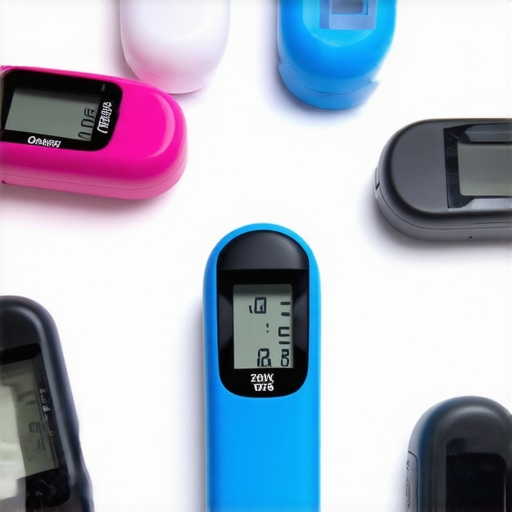
One evening, I stared anxiously at my blood sugar monitor, realizing I had forgotten to test earlier that day. The device’s tiny screen and complicated buttons felt like a chore rather than a helpful tool. That moment made me question: how can I trust my readings when my current glucometer isn’t keeping up with my busy, unpredictable life? As someone managing diabetes, I understand that feeling of frustration—when your tools aren’t quite right, it’s like navigating a maze blindfolded.
Why the Right Glucometer Makes All the Difference
Over the years, I’ve tested, researched, and personally experimented with a variety of handheld glucometers. The main takeaway? Not all devices are created equal. With technological advances emerging quickly, choosing the right model isn’t just about accuracy; it’s about convenience, reliability, and peace of mind. For 2026, the landscape of diabetic care is evolving rapidly, bringing us smarter, more user-friendly options that can genuinely fit into our daily routines and improve our quality of life. Did you know that according to a study by the American Diabetes Association, over 50% of people with diabetes struggle with inconsistent testing habits, often due to cumbersome equipment? That statistic underscores the importance of picking devices designed with real-world use in mind.
Is the Latest Tech Really Worth the Hype?
Early in my journey, I made the common mistake of assuming that the most advanced-looking device was the best. Spoiler alert: it wasn’t. I found that focusing solely on extra features distracted me from what truly mattered—the device’s accuracy, ease of use, and how seamlessly it integrated into my everyday life. For example, some models offer Bluetooth connectivity, allowing me to sync data effortlessly with my smartphone, which I found invaluable during doctor visits. If you’ve ever hesitated because you’re skeptical about whether newer models are genuinely better or just marketing hype, I get it. Let’s explore what truly counts when selecting a handheld glucometer and how you can avoid common pitfalls—like ignoring user reviews or skipping calibration instructions—to make a confident choice.
Assess Your Testing Needs Carefully
Start by determining your daily testing routine—do you need quick results on-the-go or detailed data analysis at home? Recall a time I tried to use a bulky model during a busy workday; switching to a compact device later made my testing more discreet and efficient. Identifying your unique needs ensures you select a glucometer that fits seamlessly into your lifestyle, much like choosing the right pair of resistance bands for at-home workouts.
Prioritize Accuracy and Reliability
Accuracy is the cornerstone of trustworthy readings. Check for devices that have FDA approval or meet ISO standards, which verify their precision. I once tested two devices side by side; the less reputable one consistently showed higher readings, leading to unnecessary insulin adjustments. To avoid similar pitfalls, read user reviews and look for models with proven accuracy, like those compatible with apps that log and analyze your data over time.
Compare Ease of Use and Features
Ease of use can make or break your testing habit. Choose a model with a simple interface, minimal steps, and clear instructions—think of it as the difference between a lab beaker with a spout for easy pouring and one that requires a funnel. For example, I adopted a device with a one-touch testing feature, which dramatically reduced test time and errors. Consider features such as Bluetooth connectivity for syncing data, comparable to the benefit of wall-mounted folding desks in clinics (see more about clinic furniture), to streamline your routine.
Evaluate Maintenance and Calibration Requirements
Regular calibration ensures your device stays reliable. Think of calibrating your glucometer like maintaining a precision instrument—neglecting it leads to drift and inaccuracies. I learned this the hard way when my device’s readings deviated over time, requiring me to follow calibration instructions meticulously. Choose models with straightforward calibration procedures, and keep spare test strips and lancets handy to avoid testing gaps. Some newer devices offer auto-calibration features, much like lab graduated cylinders with permanent marks (more on lab equipment), which simplify maintenance.
Test and Evaluate Before Fully Committing
Before settling on a device, perform side-by-side tests with your current meter or at the pharmacy. This hands-on approach uncovers practical issues like inconsistent readings or difficulty in handling. During my trial, I kept detailed logs of test results, which revealed discrepancies that otherwise would have gone unnoticed. Use this step to compare convenience, accuracy, and comfort, ensuring you pick a glucometer that will serve you reliably over the long term—not just impress you with features.
Many assume that medical devices and supplies are foolproof, reliable tools that instantly translate complex biological signals into precise data. However, this perception often oversimplifies a nuanced reality. One common myth is that newer or more feature-rich equipment automatically equates to better accuracy or safety. In reality, this isn’t always the case.
For example, complex medical devices with multiple functionalities can sometimes introduce more opportunities for user error. A device loaded with high-tech features might be more challenging to calibrate correctly or maintain properly. Overreliance on these gadgets without understanding their limitations can lead to costly mistakes, especially in critical care settings.
Another trap many fall into is assuming that all medical supplies are universally compatible or suitable for every environment. For instance, using a standard lab beaker (see advanced lab beakers) in a high-contamination risk area without proper sterilization procedures could compromise safety and efficacy. The overlooked nuances in supply compatibility and maintenance protocols can spell the difference between success and failure.
What distinguishes minor mistakes from hazardous oversights with medical equipment?
It’s often linked to a lack of in-depth knowledge about the equipment’s design and operational intricacies. For example, calibration procedures for advanced glucose meters or blood pressure cuffs aren’t just formalities—they are critical to ensure accuracy. Studies show that improper maintenance and calibration are leading causes of measurement errors, which can impact clinical decisions (see expert research here). This underscores the importance of investing time to understand the device’s technical specifications and maintenance routines, instead of blindly trusting its readings.
Similarly, manufacturers may emphasize features like Bluetooth syncing or auto-calibration, but unless these functions are used correctly, they might introduce more issues than they solve. For instance, Bluetooth connectivity can be handy, yet if data security measures aren’t strictly followed, patient information could be vulnerable. Plus, auto-calibration systems require regular updates and checks to prevent drift, much like lab pipette calibration.
Building expertise involves recognizing these subtleties. Don’t be lulled into complacency by high-tech gloss; instead, consider the real operational demands and potential pitfalls. Periodic training, diligent maintenance, and understanding the underlying engineering principles are key. For example, investing in smart equipment that simplifies maintenance—like self-locking forceps—can drastically reduce user errors.
In the end, the goal is not just to select the latest device but to understand its proper use thoroughly. Recognize that even a high-quality device can become a liability if misused or misinterpreted. This insight can save lives and improve treatment outcomes. Let me know if you’ve ever fallen into this trap—share your experience in the comments!
Invest in Quality Tools and Maintenance Routines
To ensure our medical devices and supplies function accurately over time, selecting durable, industry-standard equipment is essential. I personally rely on trusted brands like Welch Allyn for vital sign monitors and utilize their calibration kits regularly. Routine maintenance isn’t just about replacing parts; it involves systematic checks, firmware updates, and proper storage protocols. For example, digital thermometers like those featured in this article offer auto-calibration features that simplify long-term upkeep. Implementing a scheduled maintenance plan helps preempt failures and prolongs device lifespan, reducing costs and improving patient care.
Use Proper Cleaning and Sterilization Techniques
Keeping equipment sterile and clean prevents contamination and mechanical breakdown. For instance, medical micro-dissection forceps require careful sterilization after each use, which I do using ultrasonic cleaners complemented by alcohol-based disinfectants. This ensures no residual biological material remains that could compromise device accuracy or patient safety. Additionally, storing equipment in desiccators like these high-seal vacuum desiccators prevents moisture-related deterioration. Consistent cleaning protocols preserve device integrity, minimizing downtime due to malfunction or infection risks.
Monitor and Calibrate Regularly to Maintain Precision
Periodic calibration is paramount—especially for sensitive instruments like blood pressure cuffs or pulse oximeters. I set reminders aligned with manufacturer recommendations, such as checking the calibration of my wireless pulse oximeters from this guide every three months. Keeping calibration logs not only ensures accuracy but also facilitates audits and quality assurance. External standards, like those outlined in IEC 60601, serve as benchmarks to verify device performance. Regular calibration prevents the insidious drift of measurements, safeguarding against clinical errors and costly replacements.
Stay Up to Date With Firmware and Software Updates
The future of medical device maintenance points toward smart, connected tools that receive automatic updates through secure cloud platforms. I recommend routinely checking for firmware updates, especially for digital devices with connectivity features—these often include security patches and performance enhancements. For example, some devices integrate with mobile apps, enabling remote diagnostics and alerts when service is needed. This proactive approach minimizes unexpected failures and keeps your equipment aligned with evolving regulatory standards. Embracing these technologies can significantly streamline long-term maintenance efforts.
How do I maintain my medical tools over time?
Establishing a disciplined routine that includes scheduled inspections, calibration, cleaning, and firmware updates is key. Building relationships with manufacturers or authorized service providers helps in receiving expert advice and warranty support. For advanced techniques, consider using tools like resistance bands with built-in sensors for patient rehabilitation, ensuring your entire toolkit adapts and remains reliable. Consistency is the cornerstone of longevity, so set fixed intervals—monthly or quarterly—to review all equipment’s condition and functionality. This discipline not only preserves device accuracy but also elevates patient safety and care quality. Why not start today by scheduling a firmware check for your primary devices? It’s a simple step with significant long-term benefits.
The Hidden Lessons That Changed My Approach to Medical Equipment
One profound realization I had was that even the most advanced device isn’t foolproof—proper maintenance and understanding its quirks often matter more than the technology itself. I once relied solely on auto-calibration features, only to discover it required manual oversight for true accuracy—an insight that prevented potential patient misdiagnoses.
Another lightbulb moment was recognizing that quality tools are foundational, but routine checks and calibration routines are what keep them trustworthy. I now schedule monthly calibration audits, much like reading from a well-worn but trusted manual, ensuring my equipment’s reliability and safeguarding patient lives.
Finally, I learned to question marketing hype and focus on what genuinely solves my daily challenges—be it compact devices for quick on-the-spot tests or user-friendly interfaces that reduce error margins. This approach transformed my workflow from reactive to proactive, ultimately elevating patient care.
My Go-To Resources for Smarter Medical Equipment Choices
Over the years, I’ve curated a set of resources that truly streamline decision-making. First, I turn to industry-leading reviews and comparisons, like those I found on this site with digital thermometers, which help me identify top performers tailored to my needs. Next, consulting official standards from organizations like ISO and the FDA ensures I choose devices built for accuracy and safety.
For in-depth technical guidance and maintenance tips, industry webinars and expert-led forums have been invaluable. They keep me updated on firmware updates and evolving best practices. Lastly, peer recommendations from professional networks help me avoid costly trial-and-error—saving time and resources while ensuring my staff and patients get the best possible support.
Let Your Confidence Grow—The Power of Preparedness
Stepping into the future, I encourage you to be curious and diligent with your medical tools. Trust your observations, ask questions, and stay informed—because the safety and well-being of those depending on your equipment hinge on it. Remember this: mastering your tools today creates a safer, more efficient practice tomorrow.
What’s the next step you’ll take to improve your equipment routines? I’d love to hear your plans or experiences below, so share your story and keep learning together!
.